
Bali is not a typical construction market. Villas hide behind rice fields. Boutique hotels sit deep inside small villages. Many project sites connect to the main road through narrow, winding access roads. For contractors and new investors, concrete delivery often becomes the first real headache. Large trucks struggle to enter. Manual mixing wastes time and labor. As a result, many builders ask a very practical question: can a concrete mixer with pump for sale really work efficiently on narrow access roads in Bali?
The short answer is yes. However, the result depends on the right machine choice, the right planning, and a clear understanding of Bali’s construction reality. Let’s break it down from a customer and contractor point of view.
Why Narrow Access Roads Are a Real Challenge in Bali
Before choosing equipment, it helps to understand the problem clearly. In Bali, access roads are often less than 3 meters wide. Sharp turns appear without warning. Overhead cables and trees limit height. At the same time, villa and resort projects still demand stable concrete quality and steady output.
Because of this, traditional solutions start to fail. Ready-mix trucks cannot reach the site. Small mixers produce uneven concrete. Labor costs increase fast. Therefore, contractors need equipment that fits the road, not the other way around.
What Makes a Concrete Mixer Pump Suitable for Tight Roads
Now let’s move one step forward. A concrete mixer pump combines mixing and pumping in one unit. This design already solves several Bali-specific problems.
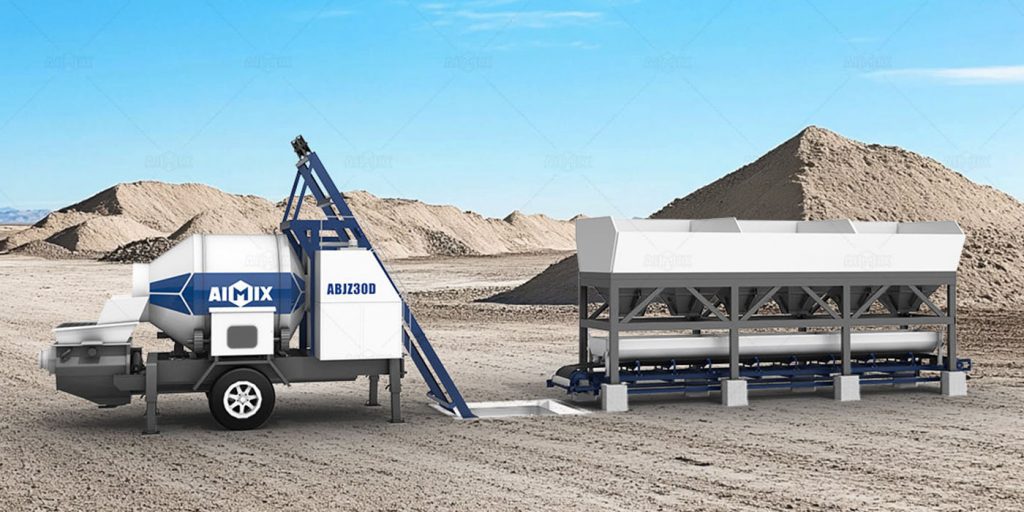
First, size matters. Most concrete mixer pumps have a compact chassis. Many models stay under 2.3 meters in width. This allows them to pass village roads that reject standard mixer trucks.
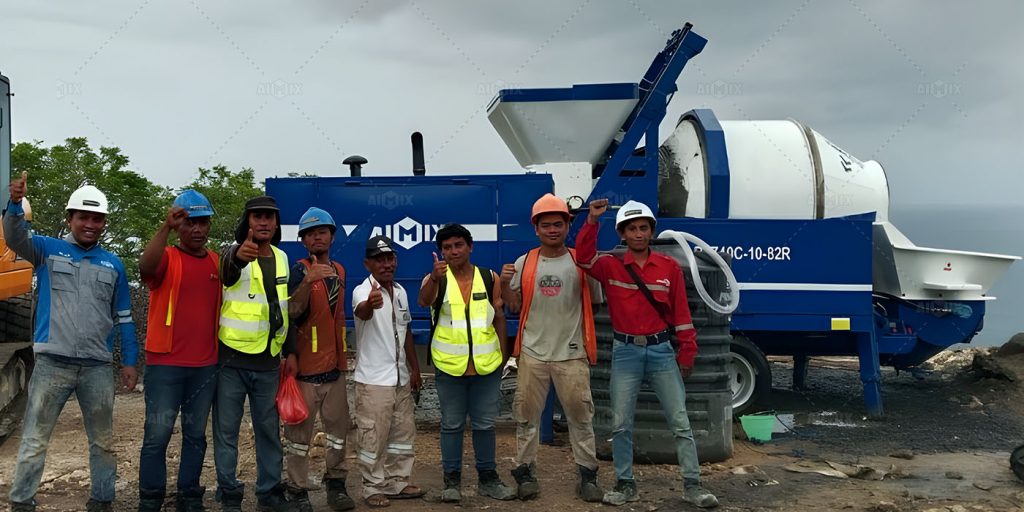
Second, flexibility matters even more. An AIMIX concrete pump can park near the site entrance. Then it pumps concrete through pipelines to the pouring point. This reduces the need for vehicles to enter tight spaces.
Because of these features, mixer pumps match Bali’s road conditions better than most alternatives.
How Mobility Improves Job Site Efficiency
Road access is only part of the story. Efficiency on site matters just as much. This is where mobility plays a key role.
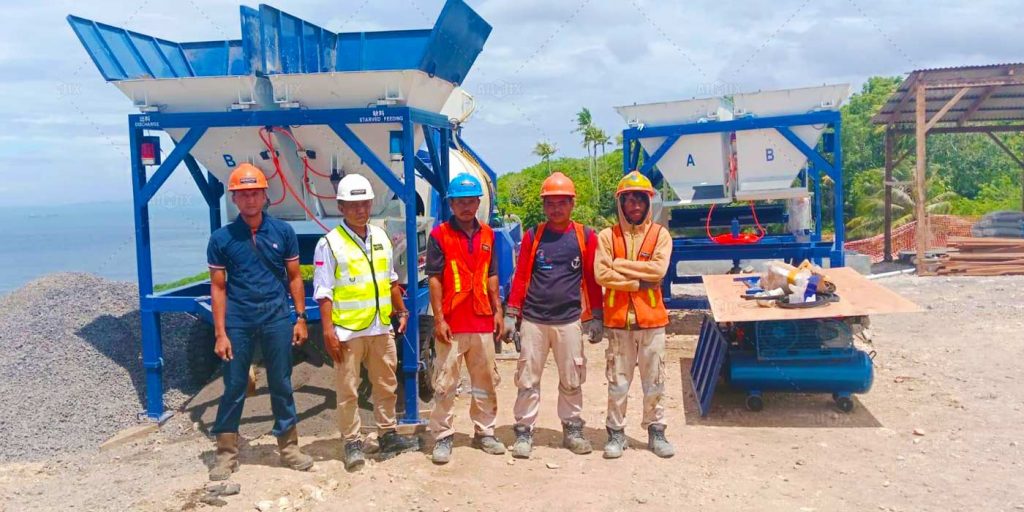
A concrete mixer pump can move between multiple villa projects in one day. Contractors do not need cranes for relocation. They do not need extra transport trucks either. As a result, project scheduling becomes easier.
More importantly, setup time stays short. After arriving, operators can start mixing and pumping within minutes. This speed helps small teams keep momentum, especially when weather changes fast in Bali.
Concrete Quality Control on Small and Medium Projects
Many clients worry about concrete quality when using compact equipment. This concern makes sense. Poor mixing leads to weak structures. However, modern concrete mixer pumps handle this issue well.
Most mixer pumps use forced mixing systems. These systems mix cement, sand, and aggregate evenly. Operators can adjust the mix ratio on site. This helps match local material conditions.
Because mixing and pumping happen together, concrete stays fresh. There is no long transport time. Therefore, slump loss drops. Structural quality improves. For villa slabs, columns, and beams, this consistency matters.
Output Capacity vs. Real Project Needs
At this point, many buyers ask about capacity. They fear a small machine may slow the job. However, this is where realistic thinking helps.
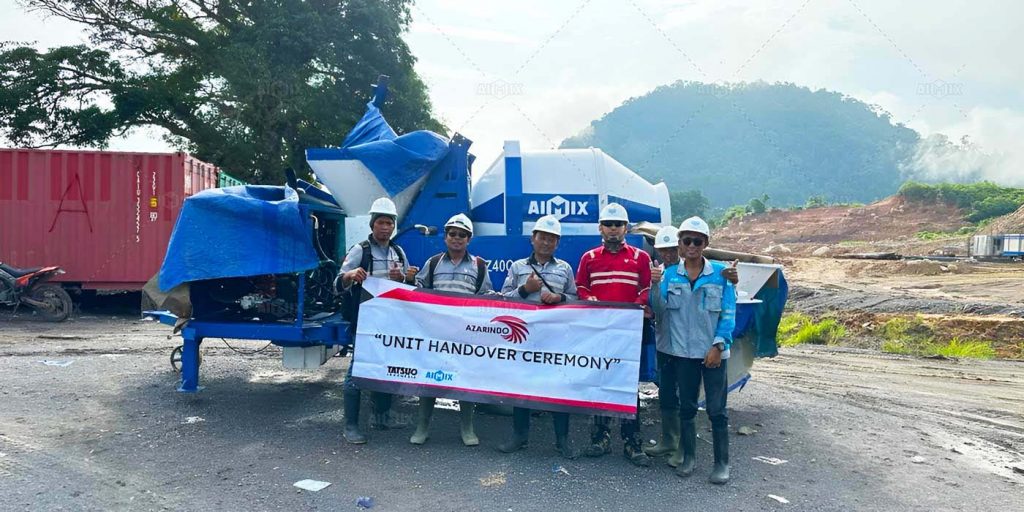
Most Bali villa and resort projects do not need high output. A diesel concrete mixer pump with 30–40 m³/h capacity often meets daily demand. For example, one slab pour rarely exceeds this range.
By choosing capacity that matches real needs, contractors avoid overinvestment. They also reduce fuel consumption. In the long run, this balance improves profit margins.
Lower Dependence on External Concrete Supply
Another hidden benefit deserves attention. Concrete mixer pumps reduce dependence on ready-mix suppliers.
In remote Bali areas, ready-mix delivery can delay projects. Traffic, distance, and supplier schedules all add risk. With a mixer pump, contractors control their own concrete production.
This independence increases reliability. It also helps builders respond faster when design changes happen on site.
Labor Cost and Team Size Advantages
Labor cost remains a sensitive topic in Bali construction. While wages vary, skilled workers are not always easy to find.
A concrete mixer pump reduces labor needs. One operator can control mixing and pumping. A small team can handle placement. Therefore, contractors save on daily labor expenses.
Over several projects, these savings become significant. For new investors, this advantage often shortens the payback period.
Fuel Efficiency and Operating Cost in Island Conditions
Fuel logistics matter on an island. Transporting diesel costs more. Equipment that burns less fuel gains an edge.
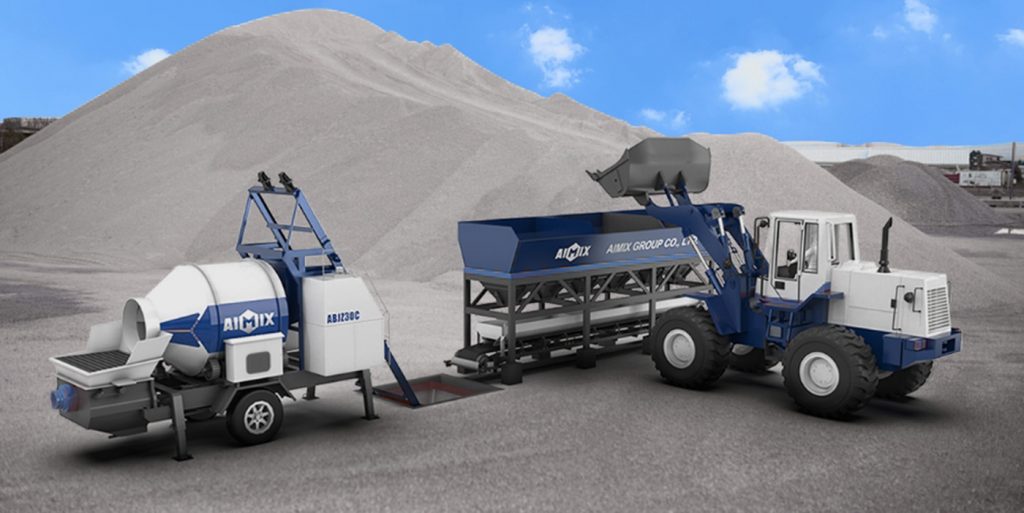
Concrete mixer pumps use smaller engines than full-size batching plants or truck mixers. They consume less fuel per cubic meter. At the same time, they eliminate the need for multiple machines.
Because of this, overall operating cost stays under control. This matters for long-term business planning.
Real Use Scenarios in Bali Projects
So how does this look in practice? Imagine a villa project in Ubud or Canggu. The access road allows only small trucks. The site sits 50 meters from the road.
A concrete mixer pump parks outside. Pipelines reach the foundation area. Concrete pours smoothly. No manual wheelbarrows. No repeated mixing delays.
In this scenario, the mixer pump does not just work. It becomes the most efficient option available.
Key Points to Check Before Choosing a Mixer Pump
Before making a decision, buyers should check a few details.
Machine Dimensions
Always confirm width, height, and turning radius. Bali roads leave little room for error.
Pumping Distance
Check horizontal and vertical pumping limits. This ensures concrete reaches every corner of the site.
Local Service Support
Fast service matters. Reliable local support keeps downtime low.
Final Thoughts: Is a Concrete Mixer Pump the Right Fit for Bali?
When all factors come together, the answer becomes clear. Yes, a concrete mixer pump can work efficiently on narrow access roads in Bali. More than that, it often becomes the smartest choice.
It fits the roads. It matches project scale. It controls cost. It improves quality. For contractors and investors who understand Bali’s construction environment, this machine offers real, practical value.
If you are planning villa, resort, or small commercial projects in Bali, now is the right time to rethink your concrete solution. A well-chosen concrete mixer pump can turn access limitations into a competitive advantage.
No responses yet