
Plantation roads in Sumatra play a critical role in transporting palm oil, rubber, and other agricultural products. However, many contractors face the same challenge: how to build durable roads in remote areas with limited infrastructure and tight budgets. At this point, many buyers start asking a practical question — can an 80 TPH asphalt mixing plant terdekat meet the actual needs of plantation road construction in Sumatra?
This article answers that question from a real project perspective. It focuses on production capacity, site conditions, cost control, and long-term performance. More importantly, it helps you decide whether an 80 TPH asphalt plant is the right investment for your plantation project.
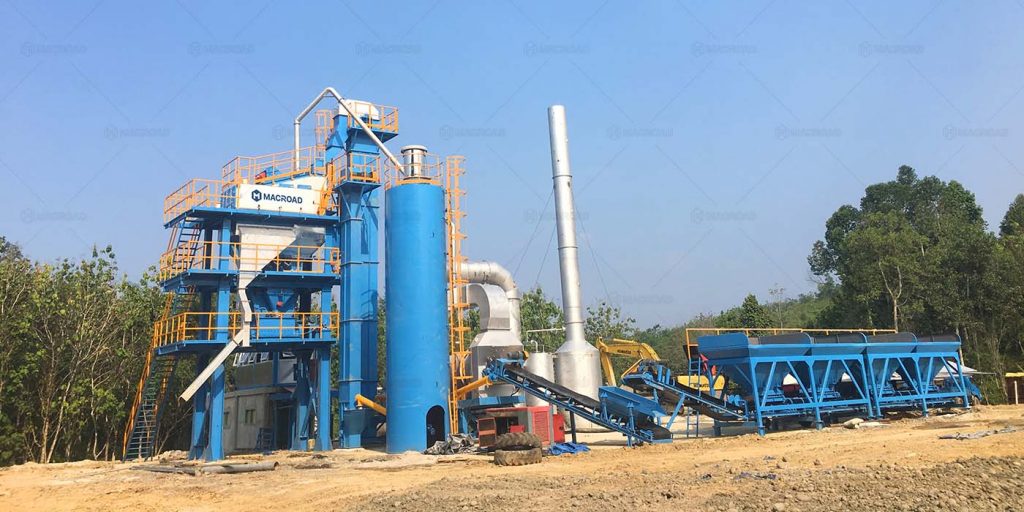
Understanding The Real Needs Of Plantation Road Projects In Sumatra
Before choosing equipment, you need to clearly understand the working conditions. Plantation roads are very different from highways or urban roads. Therefore, the equipment selection logic also changes.
Typical Project Characteristics
Most plantation road projects in Sumatra share several key features:
– Project scale ranges from 5 km to 50 km
– Daily paving demand usually stays between 300–800 tons
– Construction sites are remote and scattered
– Budget control is strict, especially for private plantation owners
– Roads must handle heavy trucks carrying palm oil or timber
As a result, contractors do not need extremely high-capacity asphalt plants. Instead, they need stable, flexible, and cost-effective solutions.
So, based on these conditions, an 80 TPH asphalt mixing plant becomes a practical option worth evaluating.

Is 80 TPH Capacity Enough For Plantation Roads?
Now let’s look at the core question — whether 80 TPH output matches real construction demand.
In most plantation projects, contractors aim to complete 200–600 tons of asphalt paving per day. If an 80 TPH hot mix asphalt plant runs 6–8 hours per day, it can produce:
80 TPH × 6 hours = 480 tons/day
80 TPH × 8 hours = 640 tons/day
This output aligns well with typical plantation road requirements.
Therefore, in terms of capacity alone, an 80 TPH asphalt mixing plant can fully support medium-scale plantation road construction.
However, capacity is only one part of the decision. Let’s move deeper into site conditions and operational realities.
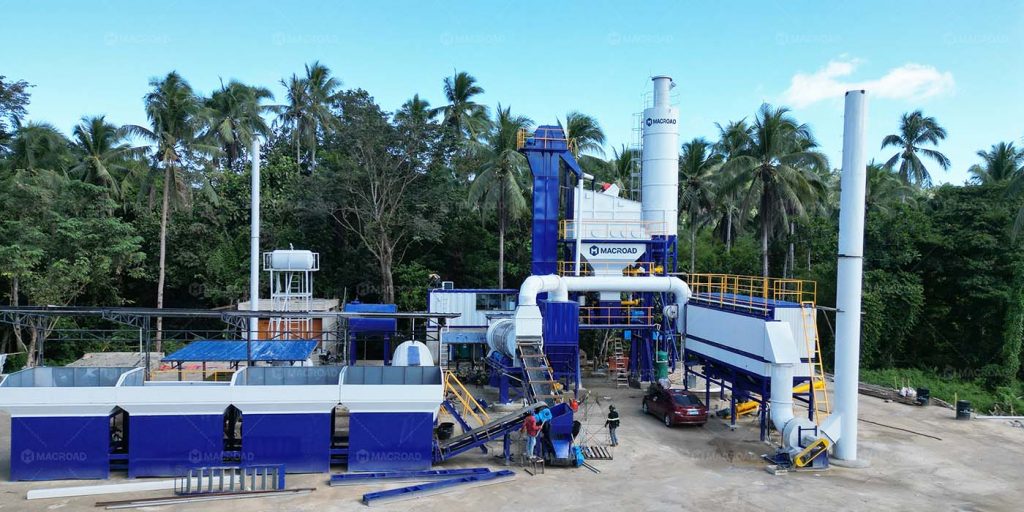
Why 80 TPH Asphalt Plants Fit Sumatra’s Site Conditions
After confirming capacity, the next concern is adaptability. Plantation projects in Sumatra often face challenging environments. Therefore, equipment must handle these conditions effectively.
Easy Transportation To Remote Areas
Many plantation sites are far from major cities. Roads are narrow and sometimes unpaved. Large asphalt plants become difficult to transport.
In contrast, an 80 TPH plant usually comes in modular design. It requires fewer trucks and simpler logistics. This directly reduces transportation time and cost.
Lower Foundation Requirements
Remote areas often lack strong ground support. Heavy equipment needs complex foundations, which increases project cost.
An 80 TPH plant is lighter and more compact. Contractors can install it with simpler foundations or even semi-mobile setups. This flexibility is very important for plantation projects.
Faster Installation And Relocation
Plantation road projects often move from one section to another. Therefore, equipment must adapt quickly.
An 80 TPH asphalt plant can typically be installed within 10–15 days. In addition, relocation becomes easier compared to larger plants. This improves project efficiency and reduces downtime.
As you can see, the equipment fits the environment well. Next, let’s look at the financial side.
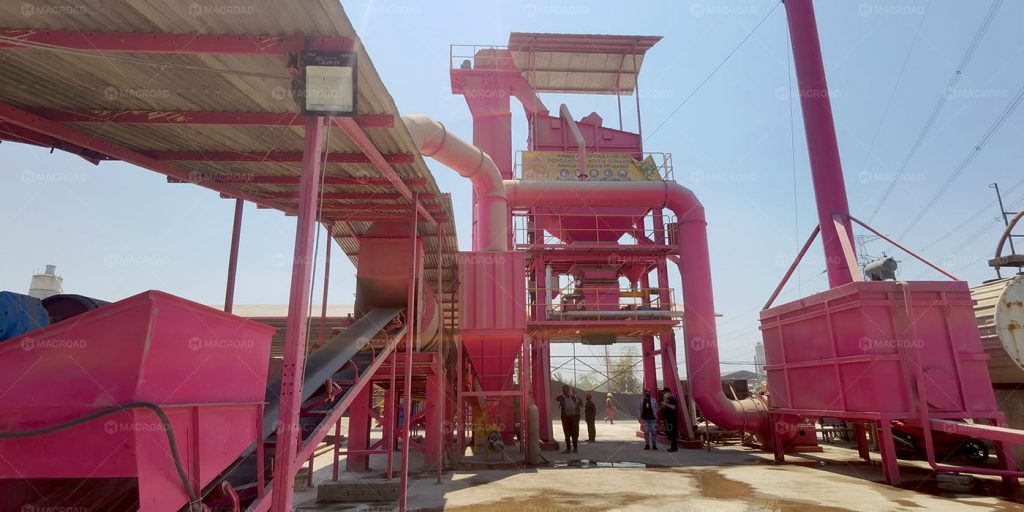
Cost Efficiency: A Key Advantage For Plantation Contractors
After evaluating technical feasibility, cost becomes the deciding factor for most buyers.
Plantation road projects usually operate under tight budgets. Therefore, choosing the right capacity directly affects profitability.
Lower Initial Investment
An 80 TPH asphalt mixing plant costs significantly less than 120 TPH or 160 TPH models. For small to medium contractors, this reduces financial pressure.
Instead of over-investing in unused capacity, contractors can match equipment size with actual demand.
Reduced Fuel Consumption
Fuel is one of the largest operating costs. A smaller plant consumes less diesel or heavy oil per ton of asphalt produced.
Over a 6-month or 12-month project, this saving becomes substantial.
Optimized Labor And Maintenance Costs
Smaller plants require fewer operators. Maintenance is also simpler. Spare parts are easier to source and replace.
As a result, daily operating costs remain under control.
Clearly, cost efficiency strengthens the case for 80 TPH plants. However, durability is equally important for plantation roads.
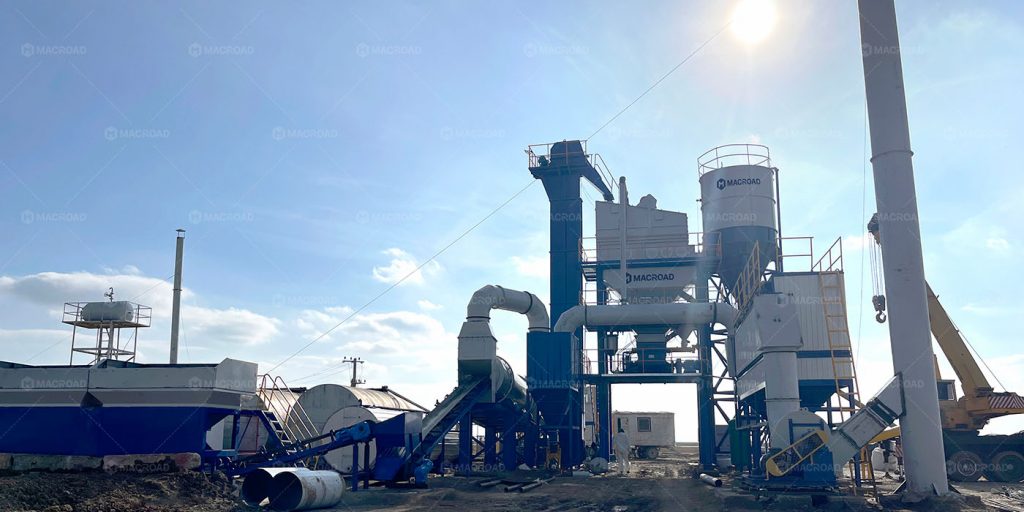
Can It Deliver Quality Asphalt For Heavy Plantation Traffic?
Some contractors worry that smaller plants may compromise asphalt quality. This concern is understandable, but not always accurate.
In reality, asphalt quality depends more on mixing technology and control systems than on capacity.
Stable Mixing Performance
A well-designed 80 TPH asphalt plant can produce consistent hot mix asphalt. It can handle common mix types used in plantation roads, such as AC-BC and AC-WC.
Accurate Control System
Modern plants include automatic control systems. These systems ensure precise aggregate proportioning, temperature control, and mixing time.
This leads to stable asphalt quality, which is critical for road durability.
Adaptability To Local Materials
In Sumatra, aggregate quality may vary depending on location. A flexible asphalt plant can adjust mix ratios to match available materials.
This adaptability helps contractors maintain quality while controlling costs.
Therefore, when properly configured, an 80 TPH plant can meet quality requirements for plantation roads.
When Should You Consider A Larger Asphalt Plant?
Although an 80 TPH stationary or mobile asphalt plant for sale works well in many cases, it is not always the best choice.
You should consider a larger plant if:
– Daily demand exceeds 800–1000 tons
– The project includes highways or high-grade roads
– Continuous large-scale production is required
– Multiple paving teams work simultaneously
In these situations, higher capacity improves efficiency.
However, for most plantation road projects in Sumatra, these conditions do not apply.
Real Decision Logic: Matching Equipment To Your Project
At this point, the decision becomes clearer. Instead of choosing the “biggest” machine, you should focus on the “most suitable” one.
Ask yourself the following questions:
– What is your daily asphalt demand?
– How long will the project last?
– How difficult is site access?
– What is your budget range?
– Will you move the plant frequently?
If your answers align with medium output, remote conditions, and cost sensitivity, then an 80 TPH asphalt mixing plant is a strong fit.
Conclusion: A Practical And Profitable Choice For Sumatra Plantation Roads
So, can an 80 TPH asphalt mixing plant be used for plantation roads in Sumatra, Indonesia?
The answer is yes — and in many cases, it is the most practical choice.
It offers enough capacity for typical projects. It adapts well to remote environments. It reduces investment and operating costs. At the same time, it can still deliver reliable asphalt quality.
In other words, it balances performance and cost in a way that fits real plantation road construction needs.
Start Planning Your Asphalt Solution Today
Every project is different. Therefore, the best equipment choice depends on your specific conditions.
If you are planning a plantation road project in Sumatra, now is the right time to evaluate your asphalt production strategy. A well-matched 80 TPH asphalt mixing plant can improve your efficiency, control your costs, and increase your project profitability.
Contact us today to get a customized solution based on your project scale, location, and budget. Let’s build a smarter, more efficient road together.
No responses yet