
Choosing the right concrete pumps matters. It affects cost, schedule, and safety. For long-distance road culvert work, the decision becomes more critical. In this article, we explain a practical decision process. We speak from the contractor’s view. We also speak from our experience at AIMIX. We keep sentences short. We focus on what you care about: reach, productivity, setup, and risk.
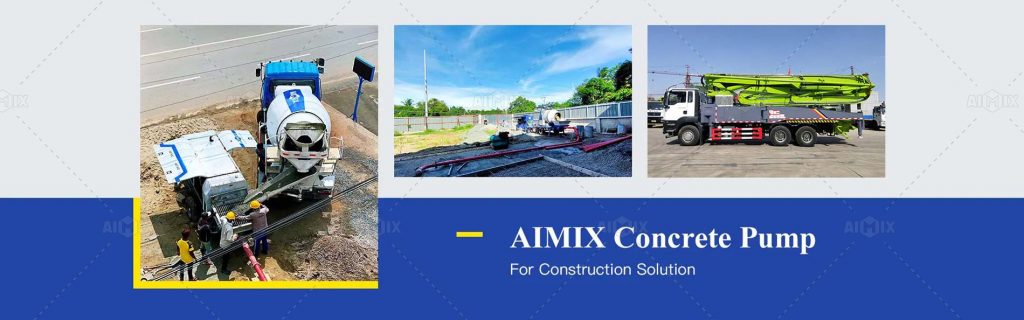
Project Needs First: Assess Reach, Volume, And Access
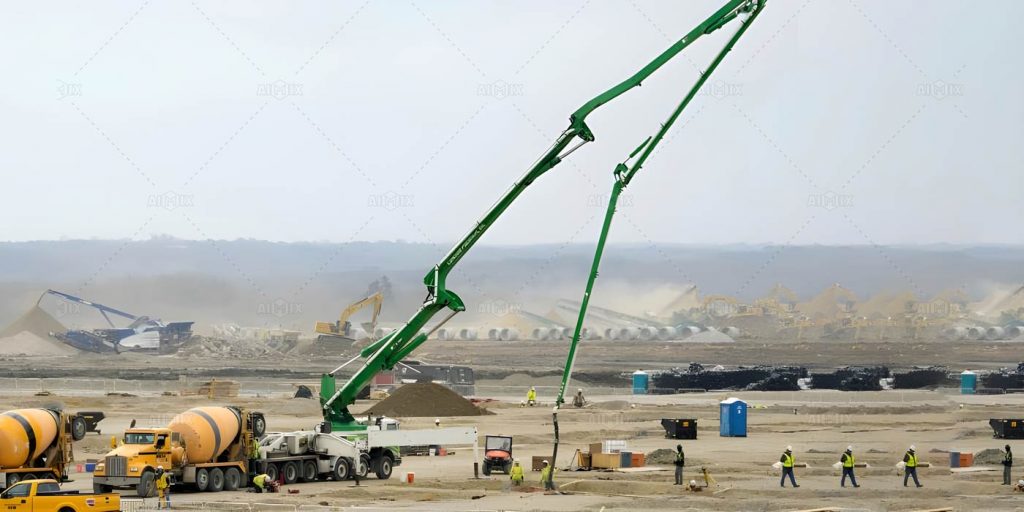
Start by measuring the reach you need. How far must concrete travel horizontally and vertically? Trailer pumps usually cover long horizontal distances. Boom pumps provide precise vertical and horizontal placement close to the formwork. Next, estimate the daily concrete volume. High volumes favor boom pumps with larger output. Low to medium volumes often suit trailer pumps better. Finally, check site access. Narrow roads and tight approaches limit boom truck maneuverability. In contrast, trailer pumps can sit farther away and still pump concrete through hoses. Therefore, reach, volume, and access form the first filter.
Cost Considerations: Upfront And Ongoing
Cost plays a major role. Contractors compare rental or purchase price, fuel, and labor. Boom pumps cost more to rent or buy per day. They also need a truck driver and a pump operator. Trailer pumps cost less daily. They may need more time to place the concrete manually near the culvert. However, when you calculate total cost per cubic meter, the boom concrete pump for sale can be cheaper on large pours. Conversely, trailer pumps often win on small jobs or low-frequency work. Thus, run a simple cost-per-m³ comparison before deciding.
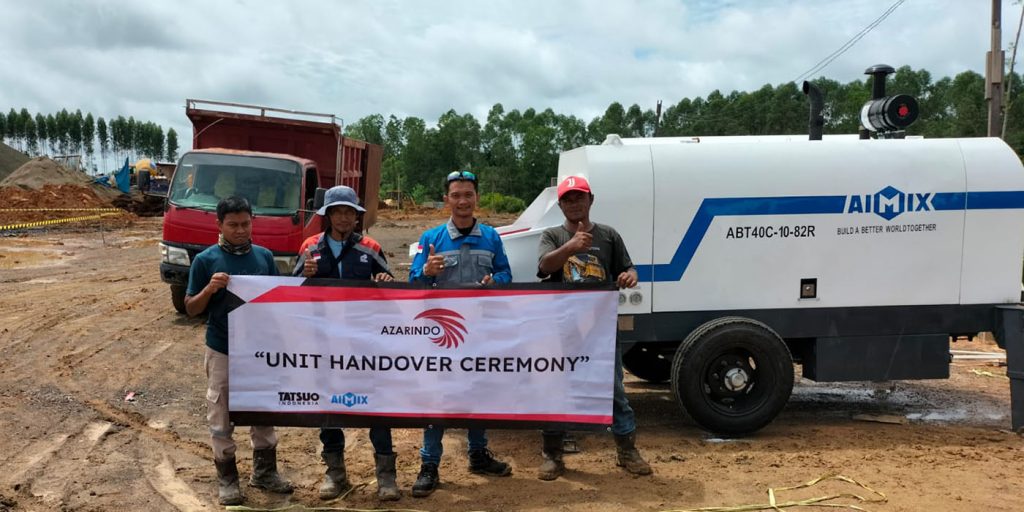
Productivity And Placement Precision
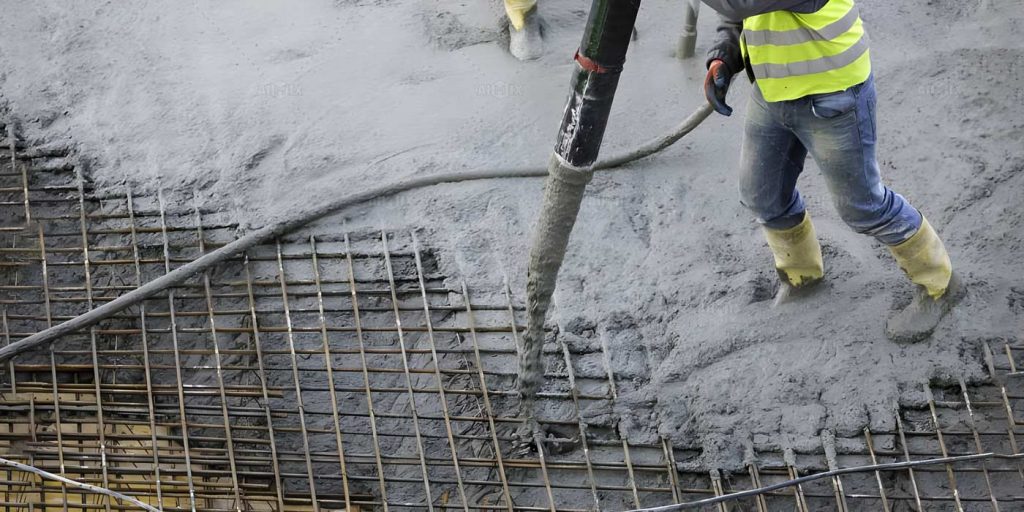
Productivity affects schedule. Boom pumps place concrete fast and accurately. They reduce manual handling and rework. As a result, you save labor hours and speed up the pour. Concrete trailer pumps rely on labor to guide hoses and place concrete. This method may slow work when placement points are many or change often. However, trailer pumps excel when you need to pump long distances across uneven terrain. They also let you stage hoses flexibly. So weigh speed versus reach for each pour.
Terrain And Site Layout: What Complicates Pumping?
Site terrain changes the equation. Steep slopes, ditches, and embankments make truck access hard. In such cases, you may park a trailer pump on stable ground far from the culvert. Then you run hoses down to the work area. Conversely, boom pumps need room to extend outriggers and swing the boom. If your site lacks flat staging areas, booms may be unsafe or inefficient. Also consider nearby traffic. If you must work beside an active road, a trailer pump can keep the truck off the carriageway. Therefore, match the machine to the site’s physical constraints.
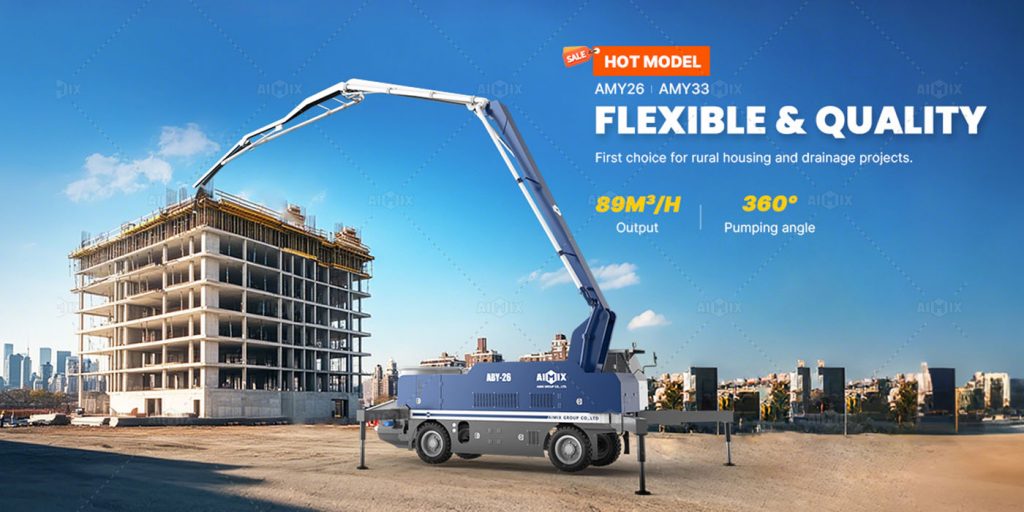
Safety And Regulatory Factors
Safety cannot be overlooked. Boom pumps require stable outrigger setup. You must follow load and slope limits. Failure to do so risks tip-over incidents. Trailer pumps need careful hose routing. Hoses can trip workers or block escape routes. Both systems require trained operators. In addition, local rules may limit truck size on certain roads. Check permits and weight limits early. Because safety and compliance affect insurance and liability, they often decide the final choice.
Labor And Crew Skill
Staff skills influence machine choice. Boom pumps need certified operators and signalers. They also require riggers for setup. If your crew lacks certified boom operators, add training or hire subcontractors. Trailer pumps need fewer specialists. Still, you need skilled hose handlers to avoid segregation and delays. When labor is scarce, a boom pump often shortens the work and reduces crew size. Therefore, evaluate your team’s skills and availability.
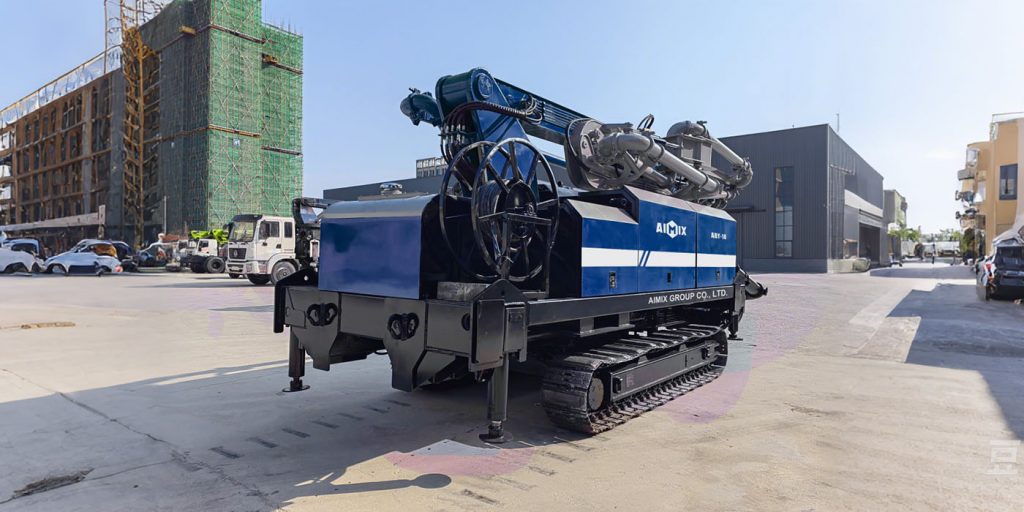
Maintenance, Downtime, And Reliability
Reliability matters on remote projects. Long downtime costs more when the site is far from support. Boom pumps often have more complex hydraulic systems. They may need more specialized maintenance. Trailer pumps use simpler mechanics. They often tolerate rough use better. However, modern boom pumps have robust service networks and quick parts support. So consider proximity to service and spare parts. In short, prefer the machine you can keep running on schedule.
Environmental And Noise Considerations
Noise and emissions can constrain operations near communities. Boom trucks have larger engines and more noise when extending and swinging. Trailer pumps can run quieter in some setups, especially with remote pumping locations. Also consider dust and concrete washout. Plan containment and disposal for both systems. If community relations matter, choose the option that reduces disturbance and complies with local environmental rules.
Decision Flow: A Practical Checklist
To simplify, use this checklist.
Step 1: Define Reach Needs
If horizontal reach exceeds hose practical limits, favor a trailer pump. If vertical precision dominates, favor a boom pump.
Step 2: Calculate Volume And Cost Per m³
For high volumes, boom pumps often save time and money. For low volumes, trailer pumps usually cost less.
Step 3: Inspect Site Access And Terrain
Prefer the machine that fits staging areas and traffic constraints.
Step 4: Evaluate Labor And Maintenance
Choose the option your crew can operate and maintain reliably.
Step 5: Check Safety And Permits
Ensure compliance with local rules before committing.
Conclusion And Call To Action
Choosing between a trailer pump and a boom pump requires clear priorities. You must balance reach, cost, speed, safety, and service. Start with a site walk and simple calculations. Then compare real rental or purchase quotes. If you want help, we can assist on-site or remotely. At AIMIX, we design practical pumping solutions for road and culvert projects. We provide both trailer and boom pumps. We also advise on staging, hose layouts, and manpower. Contact us for a free site review and a detailed cost comparison. Let us help you choose the best pump for your project.
No responses yet