
In Surabaya, concrete demand is growing fast. Commercial concrete suppliers face daily pressure from high-rise buildings, industrial parks, ports, and road projects. Many investors ask a very practical question before starting or expanding a concrete business: how many m³/h concrete making plant is required to supply 1000 m³ per day?
This question looks simple. However, the real answer depends on production hours, local working habits, equipment efficiency, and site conditions in East Java. In this article, we will analyze the problem step by step from a contractor’s and supplier’s point of view. At the same time, we will help you avoid common mistakes that can increase cost or reduce output.
Understanding Daily Demand in the Surabaya Commercial Concrete Market
Before choosing a batching plant, we must first understand what “1000 m³ per day” really means in Surabaya.
In commercial concrete supply, daily demand rarely spreads evenly over 24 hours. In most Surabaya projects, concrete pouring happens during daytime. Traffic rules, labor shifts, and site schedules limit working hours. As a result, real production time is shorter than many beginners expect.
Therefore, daily demand must always be converted into hourly demand under realistic conditions. This is the key logic behind batching plant selection.
Typical Working Hours for Concrete Plants in Surabaya
In practice, most commercial batching plants in Surabaya operate between 8 and 12 hours per day. Some large suppliers may run 14–16 hours during peak seasons. However, continuous long shifts increase labor costs and maintenance pressure.
For a stable business model, we usually calculate capacity based on 10 effective production hours per day. This assumption balances output, cost, and equipment life.
Core Calculation: Converting 1000 m³/day into m³/h
Now let us move from daily demand to hourly capacity. This transition is critical for correct equipment selection.
If your target output is 1000 m³ per day and your plant runs 10 hours per day, the basic calculation is straightforward:
1000 m³ ÷ 10 hours = 100 m³/h
At first glance, a 100 m³/h ready mix concrete plant seems sufficient. However, this is only the theoretical result. In real construction environments, production efficiency is never 100%.
Why Theoretical Capacity Is Not Enough
Concrete batching plants are rated under ideal conditions. In reality, many factors reduce actual output. These factors include aggregate moisture changes, truck waiting time, operator experience, and equipment wear.
In Surabaya, additional challenges also exist. High humidity affects aggregate moisture. Urban traffic slows down truck turnaround. Power stability may fluctuate in some industrial zones.
Therefore, experienced suppliers always add a safety margin.
Recommended Capacity Range for 1000 m³/day Supply
Considering real-world conditions, a concrete batching plant should operate at 70%–80% of its rated capacity for long-term stability. This principle helps reduce breakdowns and ensures consistent supply.
Based on this logic, we can reverse-calculate the required plant size.
Practical Capacity Recommendation
If your target is 1000 m³/day:
• At 70% efficiency: required rated capacity ≈ 143 m³/h
• At 80% efficiency: required rated capacity ≈ 125 m³/h
As a result, the most suitable options are:
• One 120 m³/h concrete batching plant (for controlled schedules)
• One 150 m³/h concrete batching plant (for safer operation and future growth)
In Surabaya’s competitive market, many professional suppliers prefer 150 m³/h batching plant wet mix. This choice allows flexibility during peak demand and reduces stress on equipment.
Single Large Plant or Multiple Medium Plants?
Capacity is not only about numbers. Plant configuration also affects reliability and logistics.
At this stage, many investors ask whether to install one large plant or two smaller ones. Let us compare these options.
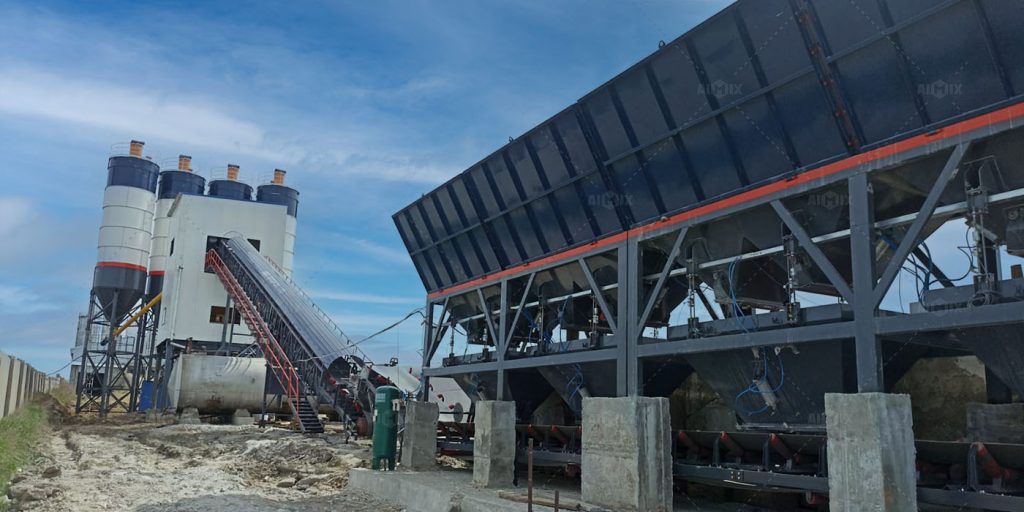
One 150 m³/h Batching Plant
A single large plant has a lower land footprint and simpler management. It requires fewer operators and lower installation cost. For centralized supply within Surabaya city, this option works well.
However, if the plant stops due to maintenance, production stops completely.
Two 60–75 m³/h Batching Plants
Two medium plants provide higher operational security. One plant can continue working if the other stops. This setup also allows flexible dispatch to different districts.
On the other hand, this solution needs more land, more operators, and higher initial investment.
In Surabaya, where land prices vary by zone, the final decision often depends on site availability and long-term expansion plans.
Other Key Factors That Influence Plant Selection
Capacity is important, but it is not the only decision factor. To run a profitable concrete business, you must consider the following aspects as well.
Concrete Mix Design and Strength Grades
Commercial supply usually includes multiple strength grades, such as K-250, K-300, and K-350. Frequent mix changes reduce output speed. A higher-capacity plant handles this complexity more easily.
Truck Fleet Size and Dispatch Efficiency
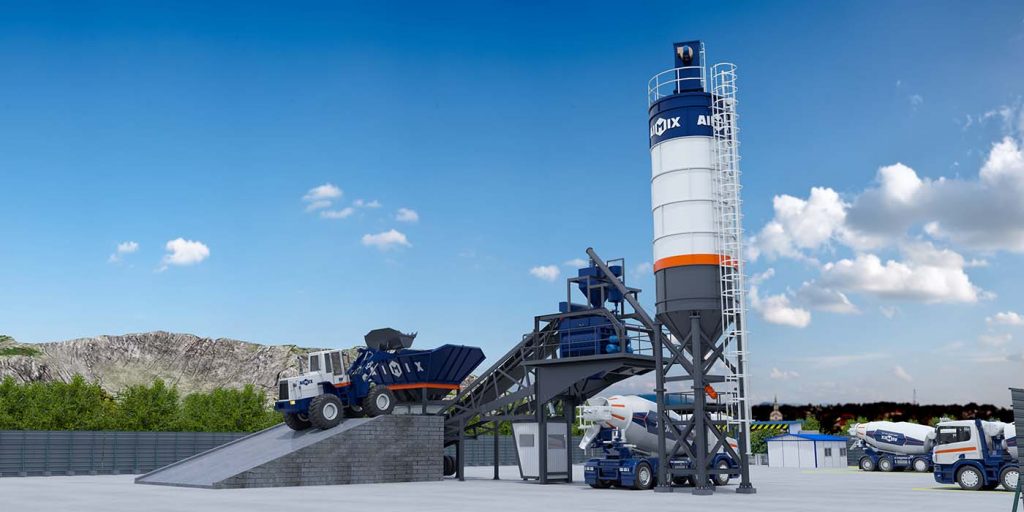
If trucks are insufficient, batching capacity will be wasted. In Surabaya traffic conditions, proper fleet planning is essential. Many suppliers match a 150 m³/h plant with 12–18 mixer trucks.
Environmental and Local Regulations
Dust control, noise limits, and wastewater recycling are becoming stricter in East Java. Modern batching plants with enclosed systems help meet these requirements and avoid fines.
Future Expansion: Thinking Beyond 1000 m³/day
Smart investors always think ahead. Surabaya continues to grow as an industrial and logistics hub. Demand may increase faster than expected.
If you install a plant that only just meets today’s demand, you may face capacity limits within two or three years. Upgrading later often costs more than choosing the right size from the start.
That is why many successful suppliers choose a slightly larger plant and grow into it.
Summary: The Right Answer for Surabaya Projects
To supply 1000 m³ of concrete per day in Surabaya, the theoretical requirement is 100 m³/h. However, real-world conditions make this insufficient.
From a practical and commercial perspective, a concrete batching plant with a rated capacity of 120–150 m³/h is the most suitable choice. This range ensures stable output, manageable costs, and room for growth.
The final decision should also consider working hours, logistics, land conditions, and long-term business strategy.
Start Your Concrete Supply Business with Confidence
Choosing the right concrete batching plant is not only a technical decision. It is a business decision that affects your cash flow, reputation, and growth potential.
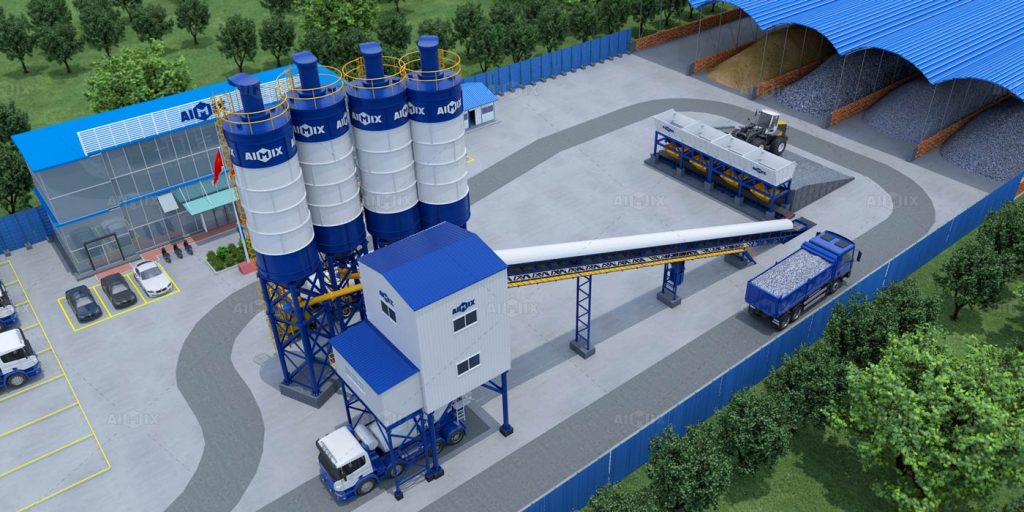
As an experienced concrete equipment manufacturer and supplier, we understand the real challenges faced by commercial concrete producers in Indonesia. We provide customized batching plant solutions, from 60 m³/h to 180 m³/h, designed for local conditions in Surabaya and across East Java.
If you are planning a 1000 m³/day concrete supply project, or if you want to scale up your existing plant, our team is ready to support you. Contact us today to discuss capacity planning, layout design, and investment optimization. Let us help you build a concrete business that grows with Surabaya.
No responses yet