
Starting an asphalt mixing plant business in Indonesia sounds exciting. It also sounds expensive. Many contractors and investors ask the same question before they move forward: how much capital do I really need? The honest answer is simple. It depends on your project scale, your market, and your long-term plan. Still, you can estimate it with a clear structure and realistic numbers.
Indonesia keeps investing in roads, ports, airports, and industrial zones. That means asphalt demand stays strong. Because of this, many local contractors want to produce their own mix instead of buying it. However, a smart decision needs more than optimism. You need to understand every cost line. You also need to see how each choice changes your total investment.
In this guide, we will walk through the main cost items step by step. We will connect them with real project needs. We will also show you how to control risks and improve returns. By the end, you should have a clear idea of what capital level fits your business plan in Indonesia.
Why Capital Planning Matters Before You Buy Any Equipment
Before we talk about numbers, let’s talk about mindset. Many first-time buyers focus only on the asphalt plant price. That approach often leads to trouble. A pabrik aspal is not just a machine. It is a system. It needs land, power, people, logistics, and working capital. If you ignore one part, the whole business suffers.
Because of this, you should see capital planning as your first investment. It helps you avoid cash flow stress later. It also helps you choose the right plant size from day one. With a clear budget map, you can talk to suppliers, banks, and partners with confidence.
Now that we agree on the importance, let’s break the total capital into clear and practical parts.
The Core Cost Categories You Must Prepare For
To keep things simple and useful, we can divide the capital into six main groups. Each group links to a real decision you must make. Together, they form your total startup budget.
Asphalt Mixing Plant Equipment Cost
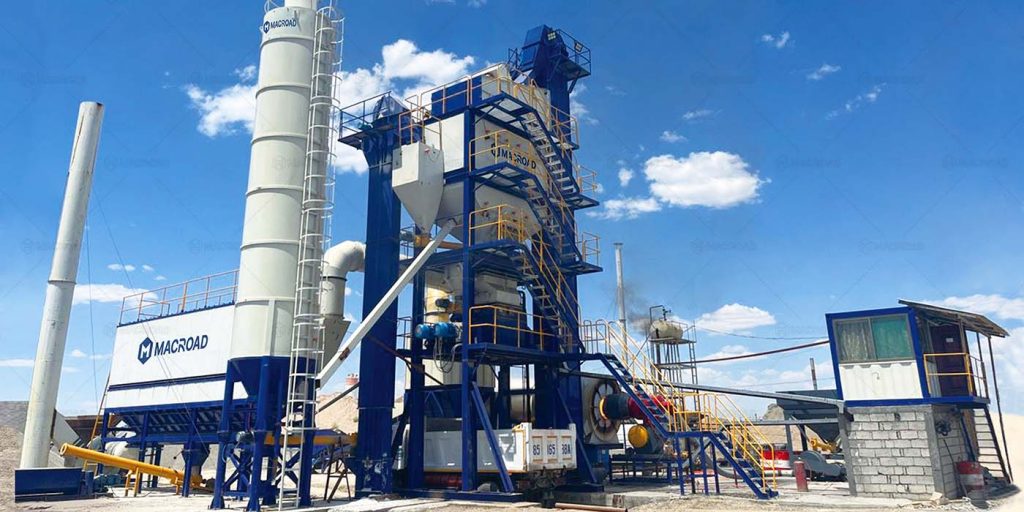
This is the biggest and most visible part of your investment. In Indonesia, most buyers choose between batch type and drum type asphalt plants. They also choose different capacities, such as 60 TPH, 80 TPH, 120 TPH, or even higher.
A smaller plant costs less, but it also limits your output. A larger plant costs more, but it can serve bigger projects and more clients. In practice, many local contractors start with a mid-range capacity. They want enough output for road projects, but they also want to control risk.
As a rough reference, a stationary or mobile asphalt plant for sale can range from a few hundred thousand US dollars to over one million US dollars. The final number depends on configuration, automation level, environmental options, and brand choice.
However, the equipment price never stands alone. You must connect it with the next cost items, because they often change the real budget more than you expect.
Land, Foundation, And Site Preparation Cost
Once you choose your plant, you need a place to install it. This step often surprises new investors. In Indonesia, land price changes a lot by region. Land near cities or ports costs more. Land in remote areas costs less, but it may increase transport and utility costs.
Besides land, you also need to build foundations, internal roads, drainage, and storage areas. These works are not optional. A stable foundation protects your equipment. A good layout improves daily efficiency. Because of this, site preparation can take a meaningful part of your budget.
In many real projects, this part can reach 10% to 20% of the equipment value. Sometimes it goes higher if the ground condition is poor. So, you should always include a safety margin here.
Power Supply And Utilities Cost
An asphalt plant needs stable power. Some sites can use the local grid. Others need diesel generators. Both options cost money, but in different ways. Grid connection may need new lines or transformers. Generators need fuel and maintenance.
Besides power, you also need water supply, fuel storage, and sometimes compressed air systems. Each item looks small alone. Together, they form a real line in your capital plan.
If your site is far from infrastructure, this part can grow fast. Therefore, when you compare two land options, you should always compare their utility costs as well, not only the rent or purchase price.
Transportation, Installation, And Commissioning Cost
After you buy the bitumen hot mix plant, you still need to bring it to your site. In Indonesia, transport can involve sea shipping, port handling, and long-distance trucking. Each step adds cost. The larger the plant, the higher this cost goes.
Then comes installation. You need cranes, tools, and skilled technicians. Some suppliers include this service. Others charge it separately. Either way, you should count it in your startup capital.
Finally, commissioning and testing also cost time and money. During this phase, you do not produce for sale yet. Still, you pay for labor, fuel, and support. That is why this stage links directly to working capital planning, which we will discuss later.
Environmental Protection And Compliance Cost
Environmental rules matter more every year in Indonesia. Dust control, noise control, and emission control are not just nice features. They are often required by local authorities and project owners.
For this reason, you may need bag filters, enclosures, noise barriers, or extra monitoring systems. These options increase the initial plant price. They also protect your business in the long run. Without them, you may face fines, shutdowns, or lost contracts.
So, instead of seeing this as a burden, you should see it as risk insurance. A clean and compliant plant builds trust with clients and communities. That trust often turns into stable orders.
Working Capital For Daily Operations
This is the most ignored part by beginners, yet it is one of the most important. Working capital covers raw materials, fuel, labor, spare parts, and daily expenses before you receive full payment from clients.
In road projects, payment cycles can take weeks or months. During this time, your plant still runs. You still pay for bitumen, aggregates, and diesel. If you do not prepare enough working capital, you may need to stop production even when you have orders.
A good rule is to prepare at least three to six months of operating cost as working capital. The exact number depends on your contract terms and client profile. Still, you should never treat this part lightly.
How Plant Capacity Changes Your Total Investment
Now that we have the main cost groups, let’s connect them with capacity choice. This step matters because capacity sets the tone for your whole business model.
A small plant needs less equipment investment. It also needs less land and power. However, it limits your daily output. That means you rely on smaller projects or longer project timelines.
A larger plant needs more capital upfront. Yet, it can serve bigger contracts and finish jobs faster. In many cases, it also reduces unit production cost because of scale effects.
So, the real question is not “How cheap can I start?” The better question is “What capacity matches my target market in Indonesia?” Once you answer that, the capital range becomes much clearer and more realistic.
From Cost To Return: Thinking Like A Business Owner
It is easy to get lost in cost lists. However, you should always bring the focus back to return. An asphalt mixing plant is a production asset. Its value comes from how well you use it.
If you choose a plant that matches your market, you can keep it busy. High utilization shortens your payback period. It also improves your cash flow. On the other hand, if you buy a plant that is too big for your orders, your capital sits idle.
Therefore, when you plan your capital, you should also sketch a simple revenue model. Estimate how many tons you can sell per month. Estimate your margin per ton. Then check how long it takes to recover your initial investment. This simple exercise often changes equipment choices in a very practical way.
Common Mistakes That Increase Capital Pressure
Many investors make similar mistakes when they enter this business. First, they underestimate site and utility costs. Second, they forget about working capital. Third, they choose equipment based on price only, not on support and reliability.
Each mistake adds pressure later. Delays increase cost. Breakdowns reduce output. Cash shortages stop production. The good news is that you can avoid most of these problems with careful planning and honest numbers from the start.
That is also why choosing an experienced supplier matters. A good partner does not only sell a plant. They help you design a workable solution for your real conditions in Indonesia.
A Practical Capital Range For Different Business Levels
So, what does all this mean in real numbers? While every project is different, we can still describe some general ranges.
For a small to medium local operation, total startup capital may start from several hundred thousand US dollars. This usually covers a modest capacity plant, basic site works, and limited working capital.
For a more ambitious setup that targets multiple projects or government contracts, the total capital can reach one to two million US dollars or more. This level often includes higher capacity, better environmental systems, and stronger logistics support.
These numbers are not promises. They are planning references. Your final budget should come from a detailed project study and supplier proposals.
How To Move From Idea To Action With Confidence
At this point, you should have a clearer picture of the capital structure. The next step is simple but important. Turn these ideas into a real plan. Define your target market. Choose your capacity. Check your site options. Then ask for professional advice and detailed quotations.
With this approach, you do not just ask, “How much does a plant cost?” Instead, you ask, “How much capital do I need to build a stable asphalt business in Indonesia?” That question leads to better decisions and better results.
Your Next Step Starts Here
Building an asphalt mixing plant business in Indonesia is not a small decision. It needs capital, planning, and a clear market vision. However, it also offers strong opportunities in a growing infrastructure market.
If you want to move forward, start with a realistic discussion about your project goals and budget. A tailored solution will always beat a generic one. When your equipment, site, and market fit together, your capital works for you, not against you.
Now is a good time to turn your plan into action. The right preparation today can build a profitable and stable business for many years to come.
No responses yet