
Road paving projects in Java demand reliable, high-performance concrete batching plants to ensure smooth operations and timely completion. If you’re looking for a 60 m³/h output concrete mixture plant, selecting the right one can significantly impact your project’s efficiency and cost-effectiveness. This guide will walk you through the key considerations to help you make an informed decision.
Understanding Your Project Requirements
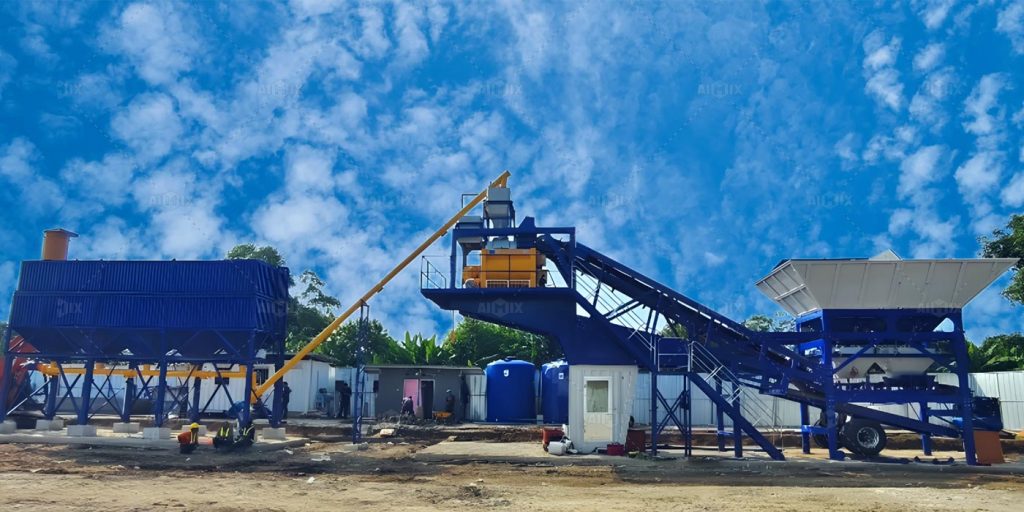
Before choosing a concrete batching plant, you must clearly define your project’s needs. Road paving in Java involves specific challenges, such as tropical weather, varying terrain, and strict deadlines.
Assess the Output Capacity
A 60 m³/h output is ideal for medium to large road projects. However, ensure the plant can consistently meet this demand without frequent breakdowns. Consider peak usage times and potential scaling needs.
Evaluate Site Conditions
Java’s humid climate and occasional heavy rains require a batching plant ready mix with robust corrosion-resistant materials. Also, check if the site has space for the plant, storage silos, and raw material stockpiles.
Transitioning from project needs, let’s explore the types of batching plants available.
Types of Concrete Batching Plants for Road Paving
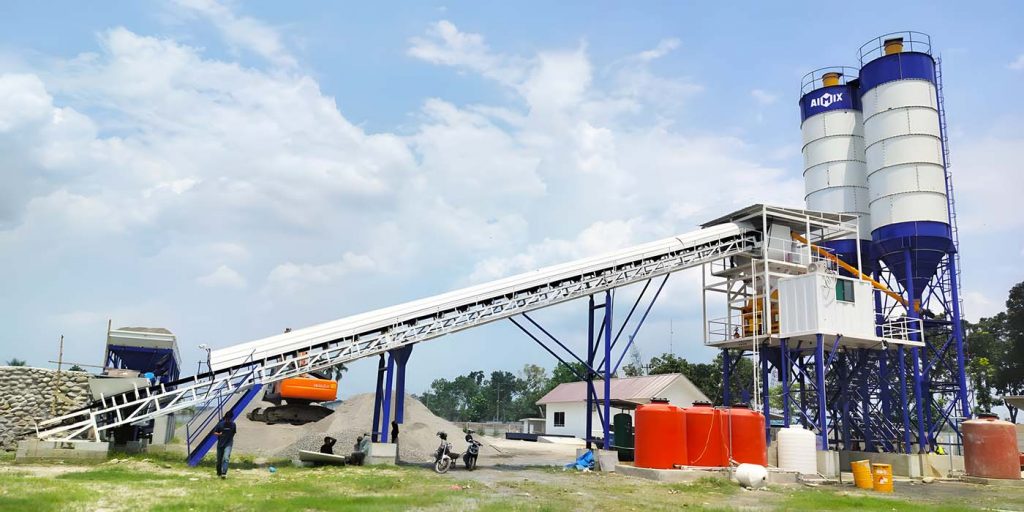
Different jual batching plants offer varying advantages. Your choice depends on mobility, setup time, and long-term usability.
Stationary Batching Plants
These are ideal for long-term projects with fixed locations. They offer higher production stability and customization options. If your road project spans several months or years, this could be a cost-effective solution.
Mobile Batching Plants
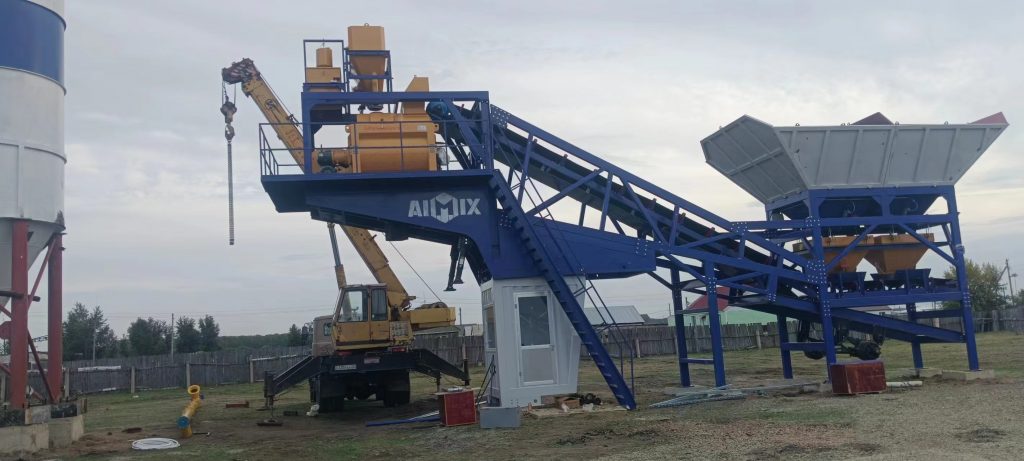
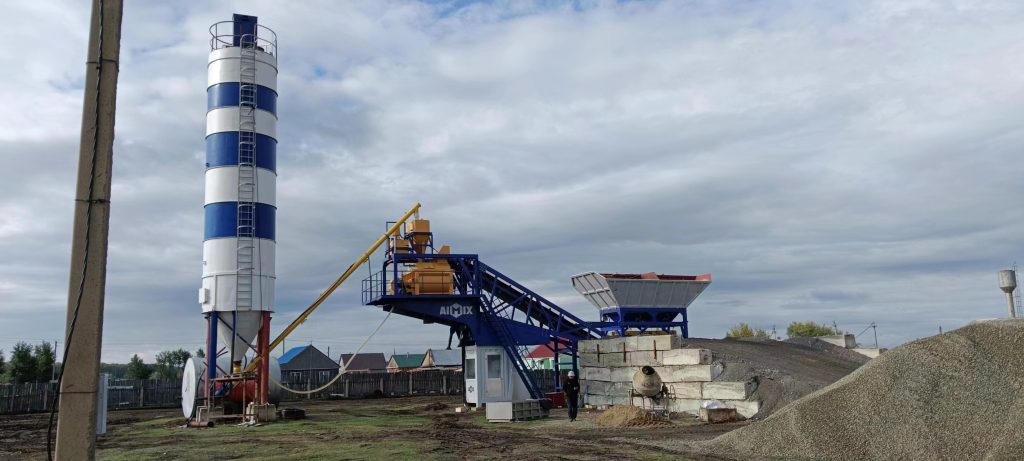
For projects requiring frequent relocation, mobile plants provide flexibility. They are quicker to install and dismantle, reducing downtime between project phases.
Now that you know the types, let’s discuss the must-have features for Java’s road projects.
Key Features to Look For
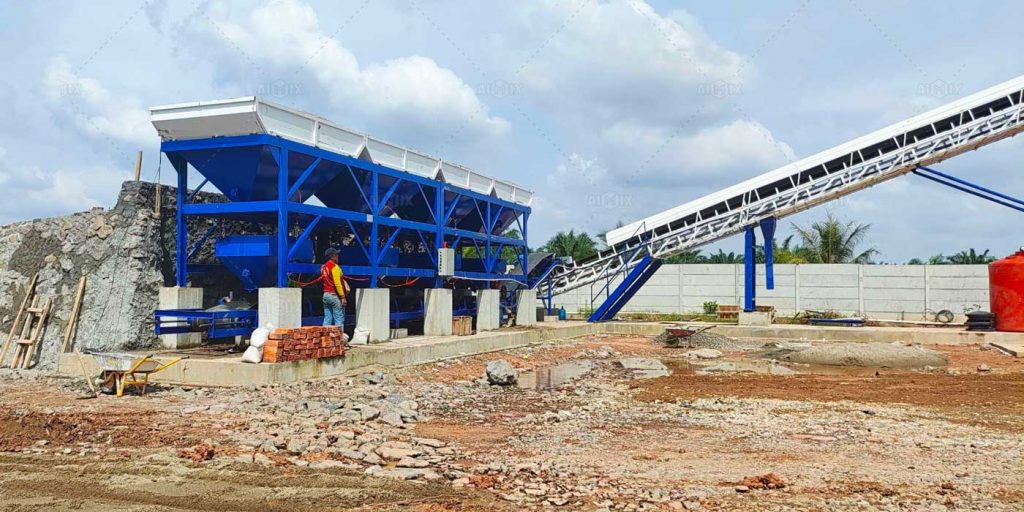
Not all batching plants are created equal. Focus on these features to ensure optimal performance.
Durability and Weather Resistance
Java’s high humidity and rainfall demand plants with galvanized steel or anti-rust coatings. Check the quality of mixing blades, liners, and structural components.
Precise Measurement Systems
Accurate batching ensures consistent concrete quality. Look for plants with advanced weighing systems and automated controls to minimize human error.
Energy Efficiency
Electric or hybrid models can reduce fuel costs. Since road projects often run for extended hours, energy savings add up significantly.
Beyond features, maintenance and support play a crucial role in long-term success.
Maintenance and After-Sales Support
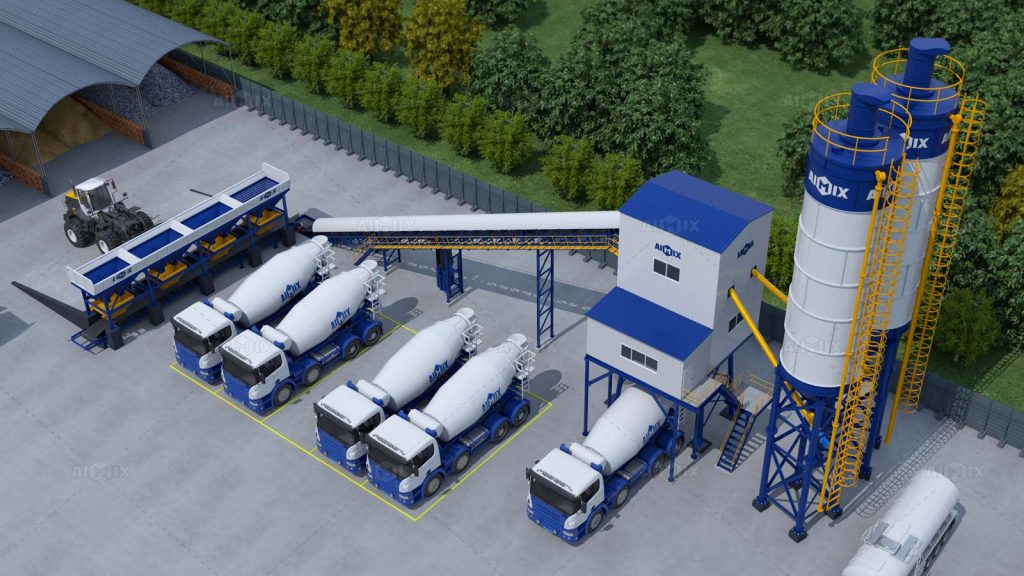
A reliable batching plant supplier ensures your plant remains operational with minimal disruptions.
Availability of Spare Parts
Check if the manufacturer or local dealers stock essential spare parts. Delays in repairs can halt your entire project.
Technical Support
Choose a supplier offering on-site training and troubleshooting. Remote assistance is helpful, but local support is invaluable for urgent issues.
With these factors in mind, let’s summarize how to make the best choice.
Making the Final Decision
Compare multiple options based on cost, features, and supplier reliability. Request demonstrations or visit existing installations in Java to see performance firsthand.
Budget Considerations
While upfront cost matters, consider long-term expenses like maintenance, fuel, and labor. A slightly pricier but efficient plant may save more over time.
Supplier Reputation
Read customer reviews and ask for references. A reputable supplier ensures quality equipment and dependable service.
Ready to Boost Your Road Paving Efficiency?
Choosing the right 60 m³/h concrete batching plant can make or break your Java road project. Focus on durability, precision, and local support to maximize productivity. If you need expert advice or a tailored solution, contact us today. Let’s build smoother, stronger roads together!
No responses yet