
River pebbles are widely used in construction, road base, and concrete production. They are hard, wear-resistant, and durable, but their strength also makes them difficult to crush. For contractors and aggregate producers, choosing the right 200 TPH crusher plant for sale can determine whether the operation is smooth, efficient, and profitable. If the final product required is 0–40 mm, the equipment configuration and process design need to be carefully evaluated. Let’s explore the key factors step by step.
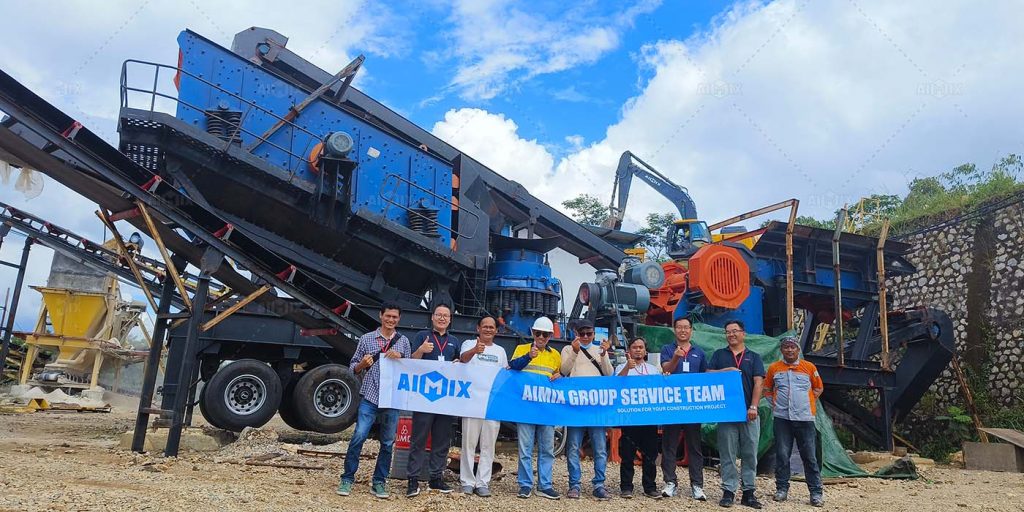
Why Choose a 200 TPH Crusher Plant for River Pebbles?
Many construction and infrastructure projects demand large volumes of aggregates within a short time. A 200 TPH stone crusher plant near me strikes a balance between capacity and investment. It can supply enough materials for concrete batching plants, asphalt plants, and road construction projects without overwhelming operating costs. At the same time, it ensures flexibility for medium to large-scale projects.
Therefore, before going into detailed selection, it is important to understand why 200 TPH fits the demand: it delivers stability, meets average production goals, and avoids frequent downtime from overloading or under-sizing.
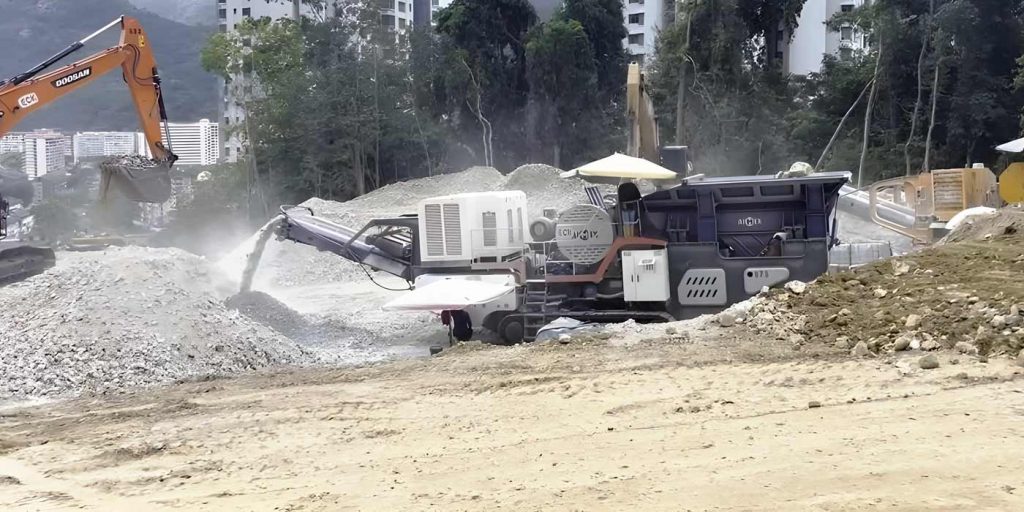
Key Considerations for Handling River Pebbles
Since river pebbles are harder than limestone or granite, the crushing equipment must be robust and wear-resistant. Selecting the right crusher type ensures that the plant not only produces 0–40 mm aggregates but also maintains long-term efficiency. Here are some critical aspects.
1. Crusher Type
Jaw crusher machine is often used for primary crushing due to their strong crushing ratio. However, for shaping and achieving uniform 0–40 mm particles, a cone crusher or impact crusher is typically added in secondary and tertiary stages. Cone crushers are especially suitable because they handle high hardness material effectively and provide stable output.
2. Feeding Size and Distribution
The input size of river pebbles often reaches 300–500 mm. This makes a jaw crusher essential for the first stage. Proper feeding equipment, such as a vibrating feeder, ensures continuous and uniform material flow, avoiding blockages and improving throughput.
3. Screening and Output Control
To achieve 0–40 mm output, a vibrating screen with multiple decks is required. Screening separates oversized materials and redirects them back to the secondary crusher. This recycling loop guarantees consistent aggregate sizes, making the final product ready for concrete or road use.
4. Wear Resistance and Maintenance
River pebbles wear down liners and parts quickly. Therefore, high-manganese steel or wear-resistant alloy parts should be selected for jaw and cone crushers. Regular maintenance and quick access to spare parts reduce downtime, which keeps production stable.
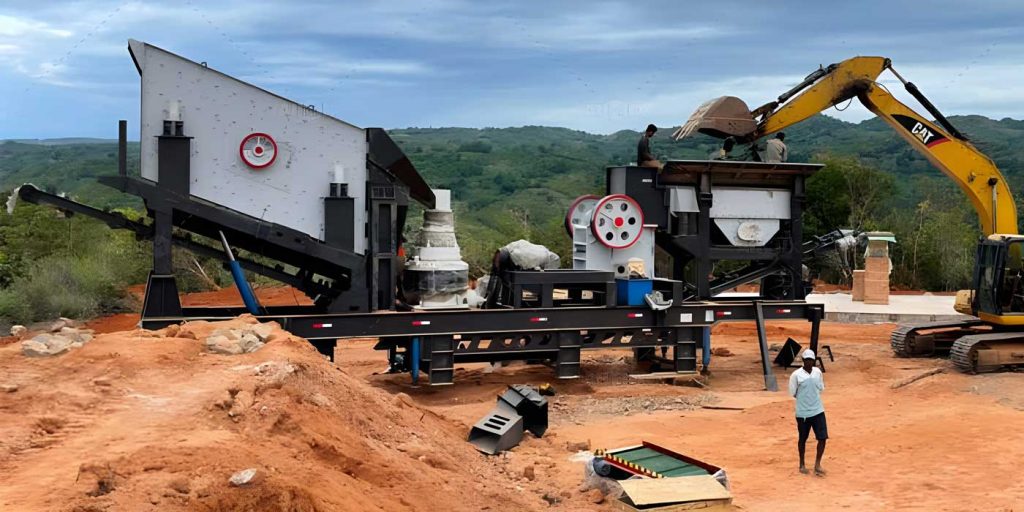
How to Optimize the Plant Layout
A good layout minimizes transportation inside the site and reduces energy consumption. Typically, the plant includes a vibrating feeder, jaw crusher, cone crusher or impact crusher, vibrating screen, and conveyor belts. Placing them logically ensures smooth material flow from feeding to final output. Moreover, dust suppression systems and noise reduction measures are essential for environmental compliance.
By optimizing the process design, contractors not only save costs but also improve the overall performance of the crushing line. This is particularly important in projects where quality and delivery time are equally critical.
Economic and Project Benefits
Investing in the right 200 TPH crusher plant has direct financial impact. Stable production of 0–40 mm aggregates reduces material shortages on construction sites, prevents project delays, and improves contractor reputation. Additionally, efficient plants consume less energy per ton, lowering operating costs. In competitive markets, these advantages turn into stronger bidding power for new projects.
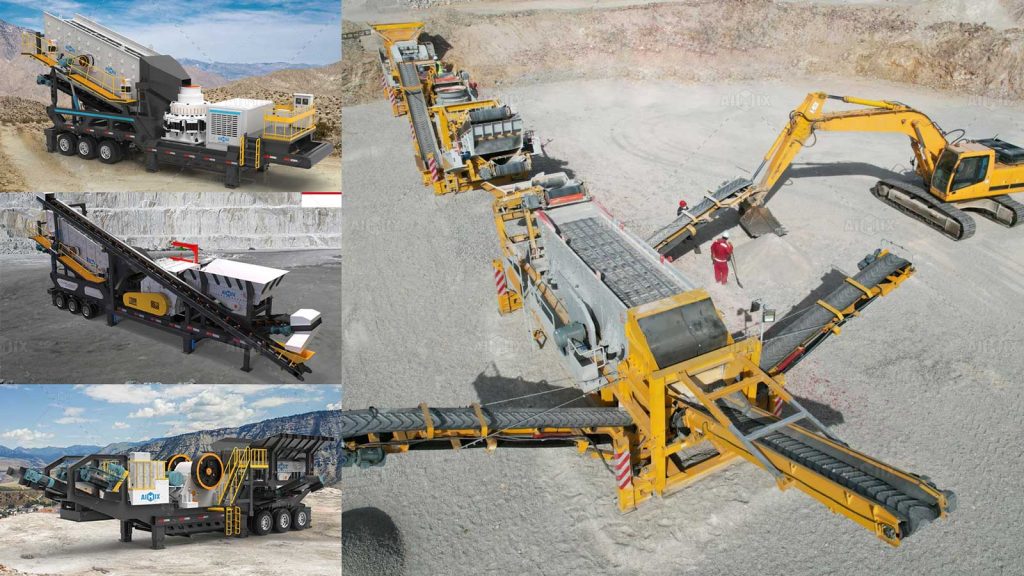
Choosing AIMIX as Your Crushing Partner
Selecting the right equipment supplier is just as important as choosing the plant configuration. AIMIX provides complete 200 TPH crushing solutions tailored to river pebbles. We offer professional design, durable equipment, and after-sales support in Indonesia and beyond. Our local engineers help with installation, training, and spare parts supply, ensuring your plant runs without unnecessary interruptions.
If you are planning to set up a 200 TPH crusher plant for producing 0–40 mm river pebble aggregates, contact AIMIX today. We will provide customized solutions that match your project scale, budget, and performance goals, helping you deliver reliable results on every construction site.
No responses yet