
Port filling projects demand more than just large volumes of stone. From my experience in the construction and marine engineering field, what really matters is consistency, stability, and long-term efficiency. When a project requires 20–50 mm stones at around 300 tons per hour, the stone crusher plant becomes a strategic decision, not a simple equipment purchase. Choosing the wrong configuration can slow progress, increase operating costs, and even affect the structural stability of the reclaimed land.
So, how do you select the right crusher plant machine for such a demanding application? In this article, I will walk through the decision-making process from a contractor’s and project owner’s perspective, focusing on real construction needs rather than theoretical parameters.
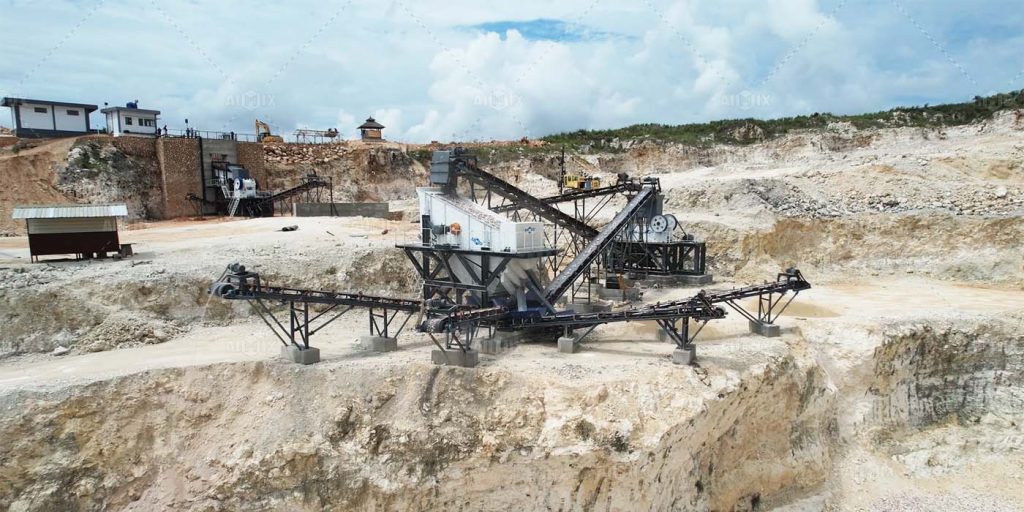
Understanding the Real Requirements of Port Filling Projects
Before talking about machines, I always suggest starting with the project itself. Port filling is different from road construction or building aggregate production. The working conditions, material demand, and output stability requirements are much higher.
More importantly, port filling projects often run continuously. Therefore, downtime directly translates into financial loss. This reality shapes every equipment decision that follows.
Why 20–50 mm Stone Size Matters
In port filling, 20–50 mm stones strike a balance between load-bearing strength and compaction efficiency. Smaller stones may cause excessive settlement, while larger stones reduce compaction density. As a result, the crusher plant must deliver a narrow and stable size range.
Because of this, the crushing process cannot rely on a single-stage setup. Instead, a well-planned multi-stage crushing system becomes essential.
What 300 TPH Means in Practical Terms
A capacity of 300 TPH is not just a number on paper. In practice, it means the stone crusher plant must handle high feed volumes without fluctuation. This requires strong primary crushing, reliable secondary shaping, and efficient screening.
At this scale, even small inefficiencies can lead to material backlog or uneven output. Therefore, capacity matching between each equipment stage is critical.
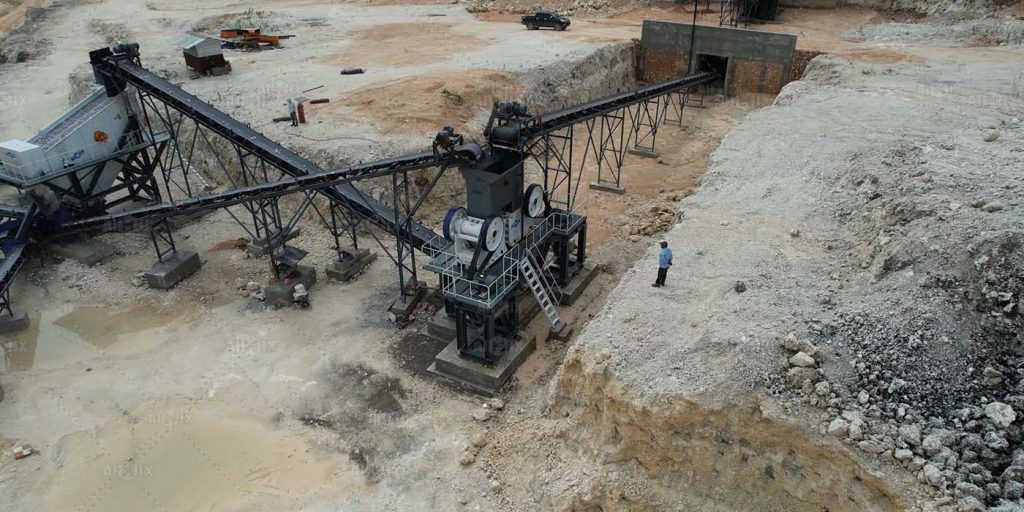
Choosing the Right Crushing Process Configuration
Once the project requirements are clear, the next step is to define the crushing process. This decision determines the plant’s long-term performance.
In most port filling applications, a two-stage or three-stage crushing process works best. Let me explain why.
Primary Crushing: Handling Large Feed Sizes
Port filling projects often use blasted rock or large raw stone. These materials usually exceed 600 mm in size. Therefore, the jaw crusher for sale must focus on strong crushing force and high reliability.
Jaw crushers are commonly used at this stage. They handle hard rock well and maintain stable performance under heavy loads. More importantly, they prepare material efficiently for downstream crushers.
Secondary Crushing: Controlling Output Size
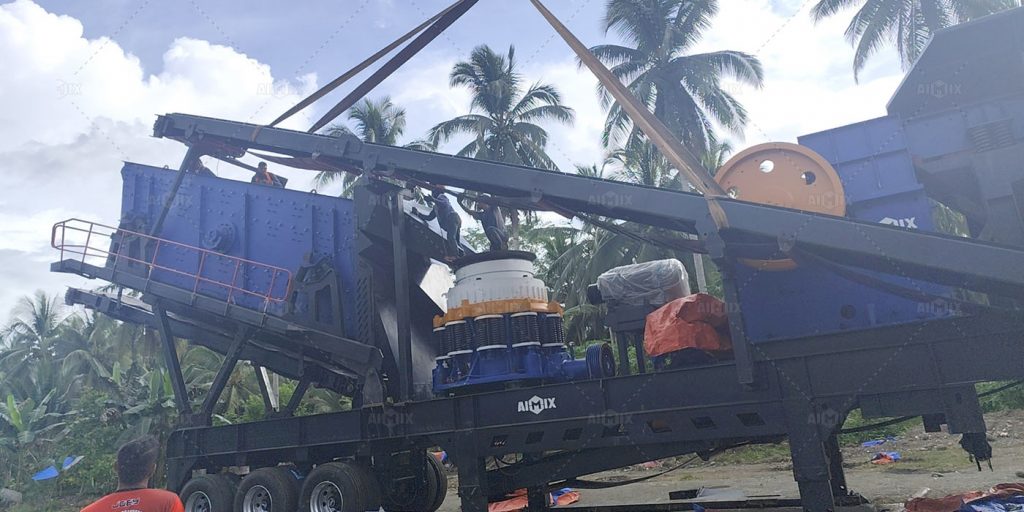
After primary crushing, secondary crushing becomes the key to achieving the 20–50 mm target. At this stage, cone crushers show clear advantages.
They provide better control over particle size distribution. At the same time, they maintain high output while reducing flaky particles. This matters greatly for port filling quality.
Screening and Return Circulation
Even with the right crushers, screening plays a decisive role. Vibrating screens separate qualified materials from oversized stones.
Through return circulation, oversized stones go back for further crushing. This closed-loop system ensures consistent output size and avoids material waste.
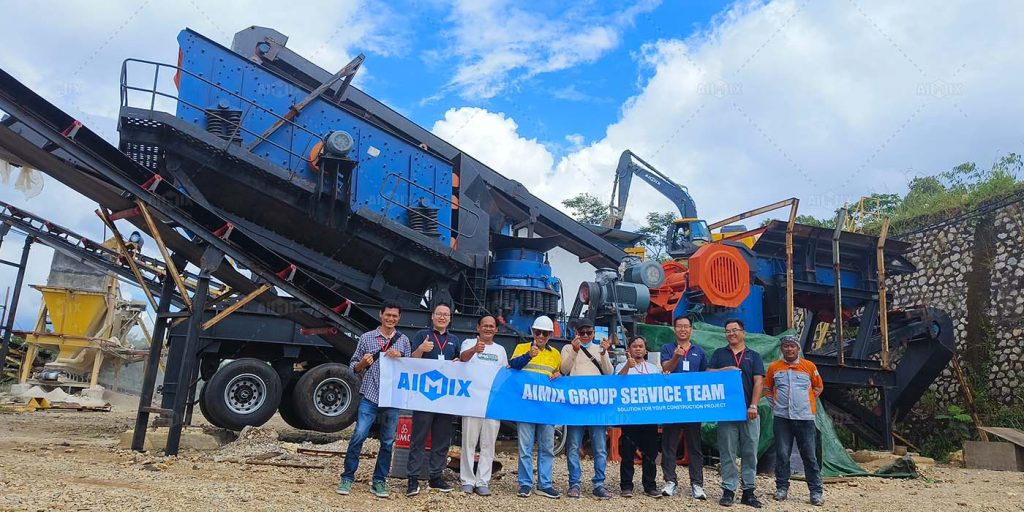
Evaluating Equipment Durability and Stability
After defining the process, I always look at durability. Port environments are harsh. Salt air, high humidity, and heavy loads put extra stress on equipment.
Therefore, the crusher plant must focus on long-term stability, not just initial performance.
Crusher Frame and Wear Parts
A strong frame structure ensures stability during continuous operation. At the same time, wear parts such as liners and mantles should use high-quality materials.
Longer wear life means fewer shutdowns. This directly improves project progress and cost control.
Power System and Energy Efficiency
At 300 TPH, energy consumption becomes a major operating cost. Efficient motors and optimized transmission systems reduce power usage.
Over time, even small energy savings per ton create significant cost advantages.
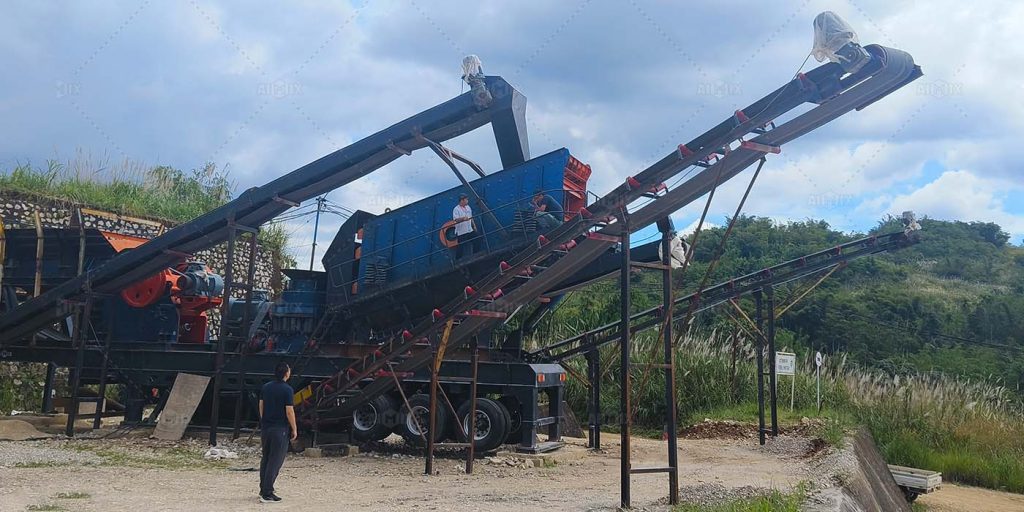
Mobility or Stationary: Which One Fits Port Filling Better?
Another key question often comes up during discussions with project owners: should the plant be mobile or stationary?
The answer depends on project layout and timeline.
When Stationary Plants Make More Sense
For long-term port filling projects with fixed quarry locations, stationary crusher plants offer higher stability and lower operating costs.
They allow larger equipment, stronger foundations, and higher continuous output.
When Semi-Mobile Solutions Add Value
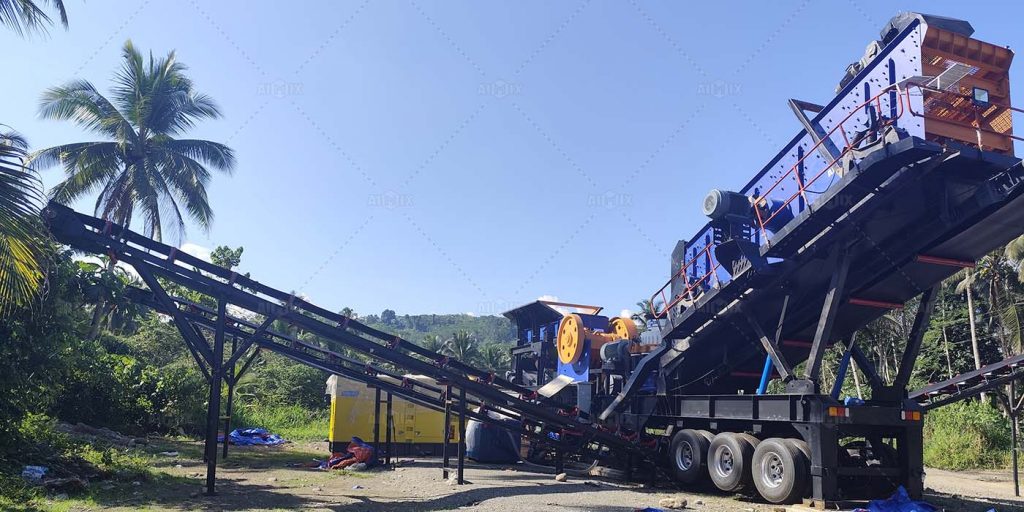
However, if the quarry face moves frequently, semi-mobile plants reduce transportation distance.
This flexibility improves efficiency and reduces loader and truck fuel consumption.
Maintenance, Operation, and Workforce Considerations
Equipment selection does not end with installation. Daily operation determines real project success.
From my perspective, ease of maintenance and operator friendliness should never be overlooked.
Simple Maintenance Design
Hydraulic adjustment systems, easy liner replacement, and centralized lubrication systems reduce maintenance time.
As a result, the plant stays productive for longer periods.
Operator Skill Requirements
A well-designed control system helps operators manage production easily.
This reduces training costs and lowers the risk of operational mistakes.
Total Cost of Ownership: Looking Beyond the Purchase Price
Finally, I always advise customers to evaluate the total cost of ownership.
The initial equipment price is only one part of the investment.
Operating and Maintenance Costs
Spare parts consumption, power usage, and labor costs accumulate over time.
A reliable plant with higher initial quality often costs less in the long run.
Production Stability and Project Schedule
Stable output ensures the port filling schedule stays on track.
This stability protects contractual timelines and avoids penalty risks.
Why Many Contractors Choose AIMIX for Port Filling Projects
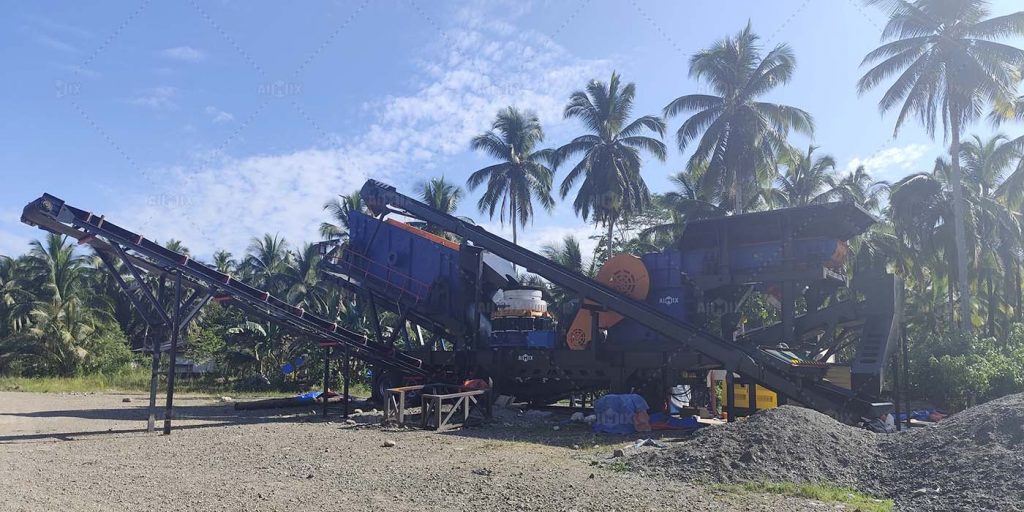
When all these factors come together, choosing the right supplier becomes just as important as choosing the right configuration. AIMIX provides complete stone crusher plant solutions tailored for port filling projects producing 20–50 mm stones at around 300 TPH.
From process design to equipment manufacturing and after-sales support, AIMIX focuses on real construction needs. If you are planning a port filling project and want a solution that balances capacity, reliability, and long-term value, I strongly suggest discussing your project requirements with AIMIX engineers.
Now is the right time to invest in a crusher plant that truly supports your project success. Reach out, share your site conditions, and let professionals help you build a stable and efficient production system.
No responses yet