
When contractors in Indonesia plan mid-rise projects like apartments, commercial complexes, or office towers, one key question often arises: should they buy their own 40 m³/h concrete mixing pump, or continue renting a 36 m boom pump? Both options can deliver concrete efficiently, but the long-term costs and benefits differ. In this article, I will compare these two solutions from the perspective of local contractors and project owners, focusing on cost-effectiveness, productivity, and suitability for 8–12 storey buildings.
Why Contractors Often Rent a 36 m Boom Pump
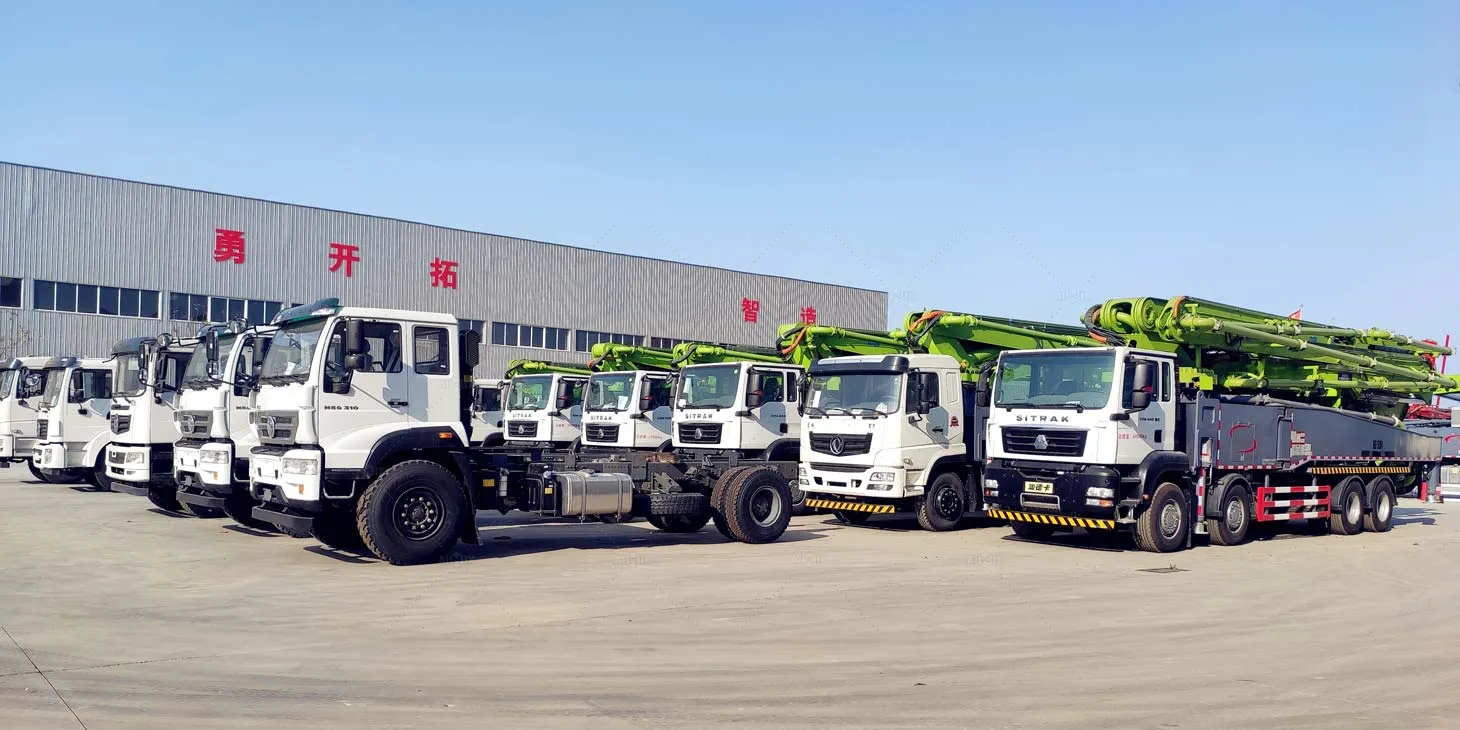
In Indonesia, many builders rely on rental boom pumps because they provide a quick solution for vertical concrete pumping. A 36 m boom pump concrete can place concrete directly to higher floors without extra pipelines. This reduces manual labor and speeds up concrete placement during peak construction periods. Moreover, renting feels less risky, since the contractor does not need to commit to a large purchase cost upfront.
However, the convenience comes at a price. Daily rental rates for boom pumps are high, and frequent use across multiple projects can quickly add up. Contractors who handle continuous projects may find that renting drains profits in the long run. Therefore, it is natural to consider an alternative that offers more control and cost savings.
How a 40 m³/h Concrete Mixer Pump Works Differently
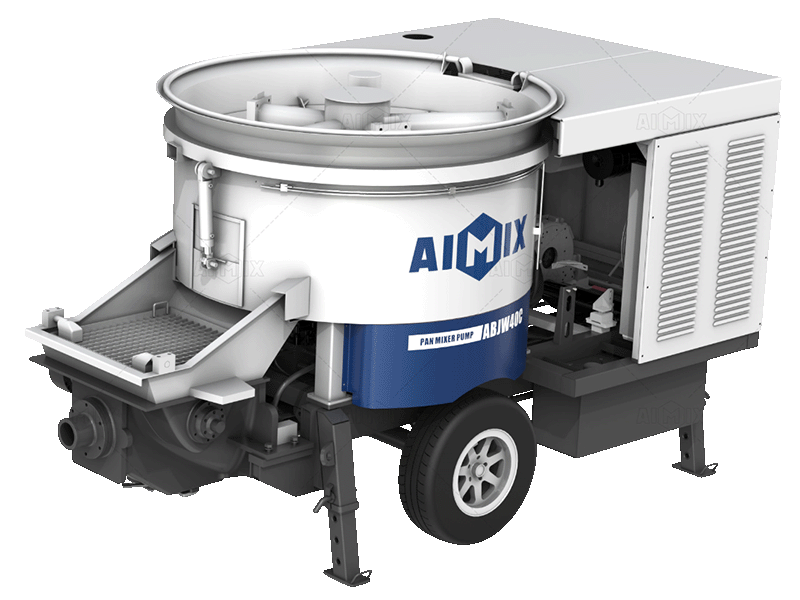
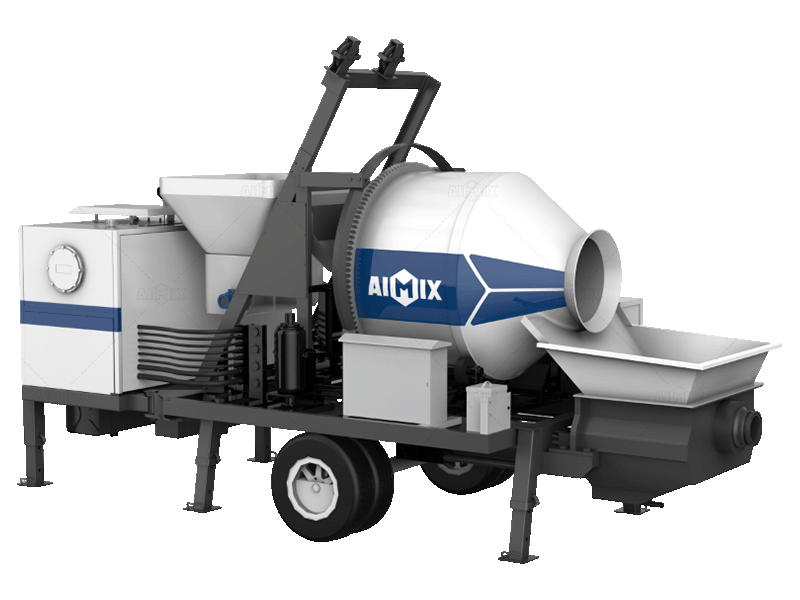
Unlike a boom pump, a concrete mixer pump combines mixing and pumping functions in one machine. It can mix fresh concrete on-site and then pump it through pipelines to the required floors. For buildings between 8 and 12 storeys, a mixer pump with a vertical pumping capacity of over 100 meters is usually sufficient. In this way, the mixer pump provides both flexibility and independence on site.
Another major advantage is ownership. Once purchased, the concrete pump becomes part of the contractor’s fleet. This means no more high daily rental costs. Instead, the contractor can move the pump from site to site, reusing it for multiple projects. Over time, the cost per cubic meter of pumped concrete becomes significantly lower compared with renting.
Cost-Effectiveness: Ownership Versus Rental
Initial Investment Versus Recurring Expense
A boom pump rental looks affordable at first because it avoids a large initial purchase. Yet, the rental charges accumulate. If a project runs for several months, the total rental cost may exceed the price of a mixer pump. On the other hand, buying a mixer pump requires upfront capital, but it can be recovered quickly after serving several projects.
Operational Savings and Productivity
With a mixer pump, contractors also save on concrete transport and mixing costs. Since the machine mixes and pumps on site, they avoid delays from ready-mix delivery trucks stuck in traffic, which is common in Indonesian cities. This directly increases efficiency, especially in urban projects where time pressure is high.
Long-Term Value
Contractors who own a mixer pump gain long-term flexibility. They can schedule pours based on their own timeline, not the rental company’s availability. In addition, they can even rent out their pump to other builders, creating an extra source of income. This long-term value makes the mixer pump an investment rather than just a cost.
Suitability for 8–12 Storey Buildings
For mid-rise projects, both boom pumps and mixer pumps can deliver concrete effectively. However, the way they operate differs. Boom pumps reduce labor for high-rise placement, but their cost is better justified for very tall buildings or extremely fast-paced projects. For 8–12 storeys, the pumping height is well within the capability of a 40 m³/h mixer pump. As long as the pipelines are properly arranged, the concrete delivery remains smooth and continuous.
This makes the mixer pump a practical choice for most contractors targeting residential apartments, hotels, and office towers in Indonesia. It balances affordability, efficiency, and reliability in one package.
Which Option Makes More Sense in Indonesia?
Considering the local market conditions, the choice depends on the contractor’s business model. If the contractor only handles one short-term project, renting a boom pump may seem convenient. But if they work on multiple projects each year, buying a mixer pump usually pays off faster. The high rental rates in Indonesia make ownership even more attractive. Moreover, Indonesian contractors often prefer equipment they can control and reuse, rather than depending on rental availability.
Final Thoughts and Recommendation
After comparing both options, it is clear that buying a 40 m³/h concrete mixer pump is often more cost-effective than renting a 36 m boom pump for 8–12 storey projects in Indonesia. The mixer pump combines mixing, pumping, and flexibility, making it a smart long-term investment. While boom pumps have their advantages for taller structures, they can become costly when used frequently.
At AIMIX, we have helped many Indonesian contractors choose the right pumping solution. Our self-loading mixer pumps and trailer pumps are designed for the local market, with strong after-sales service and local support. If you are planning mid-rise projects, our team can guide you to the most suitable option. Contact us today, and let’s build smarter and more cost-effective solutions together.
No responses yet