
Greater Jakarta continues to grow at a remarkable speed. New residential areas expand every year. Commercial buildings rise across the skyline. Infrastructure projects such as toll roads, ports, and transit systems also require a steady supply of concrete. For many contractors and material suppliers, this growth creates a key question: is it worth investing in a 120 m³/h concrete batching plant to support long-term ready-mix supply contracts in Greater Jakarta?
At first glance, a large concrete batching plant requires a significant investment. However, when companies look at long-term supply contracts, project continuity, and local market demand, the picture becomes much clearer. In many cases, a 120 m³/h batching plant Indonesia can become a strong and stable profit engine for ready-mix suppliers in the Jakarta metropolitan area.
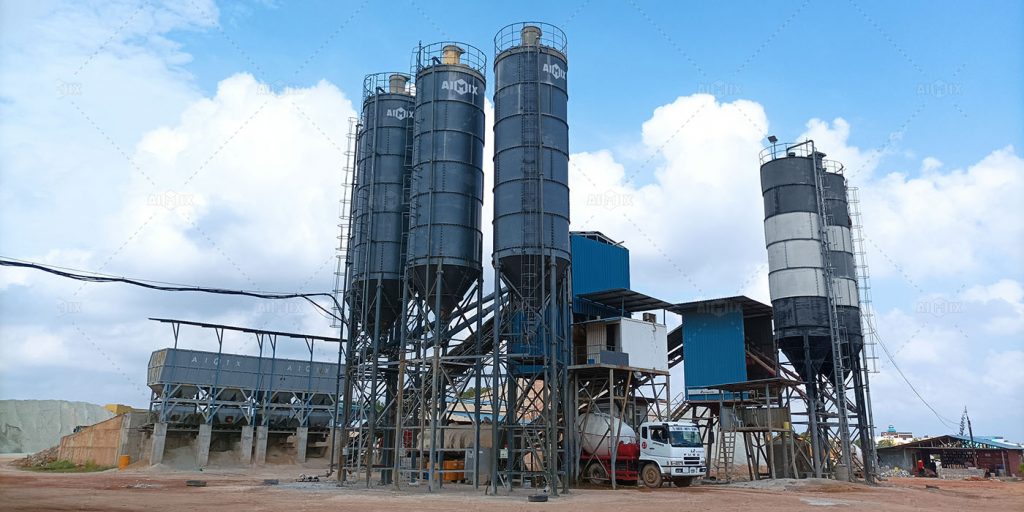
Why Ready-Mix Demand in Greater Jakarta Continues to Grow
Before making any investment decision, it is important to understand the market environment. Greater Jakarta, also known as Jabodetabek, remains one of Southeast Asia’s most active construction zones.
Population growth drives residential construction. At the same time, government infrastructure programs continue to expand roads, bridges, railways, and urban facilities. As a result, the demand for commercial ready-mix concrete remains stable and often increases year after year.
Large and Continuous Project Pipelines
Developers in Greater Jakarta rarely build a single structure. Most projects include multiple buildings or large residential complexes. For example, one residential development may require between 20,000 m³ and 80,000 m³ of concrete during construction.
Similarly, infrastructure projects such as toll roads or rail stations often require continuous daily supply. In these cases, contractors prefer reliable ready-mix suppliers that can guarantee both volume and delivery speed.
Shift Toward Commercial Ready-Mix Supply
Many contractors no longer mix concrete on site. Instead, they rely on professional ready-mix producers. This shift improves quality control and reduces labor costs. Therefore, suppliers who operate efficient batching plants gain a strong advantage in the market.
With this demand background in mind, the next step is to examine the production capability of a 120 m³/h batching plant.
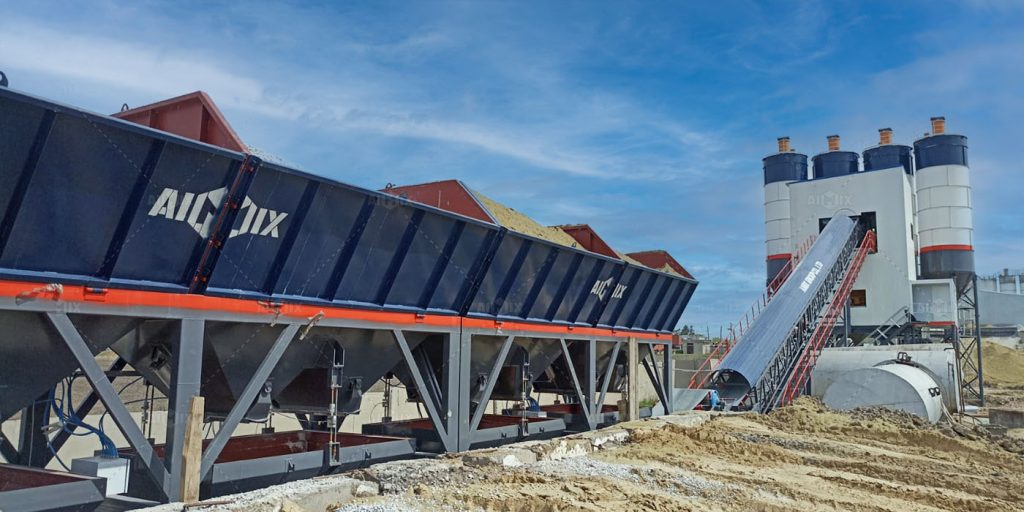
Production Capacity: Can a 120 m³/h Plant Support Long-Term Contracts?
After understanding the market demand, contractors often focus on production capacity. A batching plant must meet daily project requirements while maintaining consistent quality.
Daily Production Potential
A 120 m³/h ready mix concrete batch plant typically produces around 900–1,000 m³ of concrete per day under normal working conditions. This calculation assumes 8 to 10 working hours.
For ready-mix suppliers, this output can support several types of contracts. For example:
- Supplying 400–600 m³ per day to one large construction project
- Serving multiple small building projects simultaneously
- Providing ready-mix to commercial buyers such as contractors and developers
Therefore, one well-managed batching plant can handle both long-term contracts and spot market orders at the same time.
Flexibility for Different Concrete Grades
Another advantage lies in production flexibility. Modern batching plants can quickly switch between different concrete grades. For example, the plant may produce C25 for residential structures in the morning and C35 for infrastructure elements in the afternoon.
This flexibility allows ready-mix suppliers to serve a wider customer base while maintaining efficient plant utilization.
However, capacity alone does not determine investment value. The next key factor is financial return.
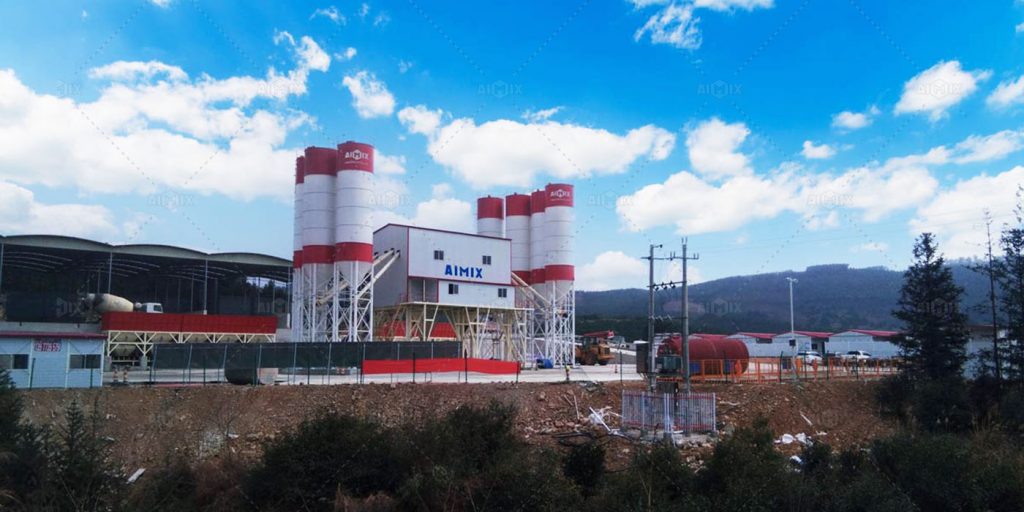
Investment Return: How Long Does It Take to Recover the Cost?
Many investors focus on the payback period. While actual numbers depend on local conditions, a general estimate helps illustrate the potential.
Revenue from Ready-Mix Supply
In the Greater Jakarta market, ready-mix concrete often sells between USD 60 and USD 85 per m³, depending on strength grade and delivery distance.
If a supplier sells 500 m³ per day at an average price of USD 70 per m³, daily revenue could reach approximately USD 35,000.
After deducting raw materials, labor, fuel, and maintenance costs, the plant can still generate a healthy operating margin.
Typical Payback Timeline
For companies that secure stable supply contracts, the investment recovery period may range from 1.5 to 3 years. This timeline becomes even shorter when the plant serves multiple projects simultaneously.
Therefore, for businesses with reliable project pipelines, a 120 m³/h batching plant often represents a financially sound investment.
Beyond financial return, operational advantages also play an important role.
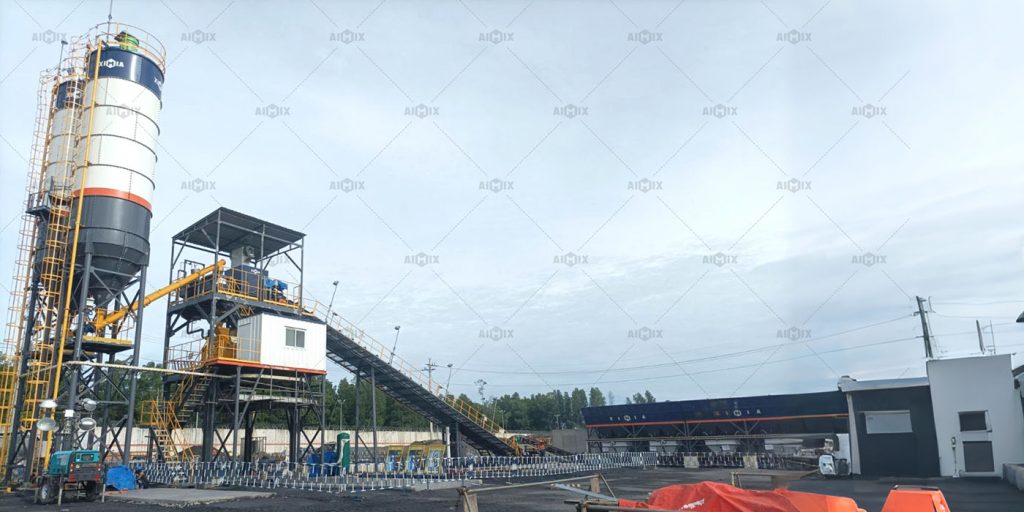
Operational Advantages of Owning Your Own Batching Plant
Many contractors initially rely on external ready-mix suppliers. However, they soon encounter issues such as delivery delays, inconsistent supply, or price fluctuations. Owning a batching plant can solve many of these challenges.
Better Control Over Project Scheduling
Concrete pouring schedules are strict. Even a short delay can disrupt the entire construction workflow. When contractors operate their own batching plant, they control production timing and truck dispatching.
As a result, project managers gain greater confidence in daily construction progress.
Lower Long-Term Material Costs
When companies purchase ready-mix from external suppliers, prices often include transportation and supplier profit margins. By producing concrete internally, contractors reduce these extra costs over time.
In long-term infrastructure or residential development projects, this cost advantage becomes very significant.
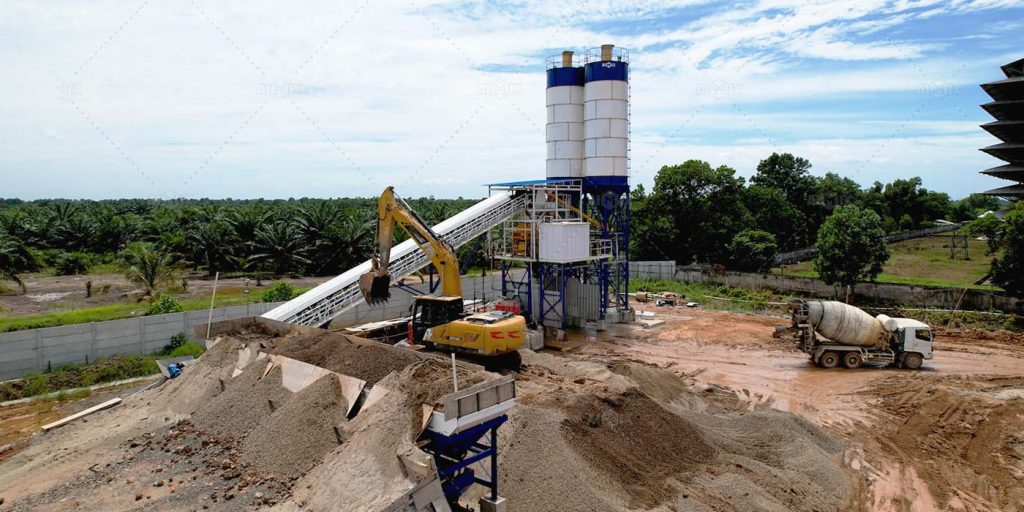
Conclusion: A Strategic Investment for Growing Construction Markets
Greater Jakarta remains one of the most dynamic construction markets in Southeast Asia. Residential expansion, commercial developments, and infrastructure upgrades all require reliable concrete supply.
In this environment, a 120 m³/h concrete batching plant offers several clear advantages. It provides strong production capacity, supports multiple ready-mix contracts, and creates stable long-term revenue. At the same time, it gives contractors greater control over project schedules and material costs.
For companies that plan to serve the ready-mix market or support continuous construction projects in Greater Jakarta, investing in a batching plant is not only practical—it can also become a key step toward long-term business growth.
If you are evaluating a batching plant investment for projects in Indonesia, the AIMIX team can help you analyze your project scale, expected concrete demand, and production requirements. Based on this information, we can recommend a batching plant configuration that fits your long-term ready-mix supply goals and helps your business operate efficiently in the growing Jakarta construction market. Get to know the batching plant harga at right!
No responses yet