
For many developers, controlling cost, schedule, and quality is becoming more difficult than ever. Concrete supply often sits at the center of these challenges. Delays from external suppliers, unstable pricing, and inconsistent mix quality can directly impact project progress. So, a practical question arises: should developers invest in a 35 m³/h small batch concrete plant for internal use?
This article explores the answer from real construction scenarios and business logic. It focuses on what developers truly care about—cost control, flexibility, and long-term returns.
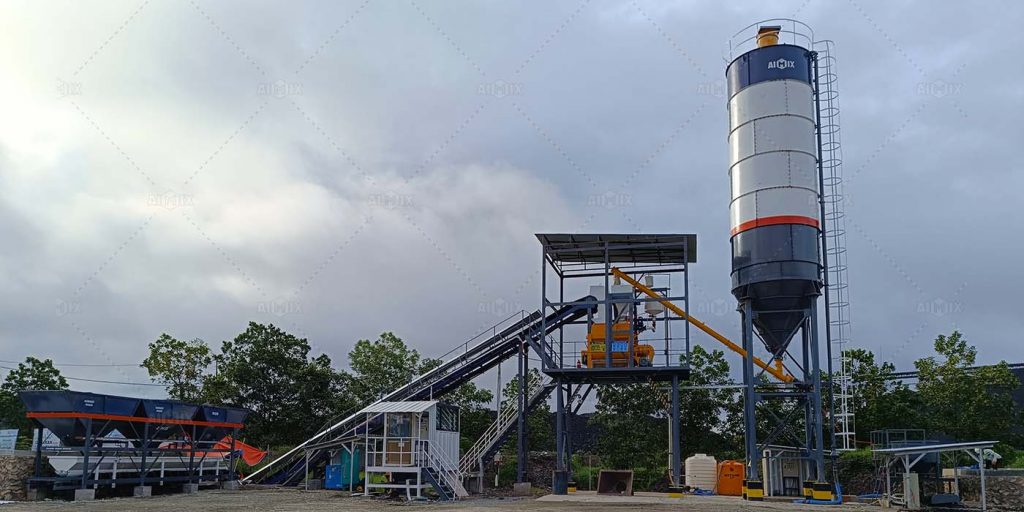
Understanding What a 35 m³/h Plant Really Means
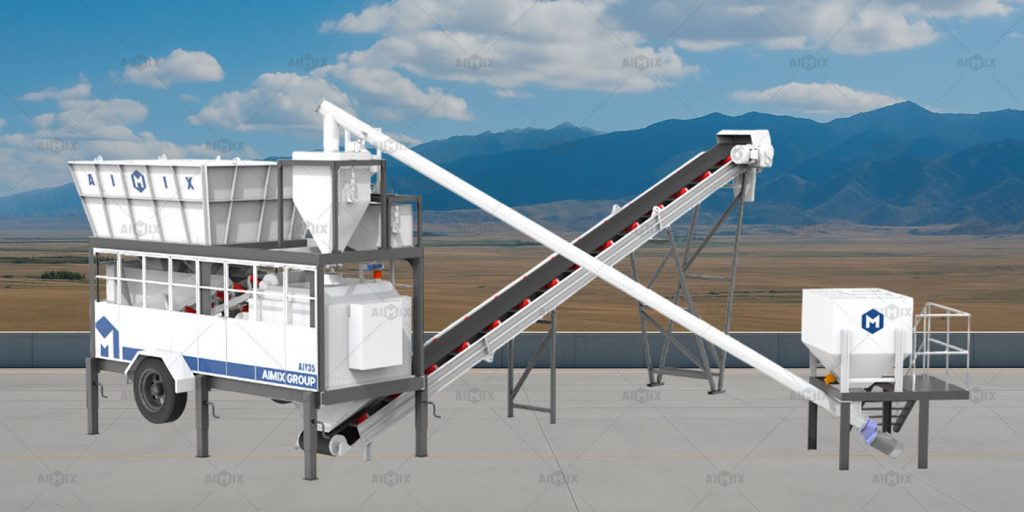
Before making a decision, it is important to understand the actual capability of a 35 m³/h concrete mixing plant.
In simple terms, this type of plant can produce around 35 cubic meters of concrete per hour under standard conditions. That translates to approximately 250–300 m³ per day, depending on working hours and site efficiency. For many projects, this capacity fits well within daily pouring needs.
Therefore, it is not designed for mega infrastructure. Instead, it targets medium-scale, continuous construction projects.
Typical Projects That Match This Capacity
Developers often use a 35 m³/h mini batching plant Indonesia in the following scenarios:
– Residential buildings (low to mid-rise)
– Industrial facilities and warehouses
– Commercial complexes
– Road and municipal infrastructure projects
– Remote or island projects with limited supply access
In these cases, stable and moderate output matters more than extreme capacity.
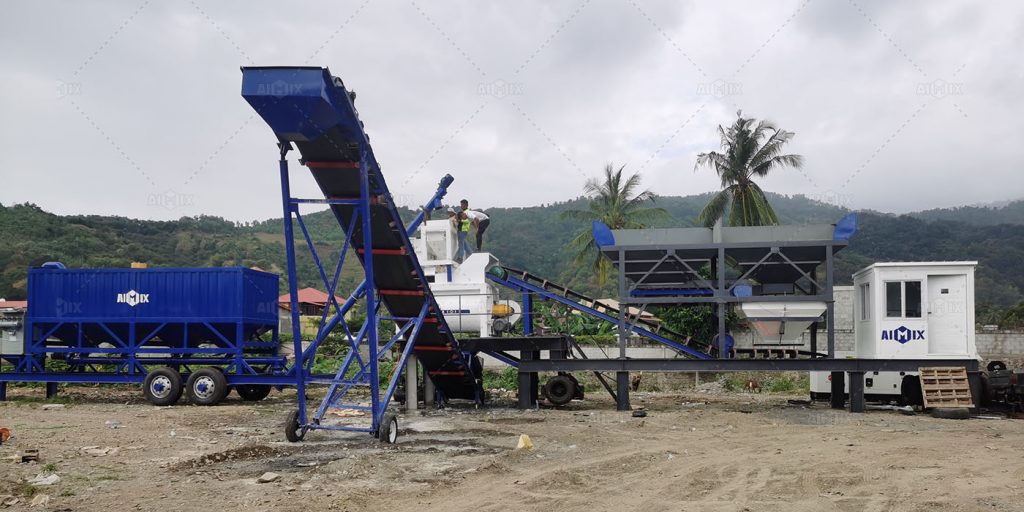
Why Developers Consider Internal Concrete Production
Now that we understand the plant’s role, let’s explore why developers are increasingly considering in-house concrete production.
First of all, reliance on external suppliers creates uncertainty. Delivery delays can stop work entirely. Price fluctuations can break budgets. In contrast, owning a mixing plant gives developers more control.
1. Better Cost Control Over Time
At the beginning, investment may seem high. However, over multiple projects, the cost per cubic meter often drops significantly.
Developers can source raw materials directly. They avoid supplier margins. They also reduce transportation costs, especially for remote projects.
As a result, the total project cost becomes more predictable.
2. More Flexible Construction Scheduling
Next, internal production allows flexible pouring schedules. Developers no longer need to wait for supplier availability.
They can pour early morning, late evening, or even continuously when needed. This flexibility helps speed up project timelines.
In fast-track projects, this advantage becomes critical.
3. Consistent Concrete Quality
In addition, quality control improves with in-house production. Developers can adjust mix designs based on real conditions.
They can monitor materials, water ratio, and mixing time closely. This reduces the risk of defects and rework.
Over time, consistent quality also improves the developer’s reputation.
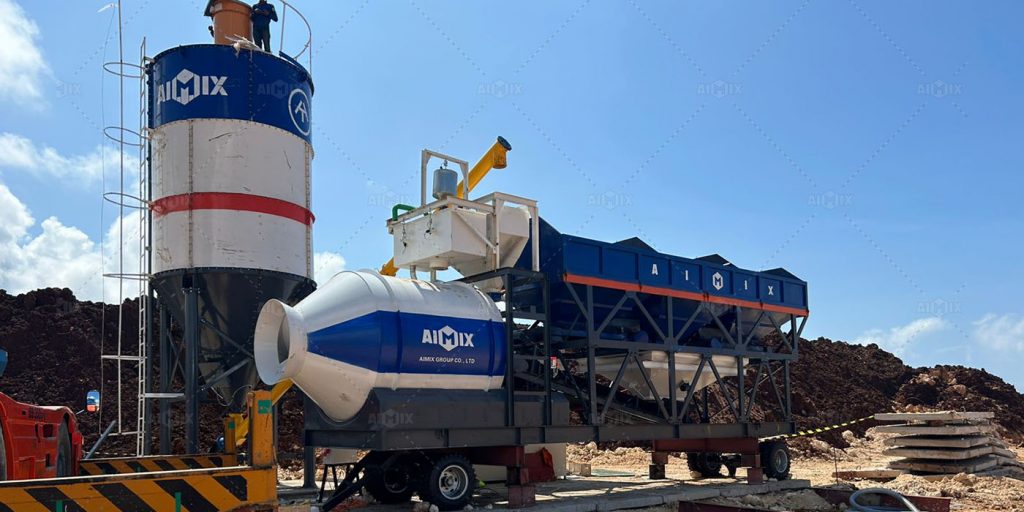
When a 35 m³/h Plant Makes the Most Sense
However, not every project requires a mixing plant. So, when does this investment truly make sense?
Generally, developers benefit most in the following situations.
Projects with Continuous Concrete Demand
If a project requires daily concrete pouring over several months, a 35 m³/h concrete mixing plant becomes highly efficient.
For example, a housing project needing 200–300 m³ per day fits perfectly within this capacity range.
Remote or Supply-Limited Locations
In many regions, especially islands or rural areas, ready-mix supply is unreliable.
Transport distances are long. Delivery times are uncertain. In such cases, owning a plant ensures stable supply.
This directly reduces project risks.
Developers Managing Multiple Projects
Moreover, developers with multiple nearby projects can reuse the same plant.
They can relocate or serve several sites within a region. This improves equipment utilization and return on investment.
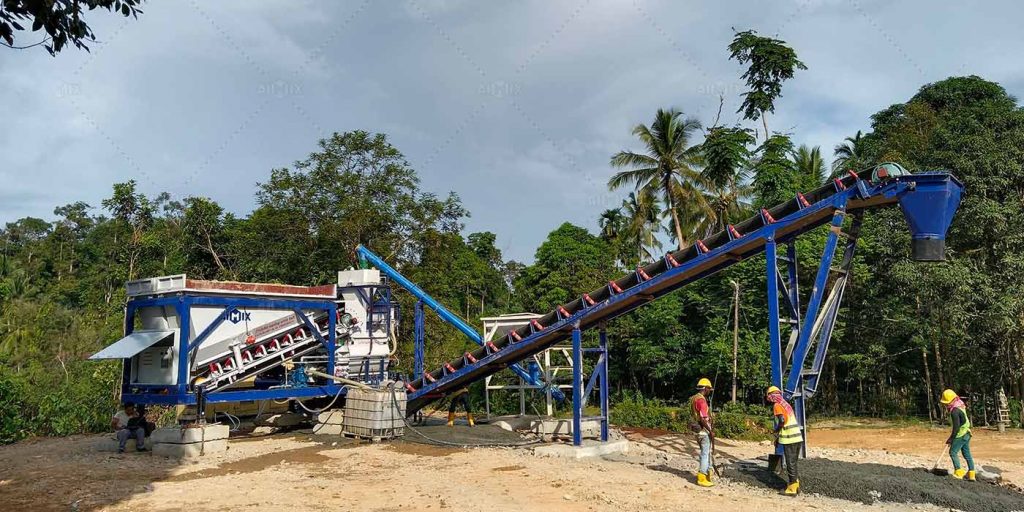
Key Considerations Before Investing
Even though the advantages are clear, developers should evaluate several factors before making a decision.
Initial Investment and Payback Period
A 35 m³/h plant requires upfront capital. This includes equipment, installation, and site preparation.
However, many developers recover this cost within 1–2 years through savings on concrete supply.
The key is to calculate total project volume and compare it with outsourcing costs.
Site Space and Setup Conditions
The plant needs sufficient space for installation, aggregate storage, and truck movement.
Developers should also consider power supply, water access, and local regulations.
Proper planning ensures smooth operation from day one.
Operation and Maintenance Team
Running a plant requires trained operators. Regular maintenance also plays a critical role.
Fortunately, modern plants use automated control systems. This reduces labor intensity and improves efficiency.
Still, a reliable team ensures long-term performance.
Is It a Smart Investment for Developers?
So, should developers invest in a 35 m³/h small concrete mixing plant?
The answer depends on project scale, location, and long-term planning. However, for many developers, the trend is clear.
If you manage ongoing projects, need stable concrete supply, and want better cost control, this investment makes strong business sense.
It is not just about producing concrete. It is about gaining control over your construction process.
Take the Next Step Toward Smarter Construction
In today’s competitive construction market, developers cannot rely only on traditional supply chains. They need flexibility, efficiency, and control.
A 35 m³/h concrete mixing plant offers exactly that. It supports steady production, reduces risks, and improves profitability across projects.
If you are planning your next project or managing multiple sites, now is the right time to evaluate this solution. The right equipment can turn concrete supply from a challenge into a competitive advantage.
No responses yet