
Many contractors in volcanic regions face the same challenge. Volcanic rock is hard, abrasive, and often inconsistent. Yet most road, concrete, and asphalt projects need clean 0–25 mm aggregate with low dust content. When the dust goes above 8%, the material becomes difficult to compact, mixes poorly in batching plants, and often fails quality checks. Because of these issues, many clients keep searching for the best crusher plant machine. I wrote this guide to help you understand what works, why it works, and how you can choose a setup that gives you stable output every day.
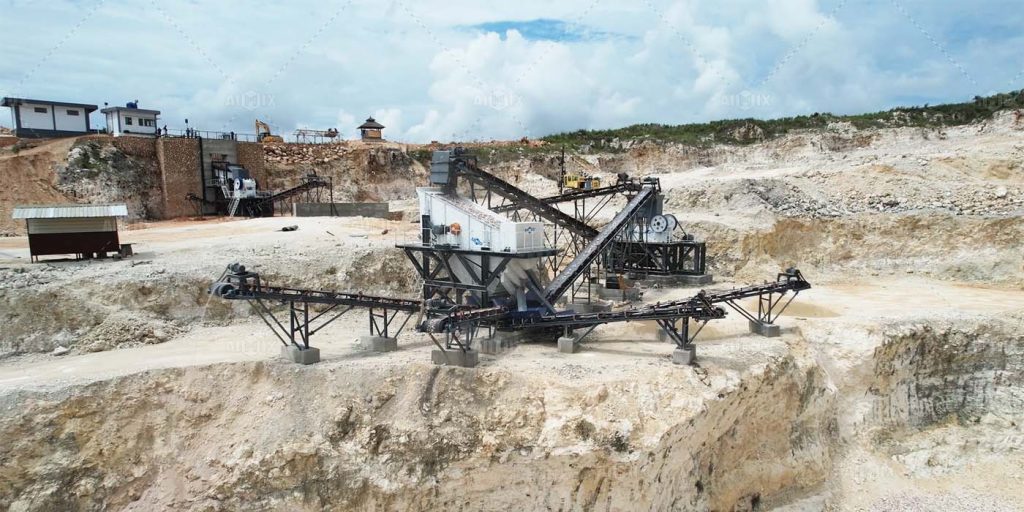
Why Volcanic Rock Requires a Specific Crushing Setup
Volcanic rock breaks differently from limestone or river stone. It has sharp edges, high hardness, and variable density. Therefore, you need a setup that manages impact, controls the shape, and stabilizes the proportion of fines. This understanding helps you choose the right machine for each stage.
Before we go deeper, let me explain how these characteristics affect your production. Hard volcanic stone increases wear and shortens liner life. Irregular shape increases flaky particles. Excessive impact produces too much dust. Because of these factors, each plant must balance strength, shaping ability, and fine control. With this in mind, we continue to the actual plant setup.
The Ideal Primary Crusher for Volcanic Rock
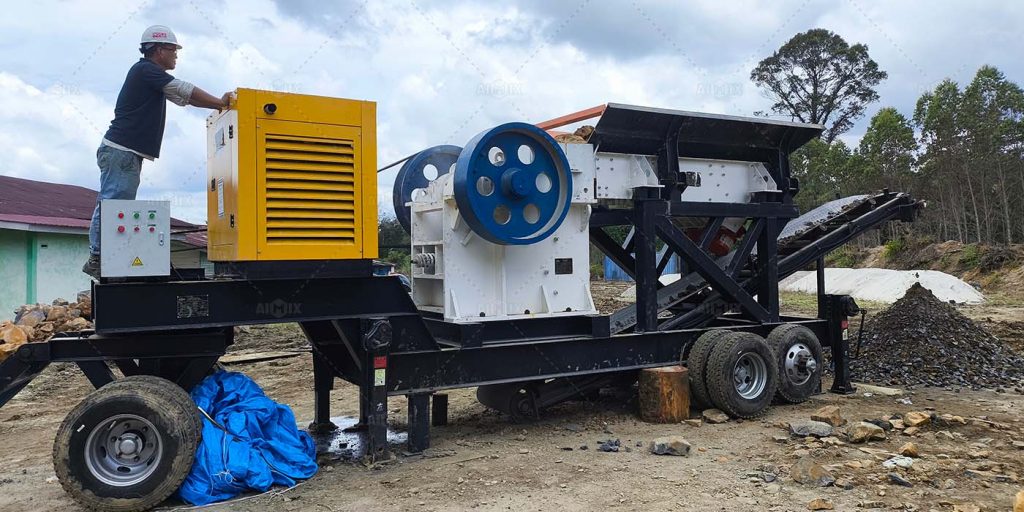
A jaw crushing machine fits most volcanic rock projects because it delivers strong primary breaking without producing excessive fines. Contractors prefer this because jaw crushers create consistent medium-sized feed for the second stage. More importantly, the jaw reduces stress on downstream machines and keeps the dust level under control from the start.
Recommended Model & Settings
I recommend a 600×900 mm or 750×1060 mm jaw depending on your hourly target. These models offer the right balance between throughput and stability. They also handle oversized boulders often found in volcanic deposits. With the correct CSS adjustment, the jaw produces a clean 100–150 mm output that works well for the next stage.
Which Secondary Crusher Produces the Best Shape?
Once you stabilize the primary output, you need strong shaping and controlled reduction. At this stage, the goal is clear: reduce the material to 25–40 mm while keeping flaky particles low. Because volcanic rock is brittle at high impact, you need a machine that handles this characteristic correctly.
Why a Cone Crusher Works Better Than an Impact Crusher
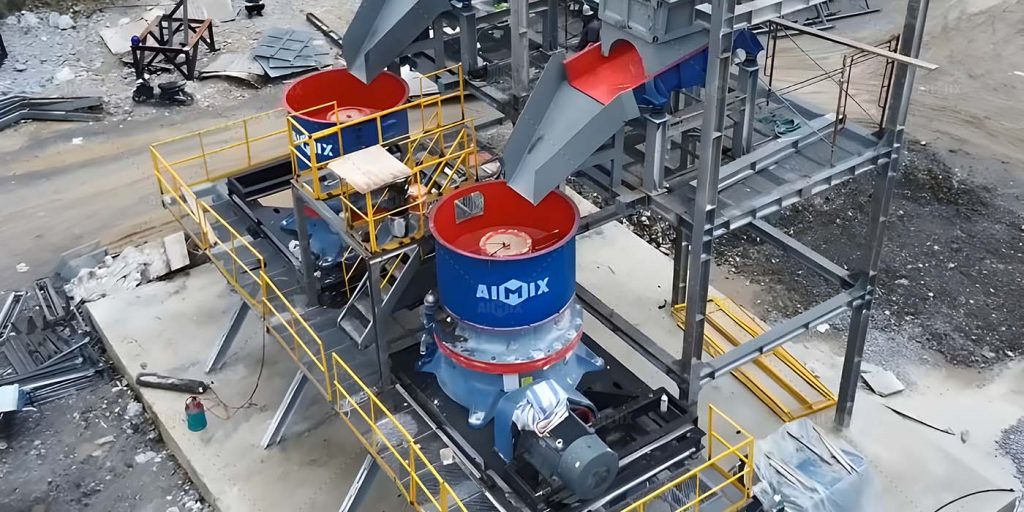
A cone crusher for sale stands out in this application. It compresses the rock instead of hitting it aggressively. This reduces unnecessary fines and protects your dust target. Many contractors start with an impact crusher because it seems cheaper. However, they often face dust problems, high maintenance cost, and unstable gradation. Therefore, a medium crushing cone is the better long-term choice for volcanic rock.
Recommended Secondary Setup
You can use a single-cylinder or multi-cylinder cone depending on your capacity. Multi-cylinder models deliver better shape and tighter control at high throughput. For most 0–25 mm projects, a CSC or MCC series cone works well. These machines create stable 25–40 mm output for the final stage.
The Final Stage: How to Achieve 0–25 mm with Dust < 8%
Now that the secondary stage shapes the material, the last stage focuses on fine control. You want clean 0–25 mm aggregate, uniform shape, and dust below 8%. This requires precise screening and a final shaping step. The transition from secondary to final stage is crucial, so each part must work together smoothly.
Final Shaping Crusher Options
You have two strong options: a vertical shaft impact crusher (VSI) or a high-efficiency sand maker. Both improve cubic shape and remove weak edges. More importantly, both operate with adjustable speed, so you control fines precisely. VSI machines handle volcanic rock well because they use rock-on-rock crushing. This method reduces metallic wear and lowers dust production.
Screening Configuration to Keep Dust Under Control
A 3–4 deck vibrating screen completes the setup. You can adjust the mesh size to remove excessive fines and stabilize the 0–25 mm grading. Many contractors use a washing system when the dust level rises. However, with the correct VSI speed and screening angle, most plants maintain dust below 8% without washing.
Putting Everything Together: Sample Plant Layout
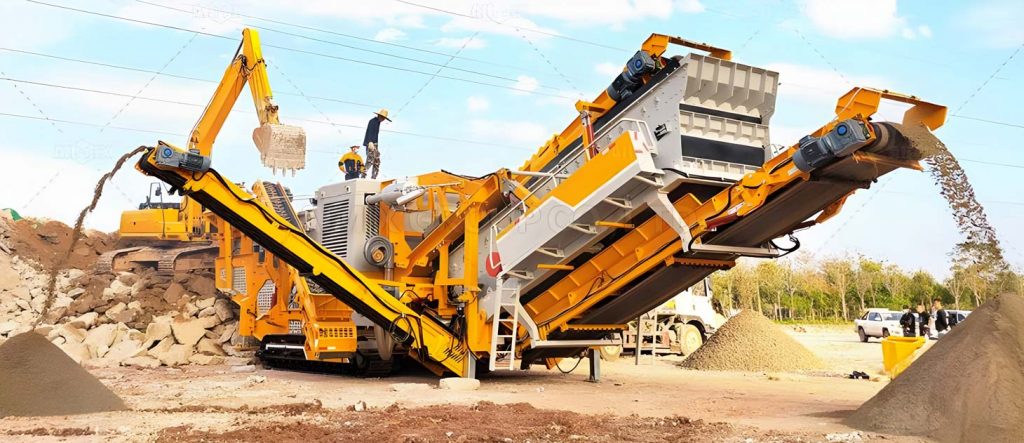
To help you visualize, here is a common setup that many volcanic rock contractors use successfully. This layout gives you clean 0–25 mm material with lower dust, stable production, and reasonable operating cost. It also matches the logic of each stage we discussed.
Complete Setup
1. Vibrating Feeder → Jaw Crusher (100–150 mm output)
2. Cone Crusher (25–40 mm output)
3. VSI Crusher (final shaping)
4. Vibrating Screen (0–5 mm, 5–10 mm, 10–20 mm, 20–25 mm)
This flow creates a stable curve. It controls fines at each step. It protects the VSI from oversize stones. And it gives you the flexibility to adjust the ratio based on your asphalt or concrete needs.
How This Setup Helps Contractors in Real Projects
Contractors choose this setup because it increases efficiency and reduces quality risk. When the plant delivers clean, accurate sizes, batching plants work better. Roads compact better. Concrete achieves stronger bonding. For project owners, this setup reduces material rejection and supports project schedules. For you as the contractor, it means predictable output every day.
Moreover, the setup makes operations easier. Since volcanic rock can be unpredictable, many operators appreciate the consistency of jaw + cone + VSI. Each machine divides the workload logically. Wear becomes manageable. And downtime drops because each stage handles a specific job.
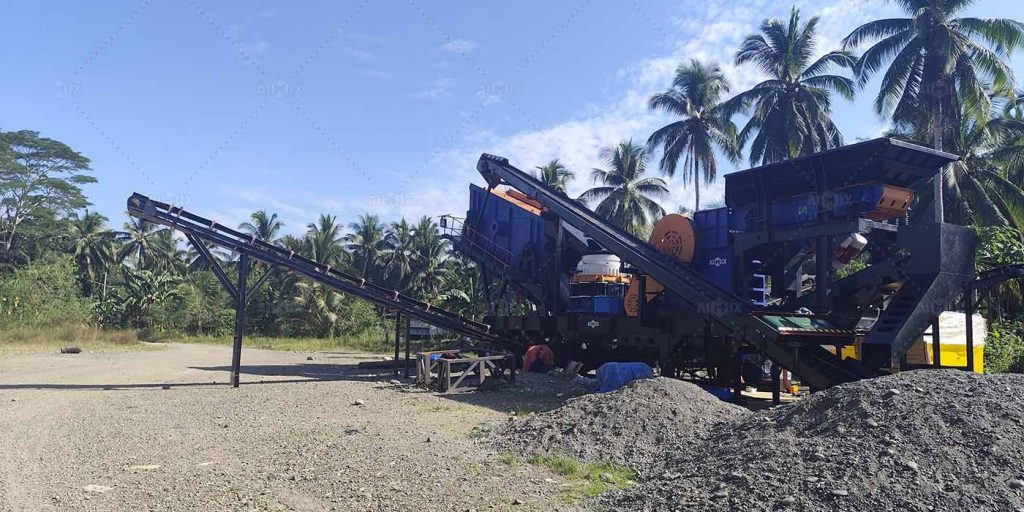
Why You Can Trust AIMIX for Your Volcanic Rock Crushing Project
If you want to build a reliable volcanic rock crushing line in Indonesia, I can help you design it from the start. AIMIX supplies jaw crushers, cone crushers, VSI machines, feeders, and screening systems. More importantly, our Indonesian team handles layout design, on-site guidance, spare parts delivery, and long-term support. Because of this, many local contractors choose us for stable and cost-effective crushing solutions.
If you want a tailored 0–25 mm volcanic rock setup, tell me your feed size, target capacity, and final sizes. I can recommend a complete solution designed for your site.
Contact AIMIX Indonesia today and let me help you build a crushing line that performs reliably, every day.
No responses yet