
“How much should I really prepare to invest in an asphalt plant in Indonesia?”
This is often the first and most critical question contractors ask when planning road construction, municipal paving, or commercial asphalt supply projects. The answer is not a single number. Instead, it depends on your project scale, production goals, location conditions, and long-term business strategy.
In Indonesia, where infrastructure demand continues to grow across islands like Java, Sumatra, Kalimantan, and Sulawesi, investing in a mesin amp aspal can bring strong returns. However, success depends on understanding the full investment picture—not just the equipment price.
In this guide, we break down the real costs, hidden factors, and practical considerations. More importantly, we explain how you can control your budget while still achieving stable production and long-term profitability.
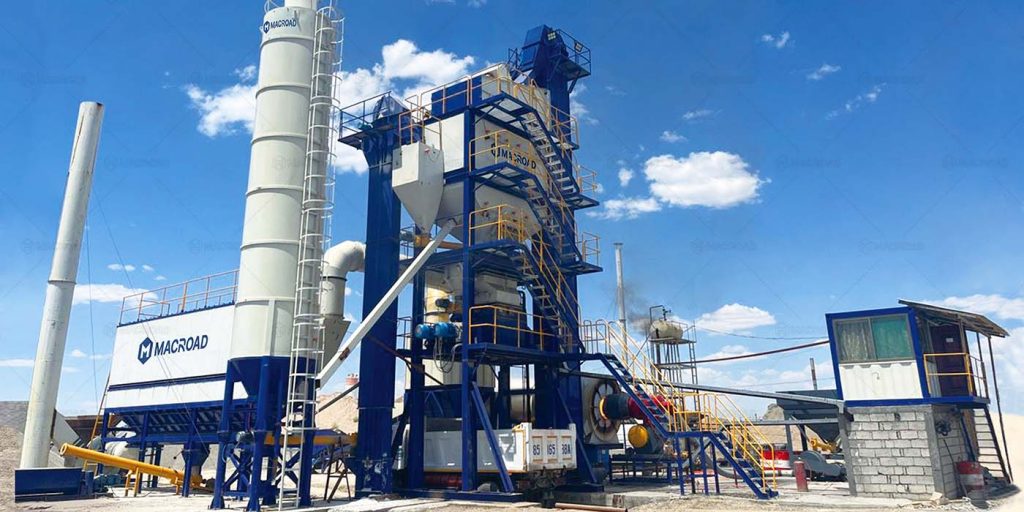
Understanding The Total Investment Structure
Before jumping into numbers, it is important to understand what “total investment” actually includes. Many first-time buyers only focus on plant price. However, the real investment goes far beyond that.
In general, the total cost consists of five major parts:
1. Asphalt Plant Equipment Cost
This is the core investment. It usually takes up 50%–70% of your total budget. The price depends on plant type and capacity:
- 40–80 TPH small asphalt plant: $80,000 – $250,000
- 100–160 TPH medium plant: $250,000 – $600,000
- 200–320 TPH large plant: $600,000 – $1,200,000+
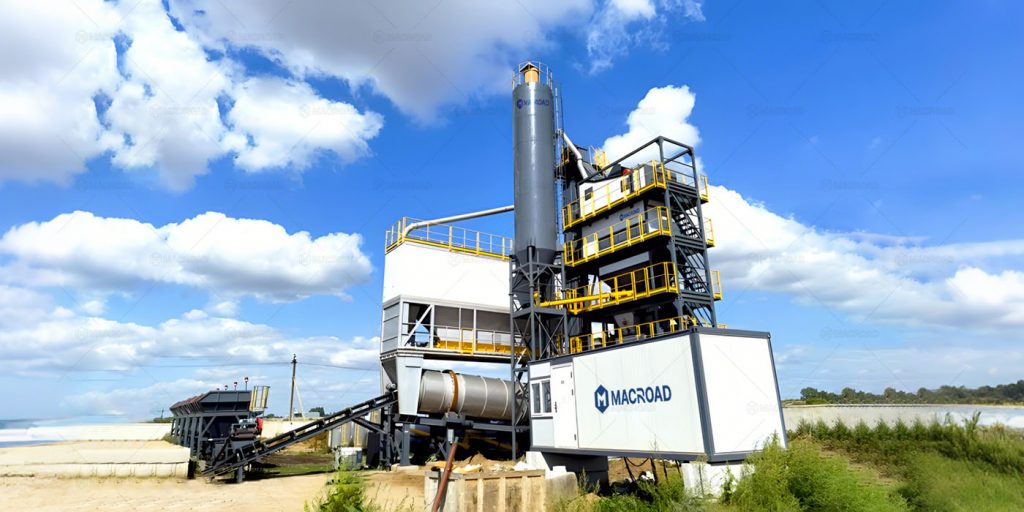
Batch type plants are more popular in Indonesia because they offer flexible production and better mix quality control. Therefore, many contractors prefer them for government road projects.
2. Transportation And Logistics Cost
Indonesia is an archipelago. That changes everything. Transport costs vary significantly depending on your project location.
- Domestic shipping between islands
- Port handling and unloading
- Inland transportation to site
Typically, this cost ranges from $10,000 to $80,000. Remote areas like Papua or inland Kalimantan can cost more.
3. Installation And Foundation Cost
Once the equipment arrives, you still need to install it. This includes:
- Concrete foundation works
- Steel structure assembly
- Electrical system setup
- Commissioning and testing
In Indonesia, installation costs usually range from $20,000 to $100,000, depending on site conditions and plant size.
4. Land And Site Preparation Cost
You need a suitable site. This is often overlooked, but it directly affects long-term operation.
- Land purchase or rental
- Site leveling and drainage
- Access road construction
This cost can range from $30,000 to $200,000+. Urban areas like Jakarta cost more, while rural areas are cheaper but may need more preparation.
5. Operating Capital And Supporting Equipment
Finally, you need working capital to keep the plant running smoothly:
- Wheel loaders
- Bitumen storage tanks
- Diesel or fuel systems
- Labor costs
- Raw material stock
This typically requires an additional $50,000 to $300,000 depending on your operation scale.
Now that you understand the structure, let’s look at how these costs combine in real projects.
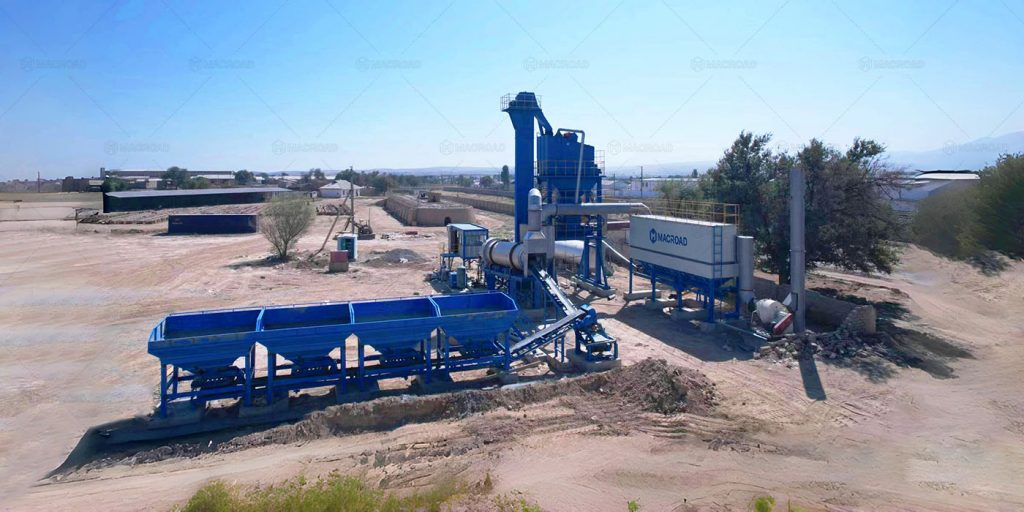
Realistic Total Investment Ranges In Indonesia
Based on actual project cases across Indonesia, we can estimate total investment more clearly. This helps you plan your budget with confidence.
Here are three common scenarios:
Small Contractor Setup (40–80 TPH)
This option suits local road repair and small municipal projects.
- Equipment: $80,000 – $250,000
- Other costs: $100,000 – $200,000
Total investment: $180,000 – $450,000
This setup works well if you handle short-term or scattered projects.
Medium Contractor Setup (100–160 TPH)
This is the most popular choice in Indonesia. It fits government contracts and mid-scale highways.
- Equipment: $250,000 – $600,000
- Other costs: $150,000 – $300,000
Total investment: $400,000 – $900,000
This setup offers a good balance between cost and production capacity.
Large Commercial Setup (200–320 TPH)
This suits large infrastructure companies and commercial asphalt suppliers.
- Equipment: $600,000 – $1,200,000+
- Other costs: $300,000 – $600,000+
Total investment: $900,000 – $1,800,000+
This type delivers high output and long-term profitability.
However, numbers alone do not tell the full story. Next, we explore the key factors that influence your investment.
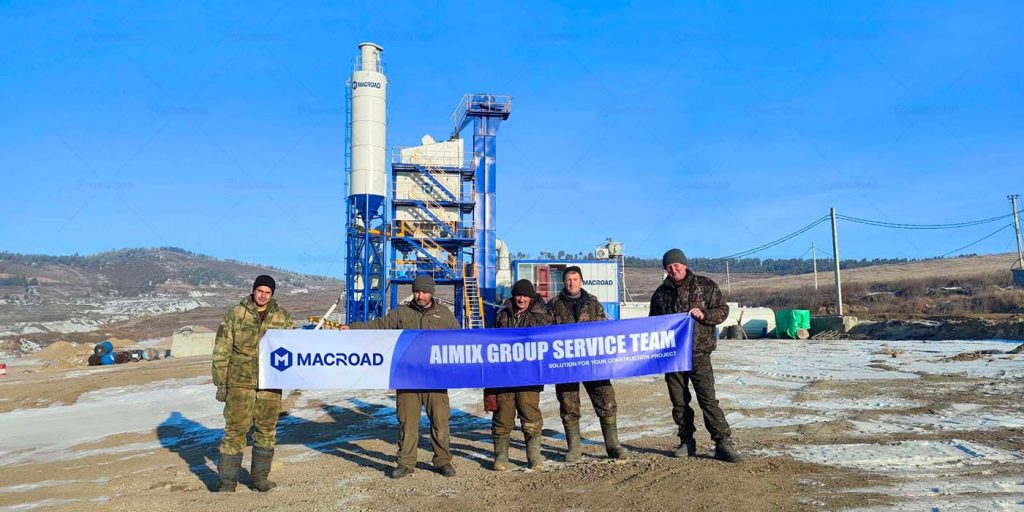
Key Factors That Affect Your Total Investment
Even with similar plant capacity, costs can vary significantly. Understanding these factors helps you avoid unnecessary spending.
Project Duration And Volume
If your project lasts only 6–12 months, a smaller or mobile plant may be a smarter choice. However, for multi-year projects, a stationary plant offers better long-term value.
Mobility Requirements
Indonesia often requires frequent relocation between islands or job sites. Therefore:
- Mobile asphalt mixing plants reduce dismantling time
- Modular asphalt mix plants lower transport costs
This can save tens of thousands of dollars over multiple projects.
Fuel And Energy Costs
Fuel consumption directly impacts operating cost. Efficient burners and drying systems reduce long-term expenses.
In high-humidity regions, aggregates contain more moisture. This increases fuel consumption. Therefore, choosing efficient drying systems becomes critical.
Environmental Compliance
Indonesia is strengthening environmental regulations. You may need:
- Dust collectors
- Noise reduction systems
- Emission control upgrades
These features increase initial investment but reduce regulatory risks.
Now that we understand cost drivers, the next step is learning how to control them effectively.
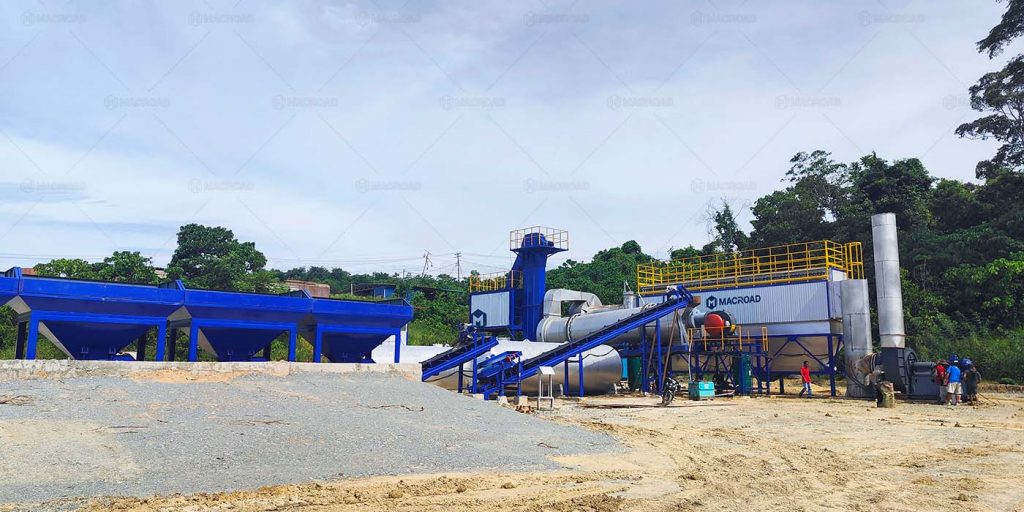
How To Optimize Your Asphalt Plant Investment
Smart planning can significantly reduce your total investment without compromising performance.
Choose The Right Capacity
Do not oversize your plant. Many contractors make this mistake. Instead, match capacity with:
- Daily production demand
- Project timeline
- Budget limits
This avoids unnecessary upfront costs and idle capacity.
Consider Modular Or Mobile Design
Modular plants reduce installation time. Mobile plants reduce relocation cost. Both options improve flexibility across Indonesia’s diverse geography.
Work With Experienced Suppliers
Experienced suppliers help you avoid costly mistakes. They can:
- Recommend suitable configurations
- Optimize layout design
- Provide local installation support
This improves efficiency from day one.
Plan For Long-Term Operation
Think beyond initial cost. Focus on:
- Fuel efficiency
- Maintenance cost
- Spare parts availability
Lower operating cost often matters more than lower purchase price.
With these strategies in mind, let’s connect everything to real business value.
Return On Investment: Is It Worth It?
Despite the initial cost, asphalt plants offer strong returns in Indonesia’s growing infrastructure market.
Here’s why:
- High demand for road construction and maintenance
- Government infrastructure expansion
- Rising need for local asphalt supply
A medium-sized plant can typically recover its investment within 1–3 years, depending on project volume and pricing.
Moreover, owning your own plant gives you full control over production schedule and mix quality. This improves competitiveness and project efficiency.
Finally, you can expand into commercial asphalt supply, creating additional revenue streams.
Start Your Asphalt Plant Project With Confidence
Setting up an asphalt plant in Indonesia is a major decision. However, with the right planning, it becomes a powerful investment that supports long-term growth.
To summarize:
- Total investment ranges from $180,000 to over $1.8 million
- Equipment cost is only part of the picture
- Location, logistics, and operation greatly affect total cost
- Smart planning can significantly improve ROI
If you are planning a project, now is the right time to evaluate your needs carefully. Consider your project scale, timeline, and future expansion plans.
Talk to an experienced asphalt plant supplier, get a customized solution, and make your investment count.
Your pabrik aspal hotmix is not just a cost—it is the foundation of your construction business success in Indonesia.
No responses yet