
Many construction projects today demand fine, consistent, and clean manufactured sand as a substitute for natural river sand. Whether for concrete batching, road base, or asphalt production, achieving a stable sand size of ≤5 mm is crucial. But what kind of portable crushing plant can deliver this efficiently? Let’s explore the best configurations and capacities (TPH) to produce top-quality manufactured sand on-site.
Understanding the Role of Mobile Crusher Plants in Sand Production
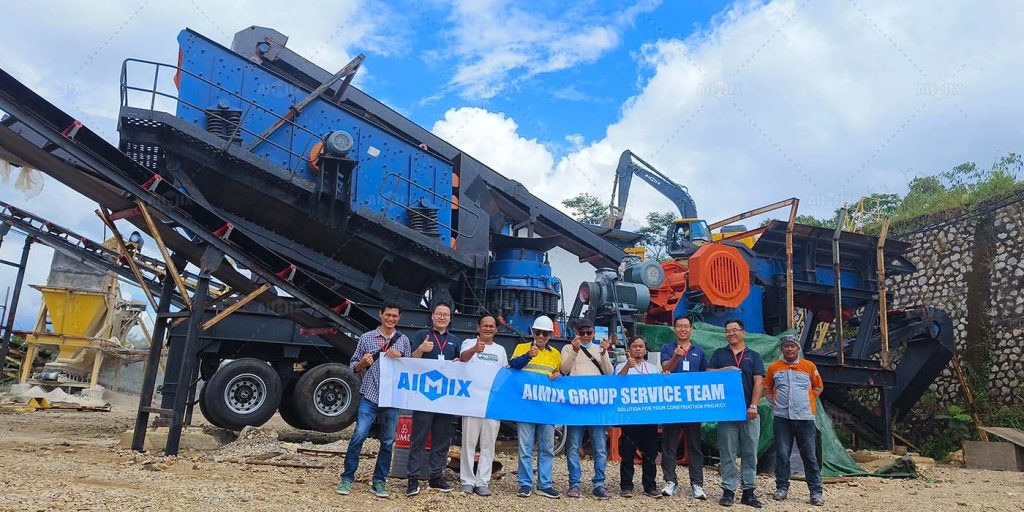
Mobile crusher plants have transformed how contractors produce aggregates and sand. Unlike stationary setups, mobile plants can move directly to the material source, reducing transportation costs and improving production flexibility. They are particularly effective in areas where natural sand is limited or environmental regulations restrict extraction.
However, not every mobile crusher is ideal for sand production. To produce fine aggregates (≤5 mm) with uniform shape, the plant must combine suitable crushers, screening systems, and adjustable output control. Let’s break down what determines the best TPH range and configuration for your needs.
Choosing the Right TPH Capacity Based on Project Needs
When choosing a mobile crusher plant for manufactured sand, production capacity (TPH) directly impacts efficiency and cost-effectiveness. The right capacity depends on your daily production targets, material hardness, and site conditions.
1. 30–50 TPH: For Small-Scale Construction and Local Supply
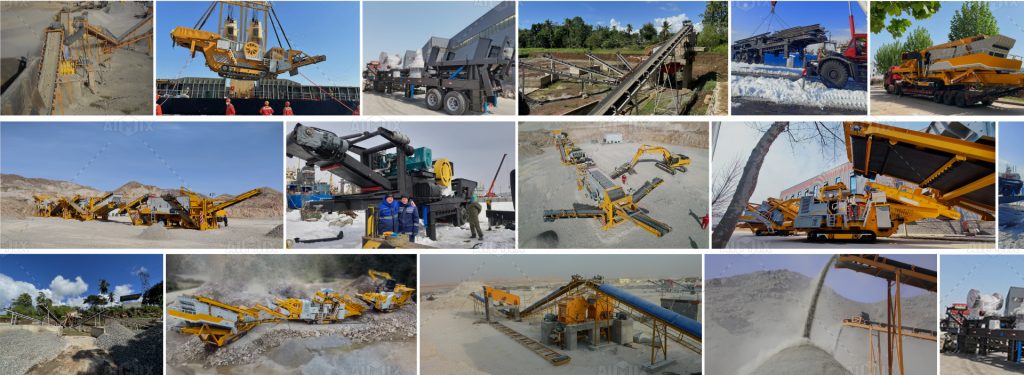
If you’re producing sand for small ready-mix plants or local construction projects, a 30–50 TPH mobile crusher is usually enough. It can handle around 300–400 tons of raw stone per day and produce fine sand consistently. A compact setup with a jaw crusher, impact crusher, and vibrating screen works perfectly for limestone or river pebble materials.
2. 50–100 TPH: For Medium-Sized Concrete or Asphalt Producers
For mid-size projects such as regional batching plants or municipal road works, a 50–100 TPH mobile crusher offers better balance between mobility and productivity. The plant can produce up to 600–800 tons of fine sand daily. With a cone crusher or vertical shaft impact VSI crusher as the final stage, you can achieve precise control of ≤5 mm particle size and excellent grain shape.
3. 100–200 TPH: For Commercial Sand Production and Sale
If your goal is to sell manufactured sand commercially or supply multiple projects, a 100–200 TPH mobile crusher plant provides the best return. These setups often include a jaw crusher for primary crushing, a cone crusher or VSI for fine shaping, and a multi-layer vibrating screen for grading. The high output and stable grain shape make it ideal for producing premium concrete and asphalt sand.
So, selecting the right capacity isn’t only about size—it’s about balancing investment, production stability, and the quality of the final sand product.
Key Crusher Types for Producing ≤5 mm Manufactured Sand
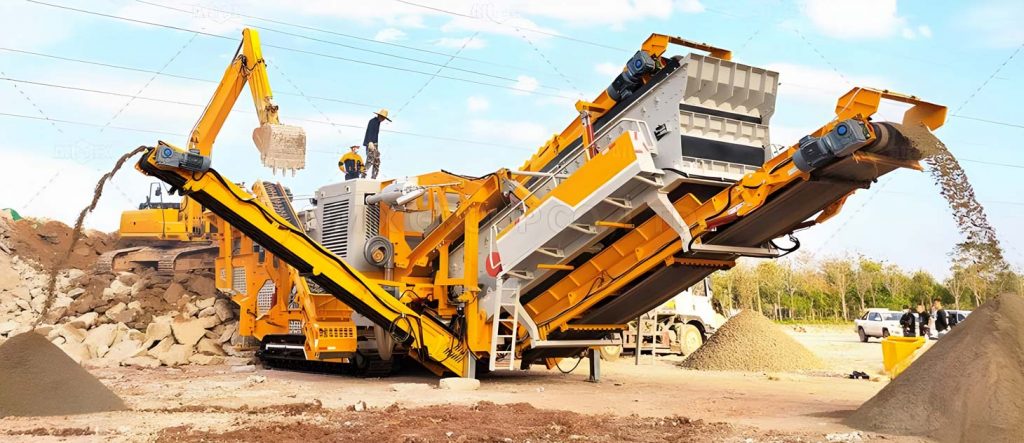
Different types of crushers affect sand shape, texture, and gradation. Understanding their characteristics helps you decide which combination suits your material and production goals.
1. Jaw Crusher – For Primary Size Reduction
The stone jaw crusher machine breaks large rocks into smaller pieces, preparing them for fine crushing. It ensures stable feeding and reduces material pressure in the next stage.
2. Cone Crusher – For Medium and Hard Stone
The cone crusher produces well-shaped aggregates, ideal for producing high-strength concrete sand. It’s perfect for granite, basalt, and hard limestone.
3. Vertical Shaft Impact (VSI) Crusher – For Fine and Uniform Sand
The VSI crusher is the heart of manufactured sand production. It shapes aggregates into fine, rounded particles with excellent grading. When targeting ≤5 mm output, VSI is essential in the final stage.
By combining these crushers strategically, you can produce sand with a clean, consistent texture that meets construction standards.
Other Factors That Influence Manufactured Sand Quality
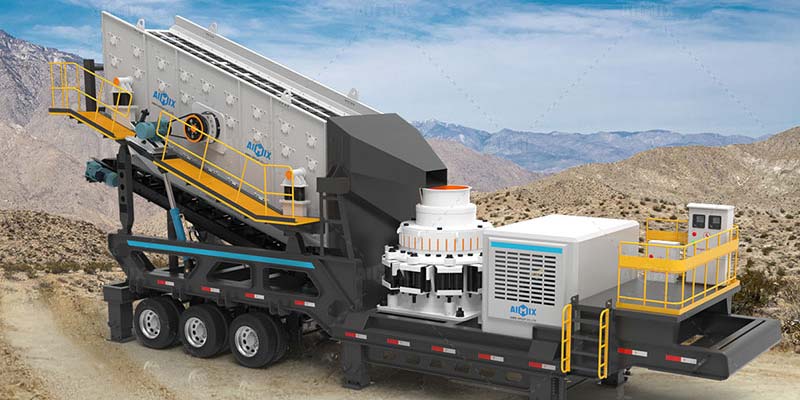
Even with the right crusher setup, several other factors determine final sand quality:
- Feed size and material hardness: Consistent feed improves shaping efficiency and reduces wear.
- Screening system: Multi-layer vibrating screens ensure precise separation of ≤5 mm particles.
- Dust removal: Integrated dust collectors and water spray systems keep the sand clean and reduce fines loss.
- Control system: Intelligent PLC control helps adjust crusher speed, feed rate, and screen mesh for stable output.
All these details together make a big difference in the final sand quality and production cost.
Why I Recommend AIMIX Mobile Crusher Plants for Manufactured Sand
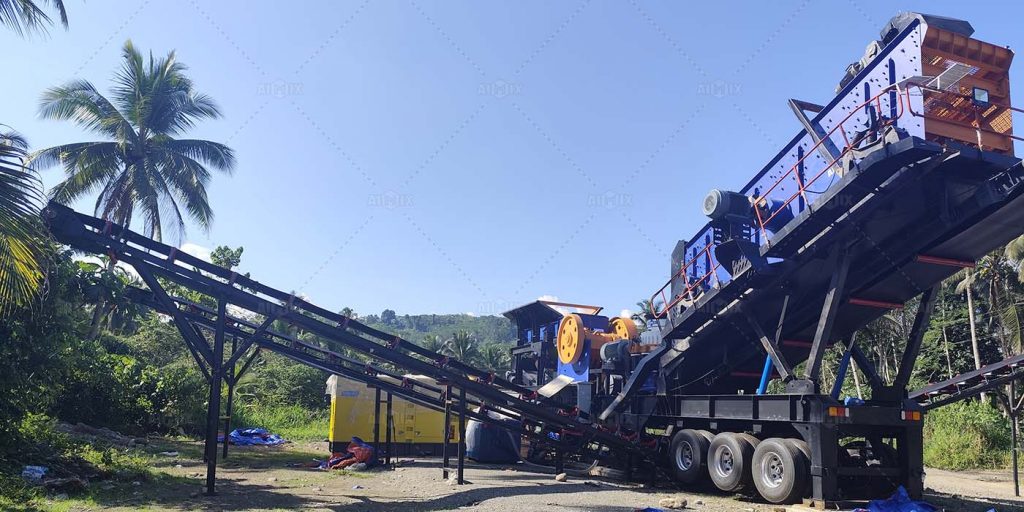
If you’re considering investing in a mobile crusher for sand production, I recommend looking into AIMIX mobile crusher plants. They are designed to handle various materials—from limestone and basalt to river pebbles—and produce fine sand with ≤5 mm output. Each plant comes with flexible configuration options (30–200 TPH) and efficient crushers like VSI, cone, and impact crushers.
Moreover, AIMIX offers localized after-sales service, quick spare parts supply, and on-site installation guidance in Indonesia and many other countries. This support ensures your plant starts running smoothly and delivers consistent quality from day one.
Conclusion: Invest in the Right Capacity, Get the Right Sand
In short, selecting the best TPH mobile crusher plant for ≤5 mm manufactured sand depends on your project scale and material type. Small producers can rely on 30–50 TPH setups, while commercial sand suppliers benefit from 100–200 TPH configurations with VSI crushers. No matter your project size, focusing on efficiency and sand quality ensures long-term profitability.
If you’d like to explore a customized mobile crusher plant for your sand production business, contact me today. I’ll help you choose the right configuration to produce high-quality manufactured sand that meets your project standards and boosts your production efficiency.
No responses yet