
For many small and medium-sized contractors, daily concrete demand often stays below 200 m³. These projects include village roads, low-rise buildings, small bridges, drainage works, and rural infrastructure upgrades. In these situations, choosing the right concrete pump becomes an important financial decision. The wrong equipment may increase fuel consumption, labor cost, and idle time. On the other hand, the right solution can improve efficiency while keeping investment reasonable.
So which pompa beton offers the best balance between price, productivity, and flexibility for projects under 200 m³ per day? The answer depends on several factors, including job site conditions, labor availability, project mobility, and concrete supply method. In most cases, contractors compare three main solutions: concrete mixer pumps, concrete trailer pumps, and small concrete boom pumps. Each option fits different construction scenarios.
To help contractors make a practical decision, let’s explore how each type performs in real projects and where it delivers the best cost efficiency.
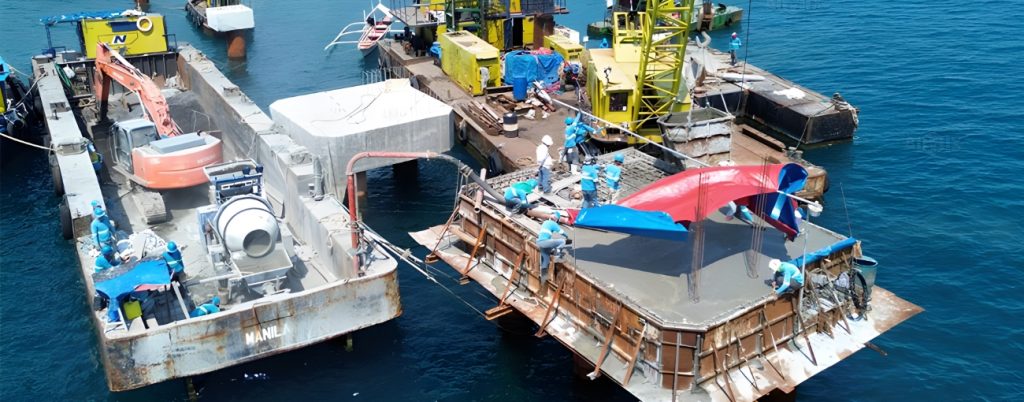
Understanding The Daily Production Requirement Of Small And Medium Projects
Before choosing a pump, contractors should first evaluate the actual project demand. A daily concrete volume below 200 m³ usually indicates small to medium construction works rather than continuous large-scale infrastructure.
For example, many common projects fall into this category:
Village And Rural Road Construction
Concrete road paving projects in developing regions often require 80–150 m³ per day. Contractors usually work with limited labor and compact equipment. Mobility and quick setup matter more than extremely high pumping capacity.
Low-Rise Residential Buildings
Small housing developments or 3–5 story buildings often pour 60–120 m³ per day. The pump must deliver stable concrete while fitting within tight urban or suburban job sites.
Small Bridges And Drainage Projects
Municipal infrastructure projects frequently require 100–180 m³ per day during peak pouring periods. Equipment reliability and easy relocation between sites become key factors.
Once contractors clearly understand the daily demand, they can focus on equipment that matches this production level instead of investing in oversized machines.
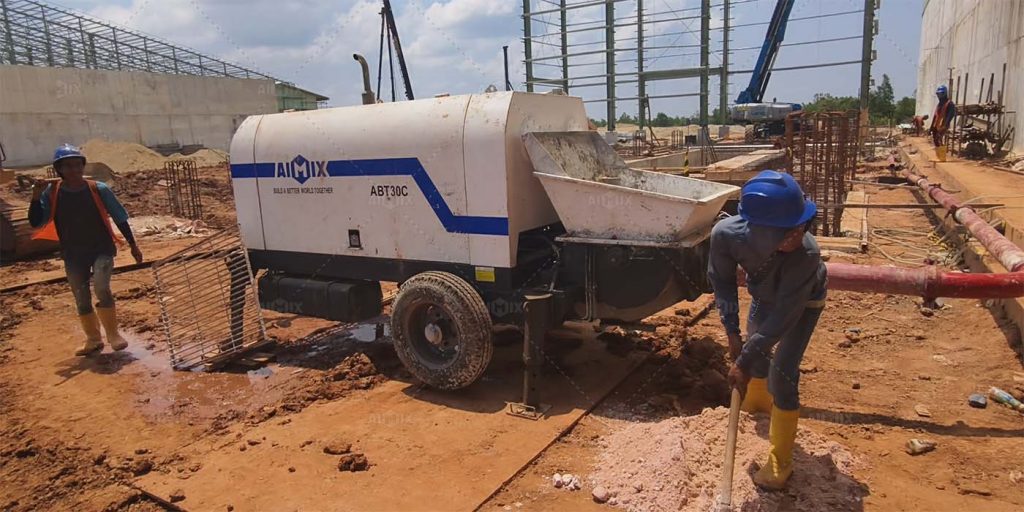
Concrete Mixer Pump: The Most Cost-Effective Solution For Many Small Projects
For contractors who handle projects under 200 m³ per day, the concrete mixer pump often delivers the best cost-performance ratio. This machine combines mixing and pumping into one unit. As a result, it reduces equipment investment and simplifies job site operations.
Why Mixer Pumps Are Popular
First, a cement mixer with pump eliminates the need for a separate batching plant or transit mixers. Workers can load sand, cement, aggregate, and water directly into the mixer. The machine then mixes and pumps the concrete continuously.
Second, the equipment requires fewer workers. A small crew of 4–6 people can operate the system efficiently. Labor cost therefore remains low, which is important for contractors working in rural or developing markets.
Third, the pumping output usually reaches 30–40 m³ per hour. This capacity comfortably supports daily pouring volumes between 80 m³ and 200 m³.
Typical Applications
Concrete mixer pumps perform well in projects such as:
• Rural road construction
• Small building foundations
• Farm infrastructure
• Irrigation channels
• Remote construction sites
Because the machine combines multiple functions, many contractors consider it the most economical solution for early-stage businesses or projects with limited budgets.
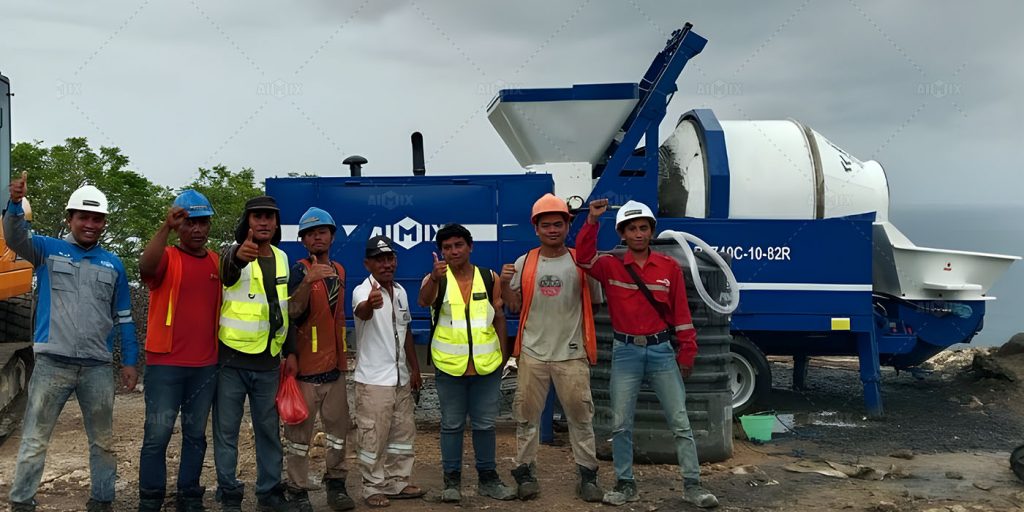
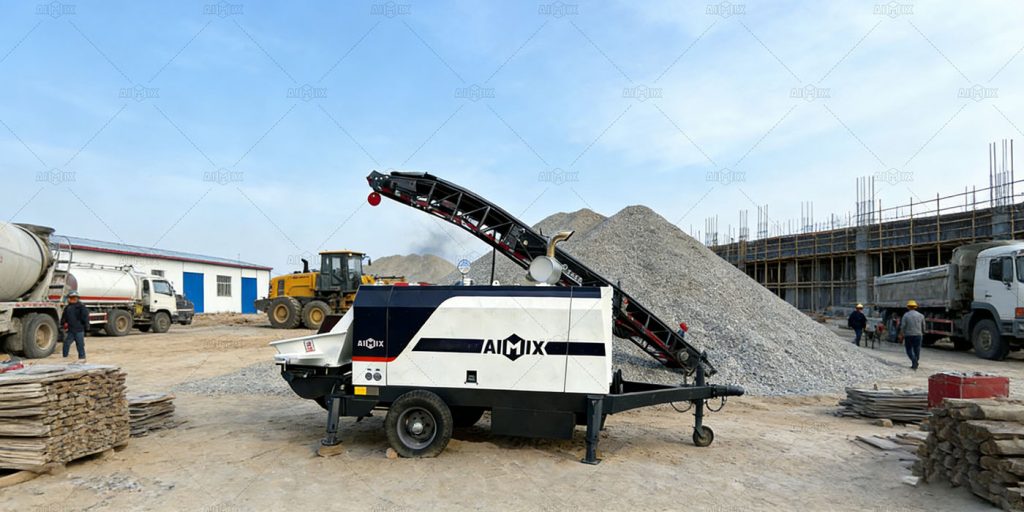
Concrete Trailer Pump: A Reliable Option When Ready-Mix Concrete Is Available
However, not all contractors produce concrete on site. In cities or developed construction markets, ready-mix concrete plants supply most projects. In these cases, a concrete trailer pump may become the more practical solution.
Unlike mixer pumps, trailer pumps focus purely on pumping performance. Ready-mix trucks deliver the concrete directly into the hopper. The concrete pump kodok then transports it through pipelines to the pouring location.
Key Advantages
One major advantage is higher pumping pressure and longer delivery distance. Trailer pumps can move concrete vertically to taller buildings or horizontally across large foundations.
In addition, these pumps handle higher output rates. Many models deliver 40–60 m³ per hour. This capacity easily supports daily volumes near the 200 m³ range.
When Contractors Should Choose A Trailer Pump
Trailer pumps work best when:
• Ready-mix supply is stable
• The project requires longer pumping distance
• Concrete quality control comes from a batching plant
• Contractors want stronger pumping pressure
Although the initial price may be slightly higher than mixer pumps, trailer pumps still offer excellent long-term value in urban construction environments.
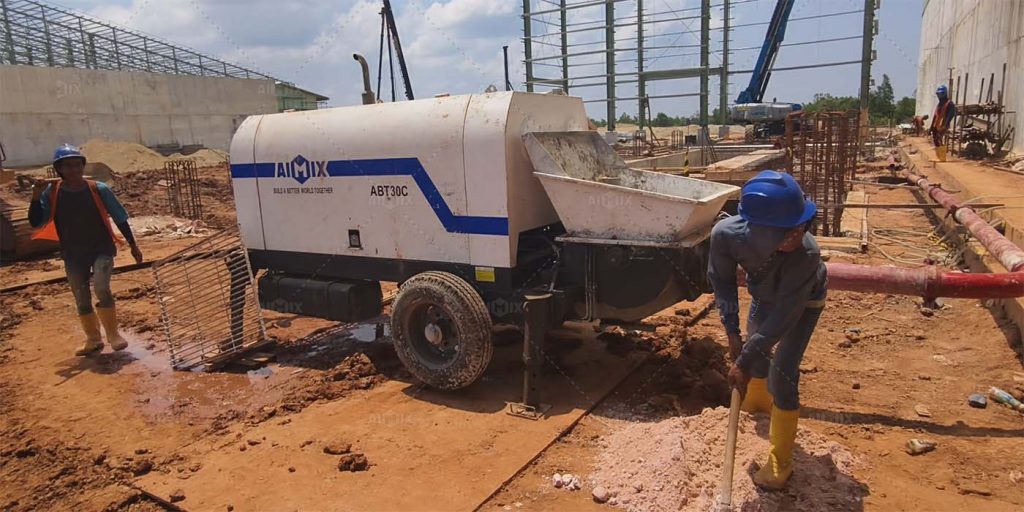
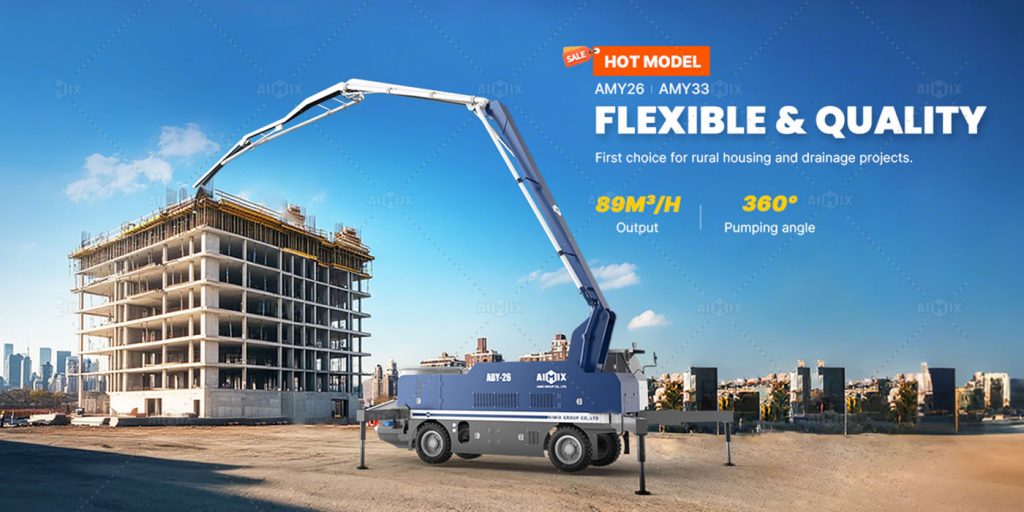
Small Concrete Boom Pumps: Efficiency For Complex Job Sites
Some contractors face difficult job site conditions where pipelines become inconvenient. Narrow streets, multi-story structures, and obstacles can slow down traditional pumping methods. In these situations, small concrete boom pumps provide another efficient option.
Improved Placement Efficiency
A boom pump uses a hydraulic arm to place concrete directly at the pouring point. Workers can move the boom quickly across the work area. This approach reduces pipeline installation and cleaning time.
Best Use Cases
Small boom pumps often serve projects such as:
• Residential building slabs
• Urban commercial buildings
• Projects with frequent pour location changes
However, contractors should note that boom pumps require higher investment and maintenance costs. Therefore, they usually become cost-effective only when projects demand faster placement speed or more complex pouring positions.
How Contractors Can Choose The Most Cost-Effective Pump
Although several pumping options exist, contractors can simplify the decision by considering three key factors.
1. Concrete Supply Method
If the project mixes concrete on site, a mixer pump offers the best integrated solution. If ready-mix trucks supply concrete, a trailer pump becomes more suitable.
2. Project Mobility
Contractors who frequently move between small sites benefit from compact equipment with quick setup times.
3. Budget And Long-Term Workload
When contractors expect steady project demand, investing in higher-capacity pumping equipment may improve long-term returns.
By evaluating these factors, contractors can avoid overspending while still maintaining efficient construction operations.
Choosing The Right Equipment Helps Contractors Stay Competitive
In small and medium construction projects, equipment efficiency directly affects profitability. A concrete pump that matches the project scale helps contractors control cost, improve work speed, and handle more jobs throughout the year.
For projects under 200 m³ per day, concrete mixer pumps often deliver the most economical solution, especially in remote or developing regions. Meanwhile, trailer pumps provide strong performance when ready-mix supply is available. In more complex urban sites, small boom pumps may further improve placement efficiency.
If you are planning to invest in a concrete pump for small or medium construction projects, choosing the right configuration makes all the difference. Our team can help you evaluate your project requirements and recommend a practical pumping solution that fits your budget and daily production needs.
Contact us today to discuss your project details and find the most cost-effective concrete pumping equipment for your construction business.
No responses yet