
Choosing the right concrete pumping equipment can directly affect your project schedule, labor cost, and overall profitability. Many contractors ask the same question before investing in equipment: What projects are suitable for a 60 m³/h concrete trailer pump?
A 60 m³/h concrete trailer pump offers an excellent balance between pumping capacity, operating cost, and flexibility. It delivers enough concrete for medium to large construction projects while remaining easier to transport and maintain than larger pumping systems. For many contractors, it provides the capacity needed without paying for equipment that exceeds actual demand.
This article explains where a 60 m³/h concrete pump trailer for sale performs best, how to estimate whether it matches your project, and why many construction companies choose this capacity for residential, commercial, municipal, and infrastructure work.
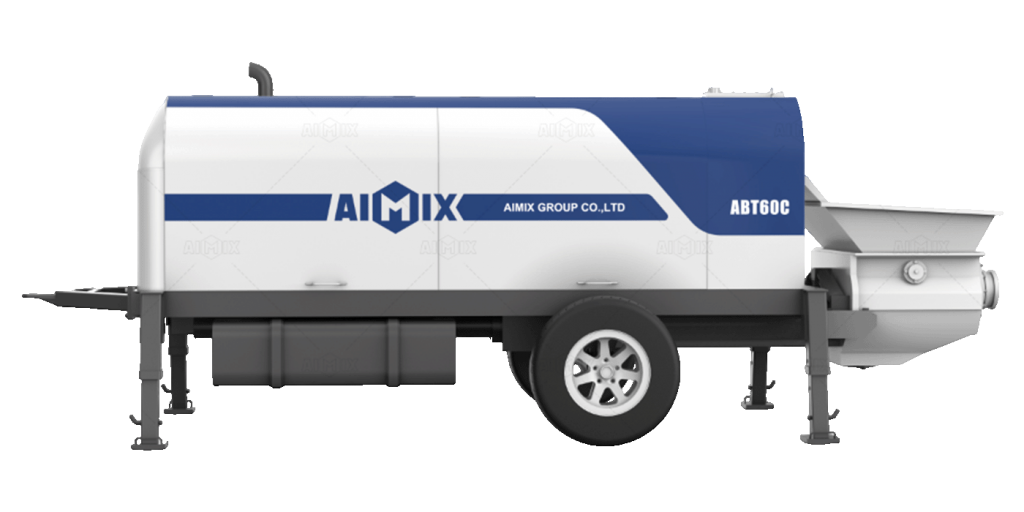
Why Is A 60 M³/H Concrete Trailer Pump A Popular Choice?
Before discussing project applications, it helps to understand why this capacity attracts so many contractors. Instead of focusing only on maximum output, experienced builders evaluate equipment based on efficiency, project size, and daily concrete demand.
A 60 m³/h concrete trailer pump can continuously transport fresh concrete through pipelines over long distances and heights. Under normal site conditions, it supports steady concrete placement while reducing manual handling. As a result, crews can complete pours faster and maintain better concrete quality.
Compared with smaller pumps, a 60 m³/h model handles larger daily workloads. Compared with larger boom pumps, it requires a lower investment and offers greater flexibility for different job sites.
Main Advantages
• Suitable for medium and large concrete pours
• Supports continuous concrete placement
• Reduces labor intensity and waiting time
• Flexible pipeline layout for complex sites
• Lower operating cost than oversized pumping equipment
• Compatible with ready-mix plants and on-site batching plants
Residential Housing Developments Are An Ideal Application
Now that we understand its general advantages, let’s look at the projects where this pump creates the most value. Residential construction remains one of the largest application areas.
Many housing developments require repeated concrete pouring for foundations, columns, beams, slabs, and internal roads. Daily concrete demand usually ranges from 200 to 500 m³. A 60 m³/h concrete trailer pump easily supports this production schedule.
Developers also appreciate stable pumping performance because it helps maintain construction progress across multiple buildings. Instead of moving heavy equipment between blocks, contractors can extend pipelines and continue pumping efficiently.
Typical Residential Projects
• Apartment complexes
• Affordable housing projects
• Residential communities
• Villas and luxury homes
• Mixed residential developments
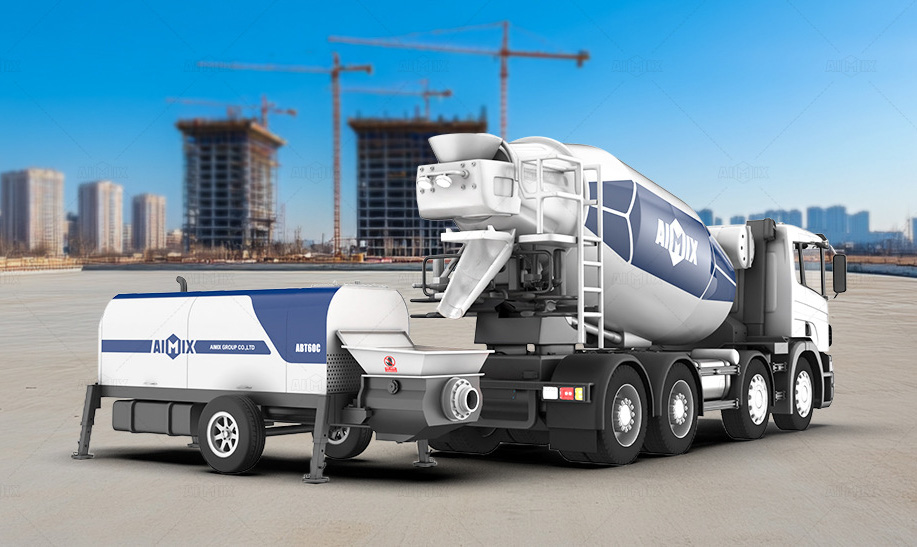
Commercial Buildings Benefit From Continuous Concrete Placement
Besides residential construction, commercial projects often demand higher efficiency and tighter schedules. Therefore, pumping capacity becomes even more important.
Shopping centers, office buildings, hotels, hospitals, and schools require large structural pours. Contractors usually need continuous concrete supply to avoid cold joints and maintain structural quality.
A 60 m³/h fixed concrete pump can continuously deliver concrete to upper floors through vertical pipelines. This helps reduce crane dependency and improves overall construction efficiency.
Suitable Commercial Projects
• Office buildings
• Shopping malls
• Hotels
• Hospitals
• Universities
• Warehouses
Industrial Facilities Often Require This Pumping Capacity
As project size increases, industrial construction places even greater demands on pumping equipment. Fortunately, a 60 m³/h trailer pump handles these requirements well.
Factories often require thick concrete foundations, heavy equipment bases, storage areas, and reinforced floors. These pours consume large concrete volumes within limited construction windows.
With continuous pumping, contractors can finish large foundation slabs faster while maintaining consistent concrete quality.
Industrial Applications
• Manufacturing plants
• Logistics centers
• Industrial parks
• Equipment foundations
• Steel structure workshops
• Distribution centers
Road And Bridge Construction Is Another Excellent Match
In addition to building construction, infrastructure projects frequently rely on trailer pumps. Their flexibility makes them suitable for projects where access remains challenging.
Bridge piers, retaining walls, culverts, drainage systems, and highway structures often require concrete pumping over long horizontal distances. A trailer pump allows crews to position the equipment safely while extending pipelines to the pouring location.
Because infrastructure projects usually move from one section to another, contractors value the pump’s mobility and relatively quick setup.
Infrastructure Projects
• Highway construction
• Municipal roads
• Bridge foundations
• Bridge piers
• Flyovers
• Tunnel entrances
• Drainage systems
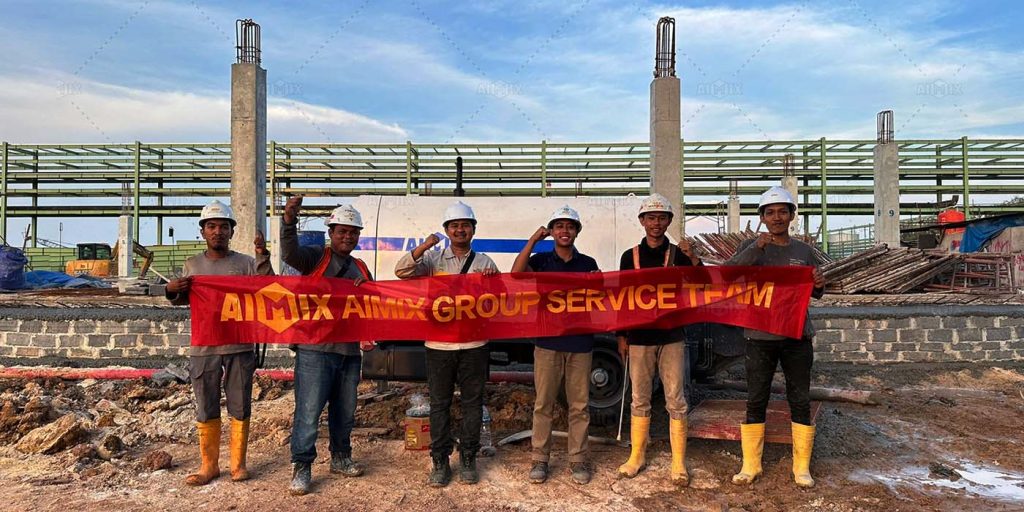
Water Conservancy And Energy Projects Need Reliable Pumping
Furthermore, many water-related projects involve difficult terrain and remote construction areas. Equipment reliability becomes critical under these conditions.
A 60 m³/h concrete pressure pump performs well in dams, irrigation channels, reservoirs, hydropower stations, and flood control projects. Since pipelines can extend over long distances, contractors gain greater flexibility when placing concrete in complex locations.
Reliable pumping also helps minimize interruptions during large structural pours.
Common Water Projects
• Small and medium dams
• Reservoirs
• Canal construction
• Water treatment plants
• Pump stations
• Flood control structures
How Much Concrete Can A 60 M³/H Trailer Pump Handle Per Day?
After reviewing suitable project types, the next question is usually about daily productivity. Actual output depends on concrete supply, pipeline length, site management, and working hours.
For example, if the pump operates efficiently for eight hours, theoretical production reaches approximately 480 m³. During a ten-hour shift, theoretical output increases to around 600 m³.
In real construction environments, actual productivity is typically lower because of pipeline cleaning, truck scheduling, equipment repositioning, and concrete supply interruptions. Even so, many contractors achieve daily outputs between 300 and 500 m³ under well-organized conditions.
How Do You Know If A 60 M³/H Trailer Pump Fits Your Project?
Rather than choosing equipment based only on maximum capacity, contractors should compare project requirements with actual construction conditions.
A 60 m³/h concrete trailer pump is usually an excellent choice if your project includes one or more of the following conditions:
It Is A Good Fit If You Need To:
• Pour 250–500 m³ of concrete per day
• Pump concrete over medium or long distances
• Complete projects within tight schedules
• Reduce labor costs
• Improve pouring consistency
• Support medium to large construction projects
• Work with a stationary concrete batching plant or ready-mix supplier
However, if your daily concrete demand remains below 100 m³, a smaller trailer pump may provide better investment efficiency. On the other hand, extremely large infrastructure projects exceeding 700–800 m³ per day may require higher-capacity pumping equipment or multiple pumps working together.
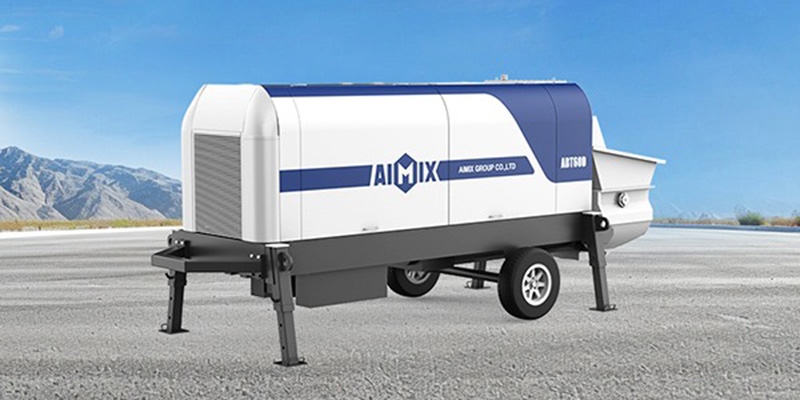
Why Many Contractors Choose A 60 M³/H Trailer Pump
Ultimately, contractors invest in equipment to improve productivity and increase profitability. A 60 m³/h concrete trailer pump offers an excellent combination of pumping capacity, flexibility, and operating efficiency.
It supports a wide range of construction projects, from residential buildings and commercial developments to industrial plants, bridges, highways, and water conservancy projects. Because it adapts to different site conditions, many contractors continue using the same pump across multiple projects, improving equipment utilization and return on investment.
Find The Right Concrete Pumping Solution For Your Next Project
Every construction project has unique requirements. Choosing the correct concrete trailer pump depends on daily concrete volume, pumping distance, building height, concrete mix, project schedule, and future business plans.
If you are planning a new residential development, commercial building, infrastructure project, or industrial facility, selecting the right pumping solution can improve efficiency from the first day of construction.
Our engineering team can help evaluate your project conditions, recommend the most suitable concrete trailer pump configuration, and provide a complete pumping solution that matches your productivity goals and budget. Contact us today for professional advice and a customized solution for your next concrete construction project.
No responses yet