
Government-funded road repairs in Java demand high efficiency, cost-effectiveness, and the ability to deliver quality asphalt mixes for long-lasting infrastructure. The choice of an asphalt plant can make or break a project’s success. But with various plant options available, how do you know which one is the best fit for these critical projects? In this article, we’ll explore what makes a TPH (Tons Per Hour) asphalt mixing plant ideal for such road repairs and how the right plant can help you achieve optimal results while adhering to budget constraints and project timelines.
Understanding the Importance of TPH for Asphalt Plants
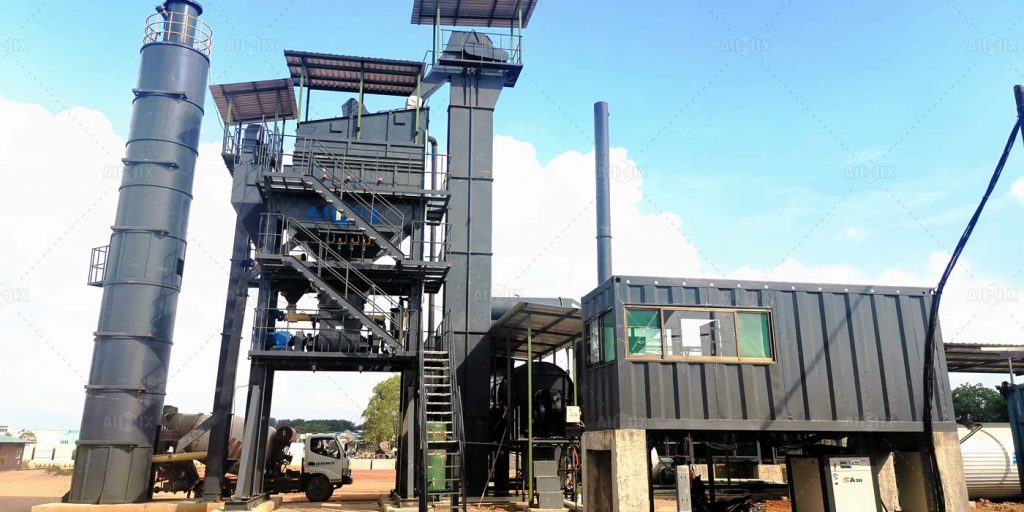
The TPH rating of a pabrik aspal hotmix is a critical factor that determines its production capacity. For large-scale government projects like road repairs in Java, a plant’s TPH rating ensures that it can meet the demands of high-volume paving. TPH, or tons per hour, refers to the plant’s output, which is crucial in deciding whether it can handle the volume of material needed in a timely manner. But is a higher TPH always better for road repairs? Let’s dive into what TPH means and how to select the best option based on your project’s needs.
Choosing the Right TPH Asphalt Plant for Road Repairs
For government-funded road repairs in Java, the ideal asphalt plant will depend on several key factors: the size of the road repair project, the location, the required mix type, and budget. Let’s break it down further.
Small to Medium-Scale Road Repairs
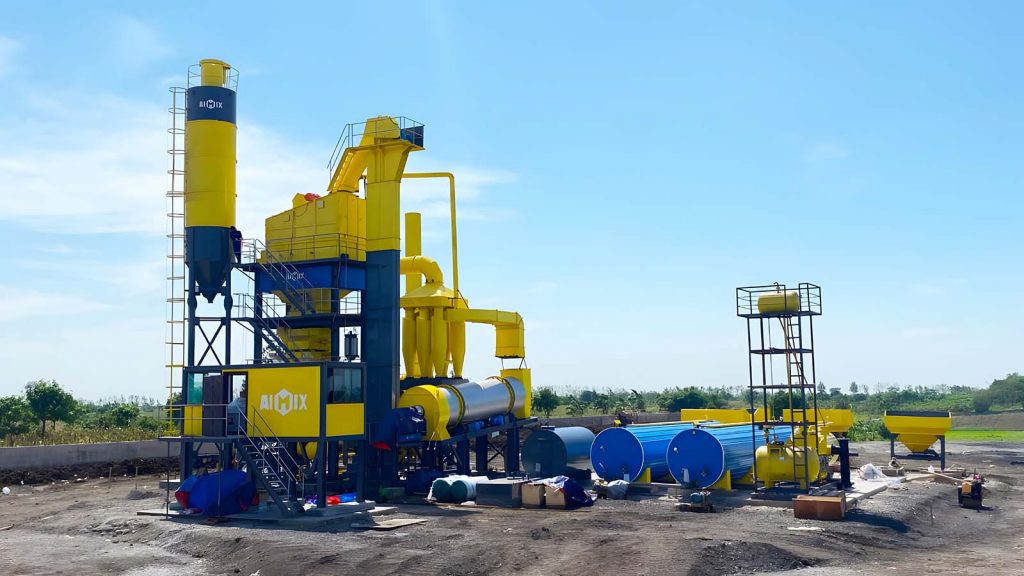
If the road repair project is smaller or covers a shorter stretch of road, a lower TPH asphalt plant, typically ranging from 40 TPH to 120 TPH, can offer sufficient capacity. These plants are ideal for urban roadworks or smaller repairs where large-scale production isn’t necessary. A plant with a 60-80 TPH rating strikes the perfect balance, providing enough material without excessive waste.
Large-Scale Road Repairs and High-Volume Projects
For larger, more extensive road repairs across major highways or urban arterial roads, you might need an asphalt plant with a higher TPH rating—ranging from 120 TPH to 250 TPH. This higher production capacity ensures that you can meet the high demand for asphalt mix, especially when working on extensive sections of road, or in situations where rapid delivery is critical to project timelines.
Key Considerations When Choosing a TPH Asphalt Plant for Government Projects
Now that we’ve covered the TPH range, it’s essential to consider other factors that influence the decision. Let’s explore how to balance production capacity with the other requirements of government-funded road repair projects.
Location and Accessibility
In Java, where road conditions and accessibility vary, choosing an asphalt plant that is adaptable and can be easily relocated can be a significant advantage. Mobile asphalt plants, often available with varying TPH capacities, provide flexibility. These plants can be set up closer to construction zones, reducing transportation costs and time.
Fuel Efficiency and Environmental Impact
Environmental regulations are a growing concern in Indonesia, especially for government projects. Asphalt plants with advanced fuel-efficient technologies and low-emission designs ensure compliance with environmental standards. Selecting a plant with a higher level of fuel efficiency also leads to cost savings in the long run.
Cost Efficiency
Government-funded projects have strict budget constraints, making cost efficiency a critical factor. While higher TPH plants may offer higher output, they may also come with a higher initial cost and operating expenses. Balancing the required capacity with a plant that offers the best value for money is essential. Some plants provide modular designs that allow for scalable production, meaning you can adjust the TPH output as the project grows or changes in scope.
The Role of Quality in Asphalt Plants
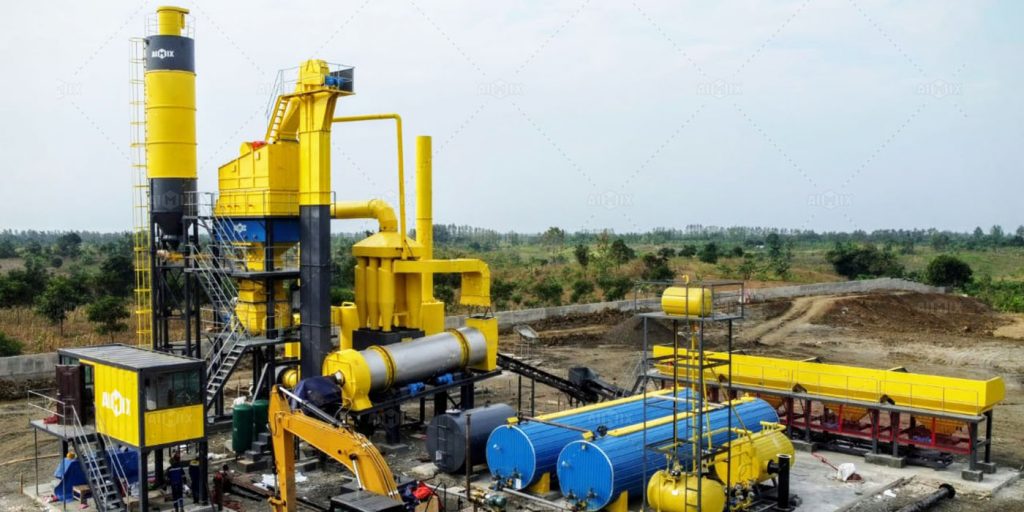
While TPH is essential, it is not the only measure of an asphalt plant’s suitability for road repairs. The quality of asphalt produced is crucial to ensuring the longevity and durability of the repaired roads. High-quality asphalt ensures that the roads can withstand heavy traffic, weather conditions, and time. Therefore, choosing a plant that produces consistent, high-quality mixes is as important as selecting the right TPH.
Consistency and Durability of Mixes
Plants with advanced control systems ensure that the asphalt mix’s quality remains consistent throughout the production process. This is especially important for large-scale projects where uniformity in the mix is critical for road stability. For government-funded road repairs, high-quality mixes directly contribute to reducing future maintenance costs and extending the road’s lifespan.
Why AIMIX Asphalt Plants Are a Great Choice for Government Projects in Java
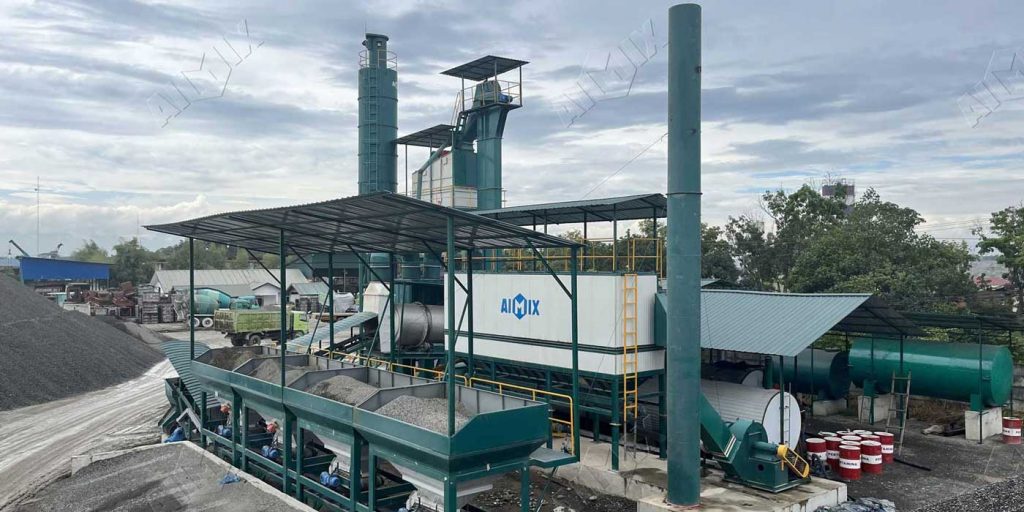
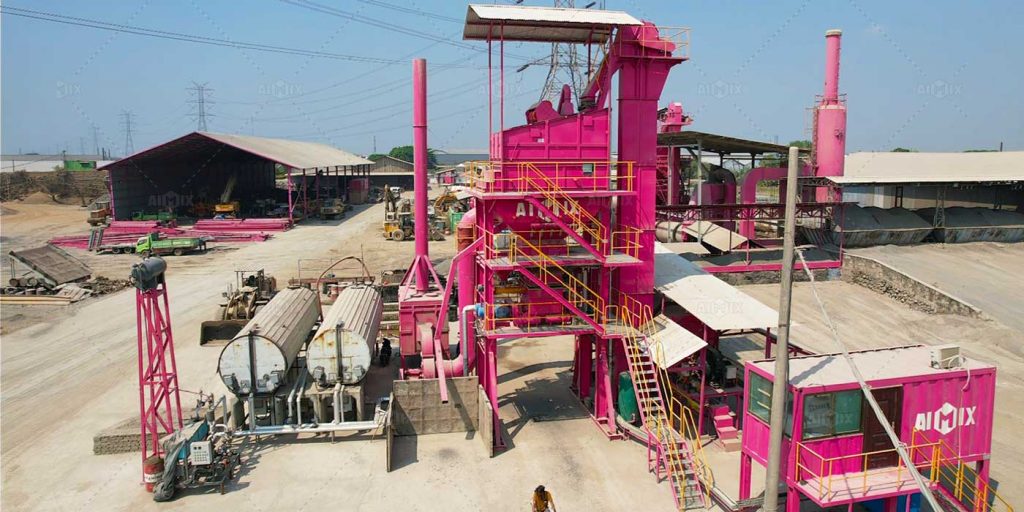
At AIMIX, we understand the needs of government-funded road repair projects in Java. Our asphalt plants come with a range of TPH options, from 40 TPH asphalt mixing plant mini perfect for localized urban repairs to larger 240 TPH plants that can handle expansive highway projects. With a focus on durability, fuel efficiency, and top-quality production, AIMIX’s asphalt plants are designed to provide exceptional value, ensuring your project runs smoothly from start to finish.
Furthermore, our asphalt plants feature state-of-the-art control systems that guarantee mix consistency and comply with Indonesia’s environmental regulations. Whether you need a stationary or mobile asphalt plant, AIMIX offers flexible solutions tailored to your project’s needs.
Conclusion: Choose the Right Asphalt Plant for Your Road Repair Project
Choosing the right TPH asphalt plant for government-funded road repairs in Java requires careful consideration of the project’s scale, location, environmental impact, and budget. Whether you need a plant with a lower or higher TPH capacity, AIMIX provides reliable solutions designed to meet these challenges. Our asphalt plants ensure that your road repair projects are completed efficiently, cost-effectively, and to the highest standards. Don’t let an unsuitable plant hinder your project’s success—invest in an AIMIX asphalt plant today and pave the way for better infrastructure in Java!
Contact us today to learn more about our asphalt plant offerings and get a tailored recommendation for your specific needs.
No responses yet