
Buying an asphalt plant is a major investment for any road contractor, construction company, or asphalt mix producer. The equipment itself is important, but experienced buyers know that the real value often lies in the support that comes after the purchase. Asphalt plants operate in demanding environments. They run for long hours, handle high temperatures, and support tight project schedules. Because of this, reliable after-sales service can directly influence project efficiency, plant lifespan, and long-term profitability.
Many buyers focus heavily on plant capacity, burner performance, or mixing accuracy during the purchasing stage. However, smart contractors also ask another critical question: What after-sales services are included when buying an amp aspal? A strong service package reduces operational risk, minimizes downtime, and ensures the plant performs at its full potential throughout its lifecycle.
In this article, we explain the key after-sales services that reputable asphalt plant manufacturers usually provide. More importantly, we look at these services from the contractor’s perspective and show why they matter for real road construction projects.
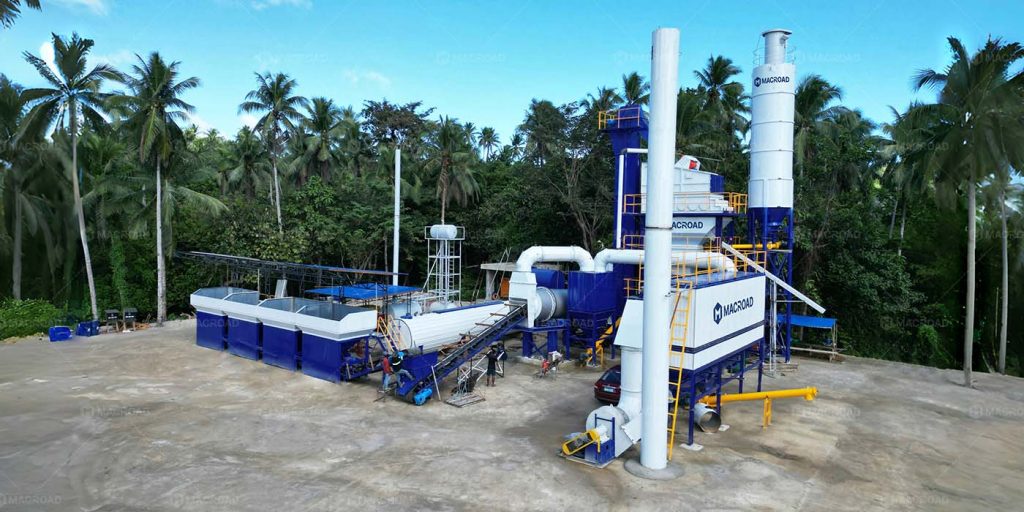
Why After-Sales Service Matters For Asphalt Plant Buyers
Before discussing specific services, it is important to understand why after-sales support plays such a critical role in asphalt plant operations.
Road construction projects often run on tight timelines. Delays can lead to penalties, increased labor costs, and damaged client relationships. If an asphalt plant stops working due to technical issues, the entire paving operation may halt immediately. Trucks wait, paving machines stop, and workers remain idle.
Therefore, reliable technical support becomes essential. A manufacturer that offers strong after-sales services helps contractors solve problems quickly and keep production stable. In other words, good support protects the contractor’s investment and reputation.
With this in mind, let us explore the most important after-sales services that professional asphalt plant suppliers typically include.
Installation And On-Site Commissioning Support
The first stage of after-sales service begins immediately after the asphalt hot mix plant arrives at the project site. Installation and commissioning support ensure the equipment starts correctly and operates safely from day one.
Professional Installation Guidance
Most asphalt plants involve complex structures and systems. They include cold aggregate feeders, drying drums, burners, dust collectors, elevators, mixing towers, and control systems. Proper installation requires both mechanical knowledge and engineering experience.
For this reason, many manufacturers send experienced engineers to guide the installation process. These engineers help the local team assemble the equipment correctly, align key components, and check structural stability.
As a result, contractors avoid installation mistakes that could lead to operational problems later.
System Testing And Commissioning
After installation, the next step involves commissioning. Engineers test each subsystem step by step. They check burners, calibrate weighing systems, test temperature control, and verify mixing accuracy.
Only after these tests does the plant begin trial production. During this phase, engineers adjust system parameters to ensure the plant produces asphalt mix that meets project specifications.
This process ensures the plant operates smoothly before full-scale production begins.
Once the plant is successfully commissioned, attention naturally shifts to the next key factor: ensuring the local team knows how to operate it effectively.
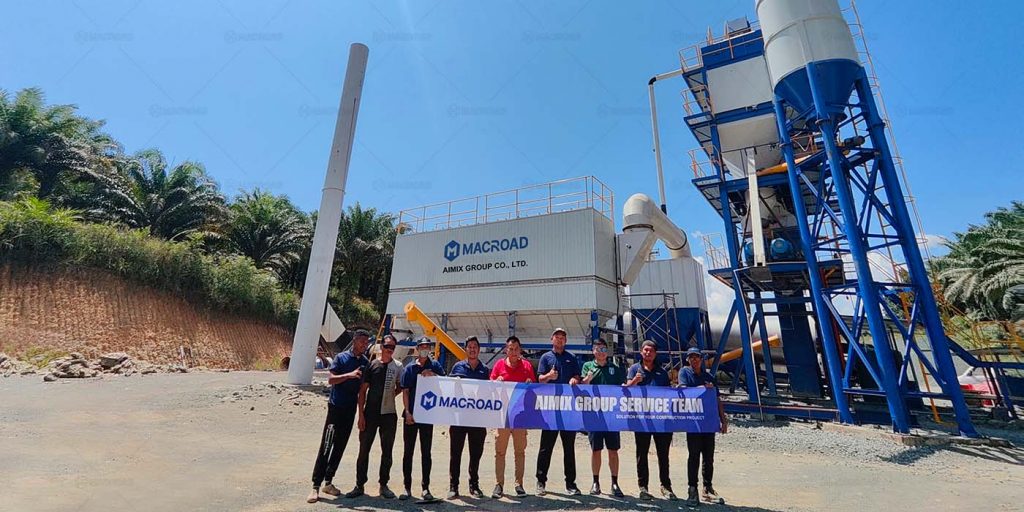
Operator Training And Technical Knowledge Transfer
Even the most advanced asphalt plant requires skilled operators. Without proper training, operators may struggle with system settings, maintenance routines, or troubleshooting.
Therefore, comprehensive operator training is one of the most valuable after-sales services manufacturers provide.
Equipment Operation Training
During training sessions, engineers teach operators how each system works. They explain the functions of feeders, dryers, mixers, burners, and dust collectors. Operators also learn how to adjust production parameters such as mixing time, aggregate ratios, and asphalt content.
This knowledge helps operators maintain stable mix quality and avoid production errors.
Daily Maintenance Guidance
Training also covers routine maintenance tasks. Operators learn how to inspect wear parts, clean filters, lubricate components, and monitor system performance.
When operators understand these tasks clearly, they can prevent small issues from becoming major breakdowns.
As the team becomes confident in daily operations, another type of support becomes important—technical assistance during real production challenges.
Remote Technical Support And Troubleshooting
Asphalt plants work in diverse environments. Some operate in tropical climates, others in mountainous regions or desert conditions. Because of this, unexpected technical issues may arise during operation.
This is where remote technical support becomes extremely valuable.
Fast Communication Channels
Reliable manufacturers provide multiple support channels such as phone, email, messaging apps, or service platforms. Contractors can contact engineers quickly when problems occur.
Fast communication allows engineers to diagnose issues without delay.
Remote Diagnosis And Guidance
Modern asphalt plants often include digital control systems. Engineers can analyze system data, alarm messages, and operational parameters remotely.
Based on this information, they guide the local team step by step to resolve the issue. In many cases, the plant returns to operation within a short time.
However, if a problem requires physical intervention, the next level of after-sales service becomes critical: spare parts support.
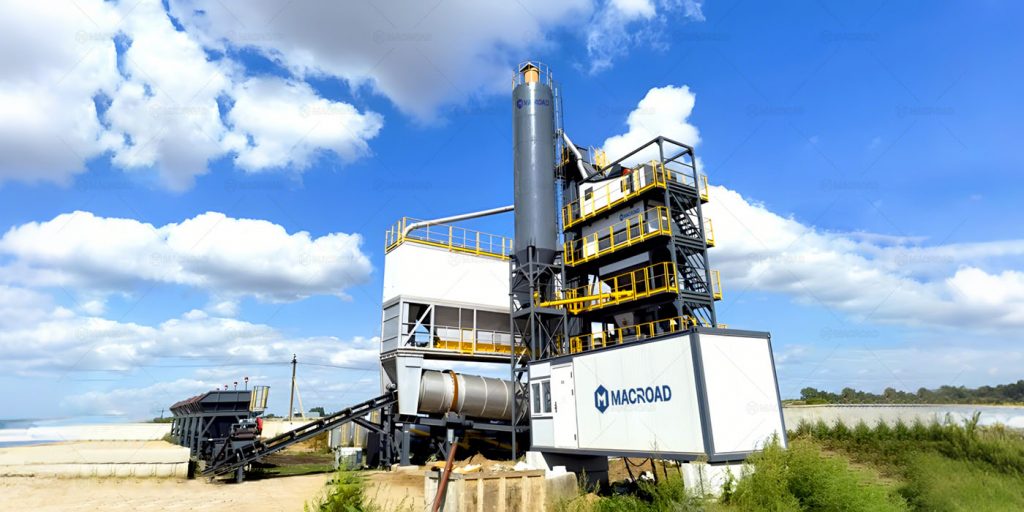
Spare Parts Supply And Maintenance Support
Asphalt plants operate under heavy loads and high temperatures. Over time, certain components naturally wear out. Timely replacement of these parts ensures stable plant performance.
Quick Spare Parts Availability
Reputable suppliers maintain spare parts inventories for key components such as mixer blades, liners, filters, sensors, and burner parts.
When a contractor needs replacements, the supplier can ship the parts quickly. This reduces downtime and keeps production schedules on track.
Maintenance Planning Support
In addition to supplying parts, manufacturers often help contractors plan preventive maintenance schedules. These schedules identify when certain parts should be inspected or replaced.
Preventive maintenance helps contractors avoid sudden failures during critical project periods.
While spare parts keep the plant running, long-term performance depends on another service: technical upgrades and optimization.
System Upgrades And Performance Optimization
Road construction technologies evolve quickly. Environmental regulations, fuel efficiency requirements, and mix design standards continue to change.
Because of this, some asphalt plant owners eventually upgrade their systems to stay competitive.
Control System Updates
Manufacturers sometimes provide software updates for plant control systems. These updates improve automation, data tracking, and production management.
Better control systems help contractors improve mix accuracy and production efficiency.
Energy Efficiency Improvements
Engineers may also suggest upgrades that reduce fuel consumption. For example, burner adjustments, insulation improvements, or dust collection optimizations can lower operating costs.
Over time, these improvements can significantly increase plant profitability.
However, the reliability of all these services ultimately depends on one key factor: the manufacturer’s long-term commitment to customer support.
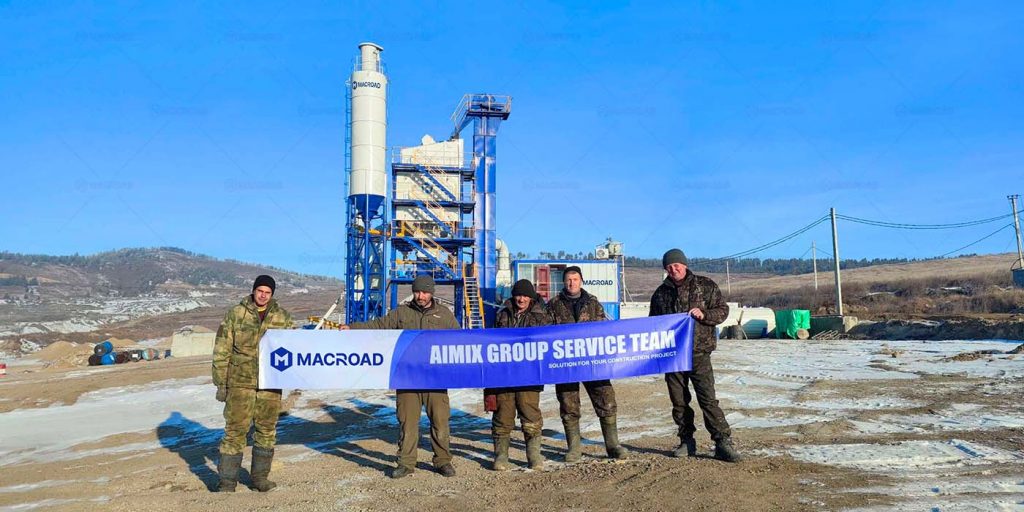
Long-Term Service Partnerships With Manufacturers
Experienced asphalt plant buyers often look for more than just equipment suppliers. They look for long-term partners who support their business growth.
Strong manufacturers build service networks, train regional technicians, and maintain spare parts warehouses in different markets. This infrastructure ensures customers receive fast support even years after purchase.
Moreover, long-term partnerships allow manufacturers to understand each customer’s production needs. As projects evolve, they can recommend upgrades, capacity adjustments, or new equipment solutions.
In this way, the relationship goes far beyond a simple equipment transaction.
What Smart Buyers Should Evaluate Before Choosing A Supplier
Given the importance of after-sales service, contractors should carefully evaluate suppliers before purchasing an asphalt plant.
Service Team Experience
Buyers should check whether the manufacturer has experienced engineers who specialize in asphalt plant systems.
Global Or Regional Service Coverage
Suppliers with international service networks usually respond faster to technical issues.
Spare Parts Availability
Reliable spare parts supply ensures that plants remain operational during peak construction seasons.
By evaluating these factors, contractors reduce operational risks and make more confident purchasing decisions.
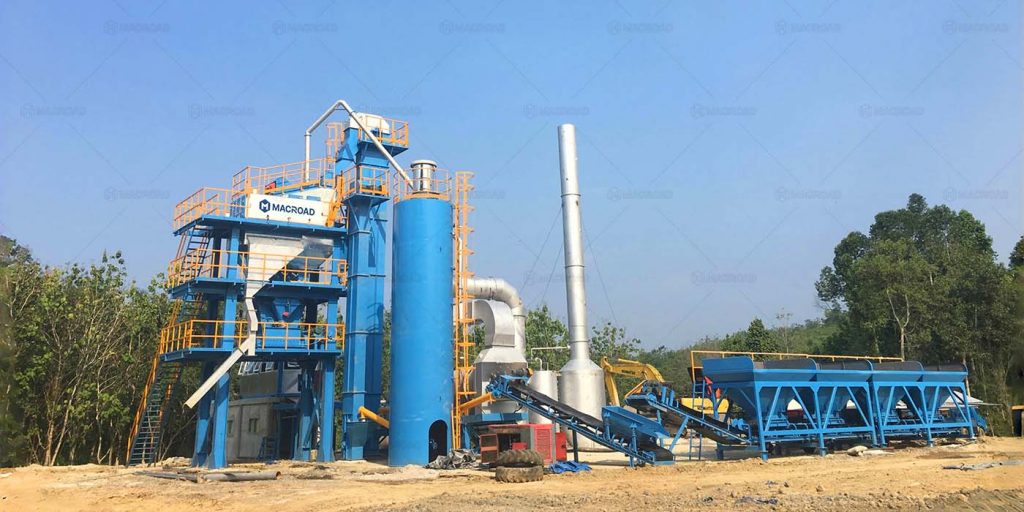
Start Your Asphalt Plant Project With Reliable Support
An asphalt plant is not just a machine. It is the core production system behind road construction projects. While plant design and production capacity are important, dependable after-sales service plays an equally critical role in long-term success.
Installation support, operator training, remote technical assistance, spare parts supply, and system upgrades all contribute to stable operations and efficient production. Together, these services help contractors complete projects on time and maintain consistent asphalt mix quality.
If you are planning to invest in an asphalt plant, choose a manufacturer that prioritizes customer support throughout the entire equipment lifecycle.
Contact the Macroad Indonesia today to learn more about our asphalt plant solutions and comprehensive after-sales service system. Our engineers are ready to help you select the right equipment and ensure your plant runs smoothly for years to come.
No responses yet