
A quarry project in South Sumatra often faces a very practical challenge: how to turn hard andesite into stable, high-quality 0–5mm fine aggregates at a consistent 300 TPH capacity. Because local infrastructure projects keep expanding, demand for manufactured sand continues to rise. Therefore, selecting the right crushing plant is not just a technical decision, but also a long-term investment decision that directly affects profit, production stability, and market competitiveness.
To make the right choice, we need to look at production flow, rock characteristics, and real site conditions. At the same time, we should connect equipment selection with actual construction demand in Indonesia, especially for road base, concrete production, and infrastructure development in South Sumatra.
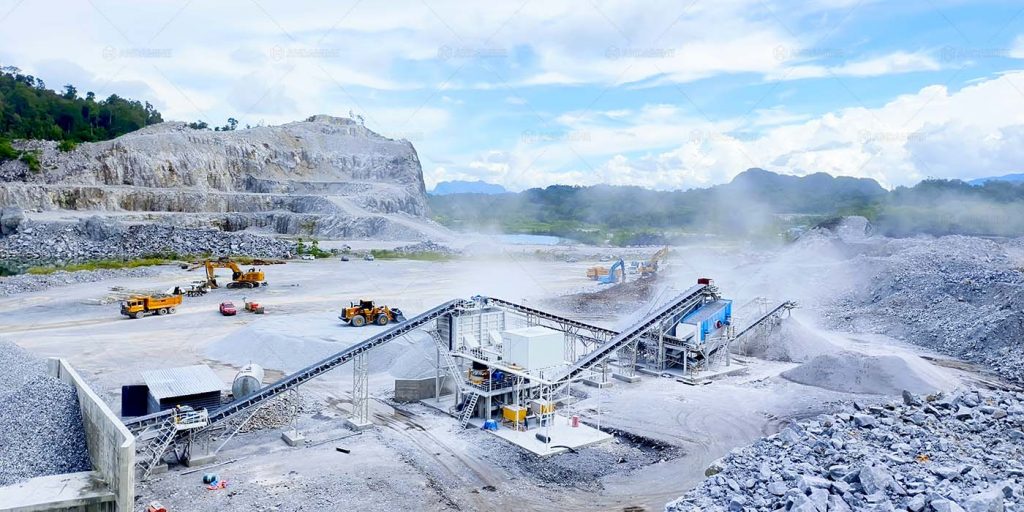
Quarry Requirements In South Sumatra For Andesite Processing
South Sumatra has abundant andesite resources, but this material is known for its high hardness and strong abrasion resistance. As a result, ordinary crushing setups often struggle to maintain stable output and consistent particle shape. In addition, most downstream buyers require well-graded 0–5mm aggregates for concrete and asphalt production.
However, demand is not only about size. It also involves shape, cleanliness, and gradation control. Therefore, a 300 TPH plant must not only crush efficiently, but also ensure high-quality sand production. This leads us naturally to the question of how the process flow should be designed for such requirements.
So, once we understand the raw material and market demand, the next step is to break down what a 300 TPH crushing plant actually means in practical production terms.
What A 300 TPH Crushing Plant Really Means In Practice
A 300 TPH crushing plant does not simply mean “high output.” Instead, it means a balanced system where each stage works continuously without bottlenecks. If one section slows down, the entire line loses efficiency.
Primary Crushing Stage
The process usually starts with a heavy-duty jaw crusher. It handles large andesite blocks and reduces them into manageable sizes. At this stage, stability matters more than precision. The goal is to maintain constant feeding to the next stage.
Secondary Crushing Stage
Next, a cone crusher takes over. This stage improves particle shape and reduces material size further. For hard rock like andesite, cone crushers perform better than impact crushers in terms of wear resistance and output stability.
Tertiary Shaping Stage
Finally, a VSI sand making machine refines the material into 0–5mm aggregates. This stage is critical because it directly determines sand quality, grading curve, and market acceptance.
Once the full process flow is clear, we can move further and look at how to design the most suitable plant configuration for andesite in South Sumatra.
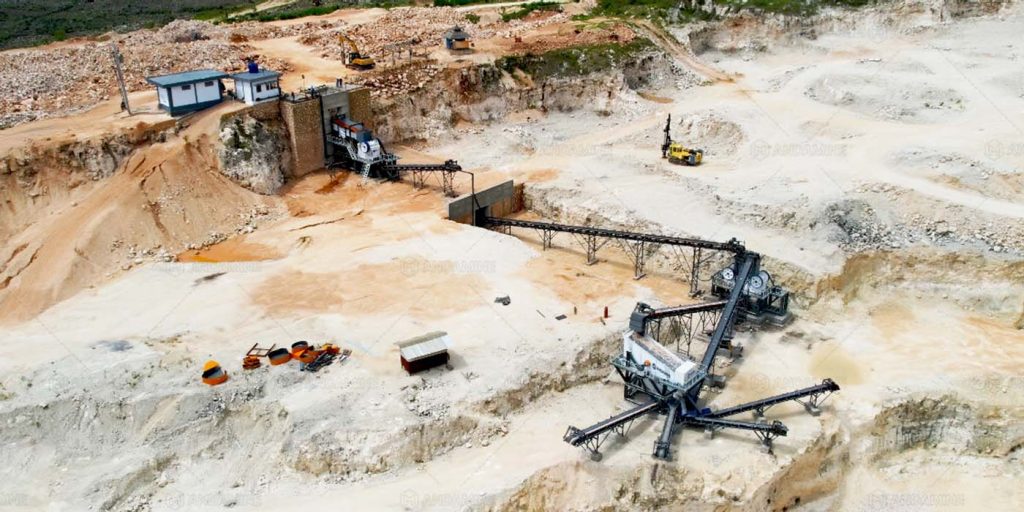
Recommended Plant Configuration For Andesite Crushing
To achieve stable 300 TPH output and high-quality 0–5mm aggregates, the configuration must combine efficiency and durability. At the same time, it should support continuous operation under tropical climate conditions like South Sumatra.
Feeding And Primary Crushing System
A vibrating feeder ensures stable material flow. Then, a jaw crusher handles large feed sizes efficiently. This combination prevents overload and improves overall plant stability.
Secondary Cone Crushing System
A hydraulic cone crusher plays a key role here. It ensures consistent reduction ratio and improves cubic shape. Moreover, it reduces downtime caused by wear, which is important for long-term quarry operations.
Sand Making And Screening System
A VSI crusher works together with multi-layer vibrating screens. This combination ensures that 0–5mm aggregates meet strict grading requirements. In addition, recirculation systems help improve fine sand ratio.
After defining the configuration, the next important decision is whether the project should use a mobile or stationary setup.
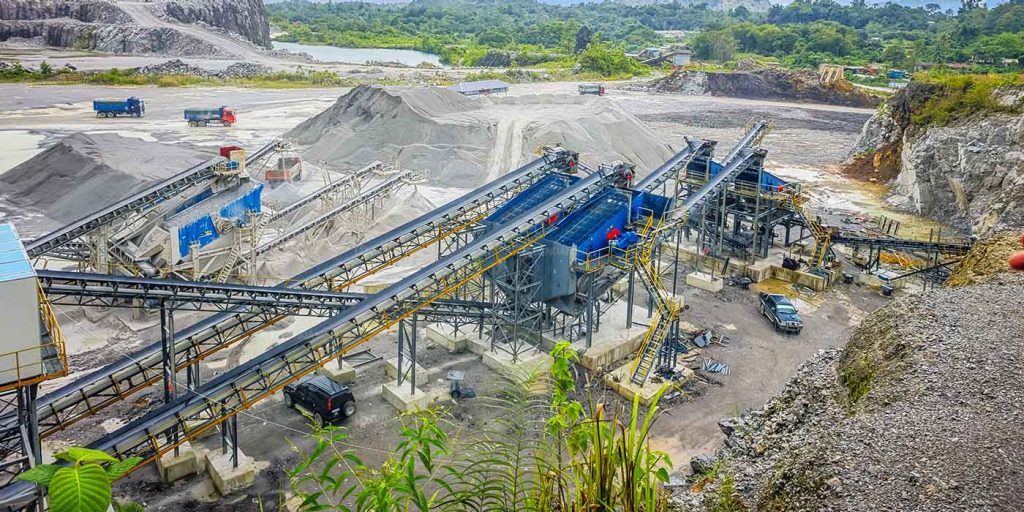
Mobile Vs Stationary 300 TPH Crushing Solutions
Both mobile and stationary solutions can achieve 300 TPH capacity. However, the choice depends heavily on quarry layout, investment strategy, and project duration.
Stationary Crushing Plant Advantages
A stationary plant offers higher stability and lower long-term cost. It works best for large quarry sites in South Sumatra with fixed mining zones. In addition, maintenance is easier because equipment remains in one place.
Mobile Crushing Plant Advantages
A mobile solution offers flexibility. It allows quick relocation across different quarry faces. This reduces material transportation distance and improves operational efficiency in fragmented mining areas.
Therefore, many quarry operators in Indonesia often choose a hybrid approach depending on expansion plans. After selecting plant type, the next focus becomes output quality control.
How To Achieve Stable 0-5mm Aggregate Production
Producing high-quality 0–5mm aggregates requires more than just crushing power. It requires control systems and fine tuning across the entire line.
Material Grading Control
Vibrating screens must be precisely calibrated. This ensures that oversize materials return to the crushing loop while qualified sand moves forward.
VSI Adjustment For Shape Optimization
The VSI rotor speed and feeding ratio directly influence particle shape. Proper adjustment improves cubic content and reduces flaky particles.
Closed Circuit Operation
A closed-loop system improves efficiency. It allows continuous recycling of unqualified materials until they meet specification standards.
Once quality control is optimized, we must also consider operating cost and long-term performance.
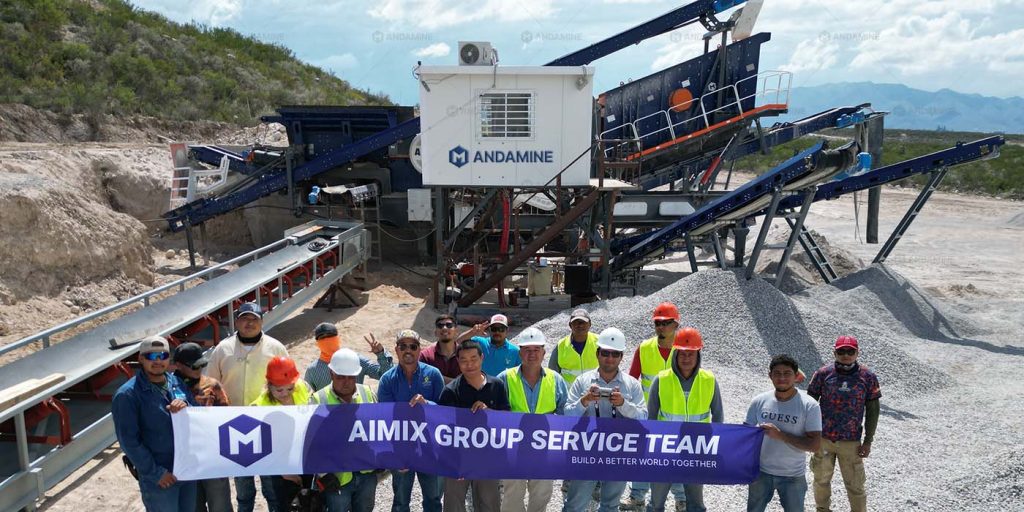
Operational Efficiency And Cost Control
In South Sumatra quarry projects, operational cost plays a major role in profitability. Fuel consumption, wear parts, and maintenance cycles all affect total cost per ton.
For example, andesite is highly abrasive. Therefore, wear parts such as jaw plates, cone liners, and VSI tips must be selected carefully. At the same time, automation systems can help reduce labor dependency and improve consistency.
In addition, proper dust control and conveyor design reduce material loss. This improves overall production efficiency while meeting environmental standards.
Finally, all these factors must be combined into a layout that fits real quarry conditions.
Why Layout Design Matters For South Sumatra Quarry Projects
Quarry sites in South Sumatra often face uneven terrain and limited access roads. Therefore, plant layout directly affects installation speed and long-term operation.
A well-designed layout reduces material handling distance. It also improves safety and reduces energy consumption. More importantly, it ensures smooth coordination between crushing, screening, and stockpiling systems.
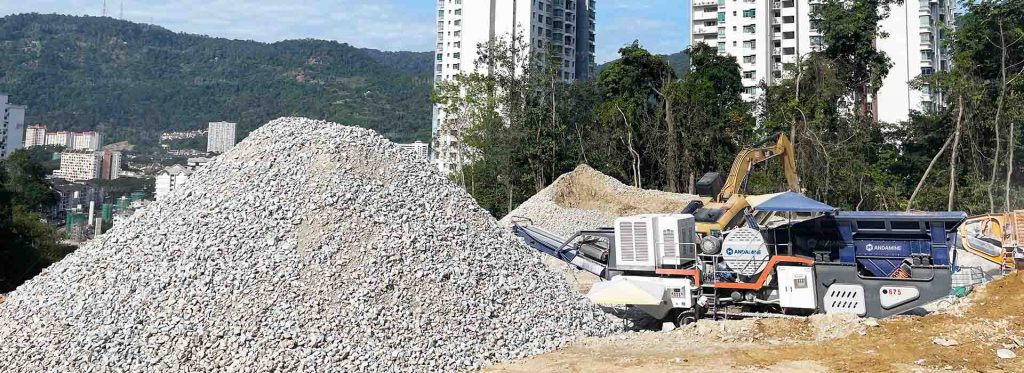
When the layout is optimized, the entire 300 TPH stone crusher machine plant becomes more stable and easier to manage, even under continuous production pressure.
Conclusion And Next Step
A 300 TPH crushing plant for andesite in South Sumatra must balance capacity, durability, and sand quality. The best solution usually includes jaw crushing, cone crushing, VSI shaping, and closed-circuit screening. However, the final configuration must always match site conditions and production targets.
If you are planning a quarry project and need to achieve stable 0–5mm aggregate production, then a customized plant design will help you reduce cost and improve long-term efficiency. The right solution is not just about equipment—it is about building a complete production system that supports your business growth.
Contact us to get a tailored 300 TPH custom crushing plant solution for your South Sumatra quarry project and start building a more profitable aggregate production line today.
No responses yet