
Road construction in Kalimantan, Indonesia, presents unique challenges. Remote locations, limited infrastructure, and difficult terrain make traditional asphalt production less practical. This raises a critical question for contractors and project planners: can a mobile asphalt plant for sale work efficiently in these conditions? In this article, we explore the benefits, considerations, and practical tips for using mobile asphalt plants in Kalimantan’s remote road projects, helping decision-makers choose the right solution.
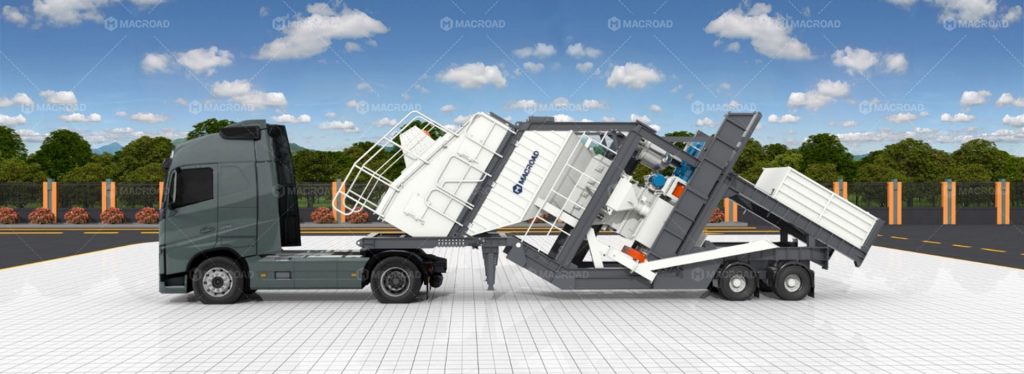
Understanding the Challenges of Remote Road Projects in Kalimantan
Kalimantan’s landscape is vast and often isolated. Dense forests, rivers, and uneven terrain create logistical difficulties for construction teams. Transporting large volumes of asphalt from central plants to remote sites can be costly and time-consuming. Delays can also occur due to poor road access, weather interruptions, and limited storage capacity at project sites.
For these reasons, contractors often face two major challenges: ensuring timely asphalt delivery and maintaining consistent quality. Mobile asphalt plants offer a potential solution, but their efficiency depends on several factors.
Distance and Accessibility
Remote projects in Kalimantan may be located hundreds of kilometers from the nearest asphalt batch plant. Transporting hot mix asphalt over long distances increases the risk of temperature loss, which can compromise pavement quality. Mobile asphalt plants, positioned near the project site, eliminate long-haul transportation. This reduces fuel costs, saves time, and ensures asphalt remains at the correct temperature for proper compaction.
Local Labor and Equipment Constraints
Contractors in Kalimantan often face limited access to skilled labor and heavy machinery. Mobile asphalt plants are designed for relatively quick assembly and operation, requiring fewer operators than traditional stationary plants. This means teams can mobilize quickly and start production without waiting for specialized personnel, which is particularly valuable in regions where construction expertise is scarce.
Key Advantages of Mobile Asphalt Plants for Kalimantan Projects
Understanding the advantages of mobile asphalt plants helps contractors make informed decisions. The pabrik aspal is not just portable—they are engineered to deliver high efficiency even in challenging conditions.
Flexibility and Mobility
Mobile asphalt plants can be relocated along different sections of a road project as needed. This flexibility allows construction teams to maintain continuous asphalt supply without setting up multiple stationary plants. It also reduces downtime caused by moving materials across long distances. For winding or segmented road projects in Kalimantan, this adaptability is a significant advantage.
Cost-Effectiveness
While mobile asphalt plants may have higher initial investment costs than traditional batch plants, they save money in the long run. Reduced transportation expenses, lower fuel consumption, and minimized labor costs contribute to overall cost efficiency. Additionally, contractors avoid the financial risks associated with delayed deliveries or asphalt cooling during transport.
Rapid Setup and Production
Mobile asphalt plants are designed for fast installation, often ready to produce asphalt within a few days. This quick setup is crucial for remote projects where logistical delays can be costly. Once operational, these plants can produce high-quality hot mix asphalt at rates comparable to stationary plants, ensuring construction schedules remain on track.
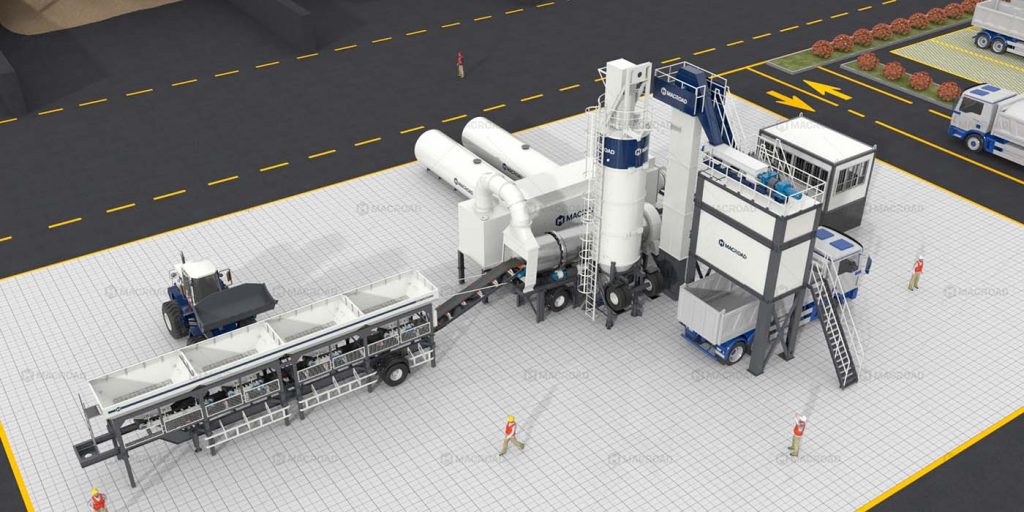
Considerations for Efficient Operation in Remote Areas
Although mobile asphalt plants offer clear benefits, their efficiency depends on careful planning and local considerations. Contractors should evaluate several critical factors before deployment.
Power Supply and Fuel Availability
Remote Kalimantan sites may have limited access to electricity or fuel. Mobile asphalt plants often rely on diesel generators, which require careful planning for fuel storage and supply. Contractors must ensure a reliable energy source to maintain consistent production without interruptions.
Material Storage and Transportation
Aggregates and bitumen need proper storage to prevent moisture contamination and temperature loss. Mobile plants can integrate storage silos and heated tanks, but contractors must plan material delivery schedules efficiently. Local sourcing of aggregates can reduce transportation costs and improve sustainability, but availability must be verified beforehand.
Environmental and Regulatory Compliance
Operating in forested and ecologically sensitive areas requires strict adherence to environmental regulations. Mobile asphalt plants are equipped with dust collectors and emission control systems, but contractors must obtain the necessary permits and implement proper waste management procedures to avoid legal issues.
Practical Tips for Optimizing Mobile Asphalt Plant Efficiency
To maximize the performance of mobile asphalt plants in Kalimantan, contractors can implement several best practices.
Pre-Project Planning
Careful site surveys and logistical planning are essential. Identify optimal plant locations, access routes, and storage areas before construction begins. This minimizes delays and ensures a smooth production flow.
Regular Maintenance and Quality Control
Pabrik aspal hotmix can require consistent maintenance to operate efficiently. Scheduled inspections, calibration of temperature controls, and monitoring of production quality help prevent downtime. Additionally, maintaining detailed production records ensures compliance with local standards and project specifications.
Team Training
Even though mobile plants require fewer operators, proper training is critical. Operators should understand plant mechanics, asphalt mixing processes, and safety protocols. Well-trained teams can respond quickly to unexpected issues and maintain high production efficiency.
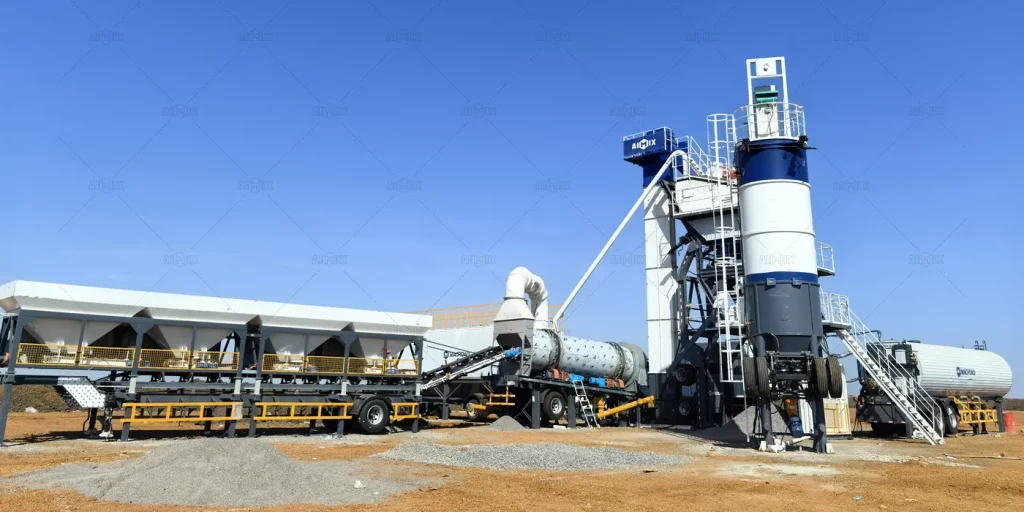
Case Examples: Mobile Asphalt Plants in Indonesian Road Projects
Several contractors have successfully deployed mobile asphalt plants in remote areas of Indonesia. For example, a road expansion project in East Kalimantan utilized a mobile 80 TPH asphalt plant. By positioning the plant close to the construction site, the team reduced transportation costs by 40% and maintained consistent asphalt temperature throughout the project. Such examples demonstrate the practical feasibility of mobile plants in challenging terrains.
Conclusion: Is a Mobile Asphalt Plant the Right Choice?
For remote Kalimantan road projects, mobile asphalt plants offer a practical and efficient solution. They reduce transportation challenges, improve production flexibility, and can be cost-effective when managed properly. By planning carefully, addressing local constraints, and implementing best practices, contractors can ensure consistent, high-quality asphalt production even in the most remote areas.
If your construction project in Kalimantan faces challenges with asphalt supply, consider a mobile asphalt plant. By investing in mobility, flexibility, and efficiency, you can save costs, maintain quality, and keep your project on schedule. Contact us today to explore mobile asphalt plant solutions tailored to your remote road construction needs.
No responses yet