
Island construction in Indonesia often faces one core problem: logistics. Materials do not always arrive on time, and transport routes are limited or expensive. Because of this, contractors increasingly look for flexible on-site concrete production solutions. A 3.5 m³ per batch best selling self loading concrete mixer becomes a strong candidate in such conditions. But the real question remains: can it truly handle island projects efficiently? Let’s break it down from a practical construction perspective.
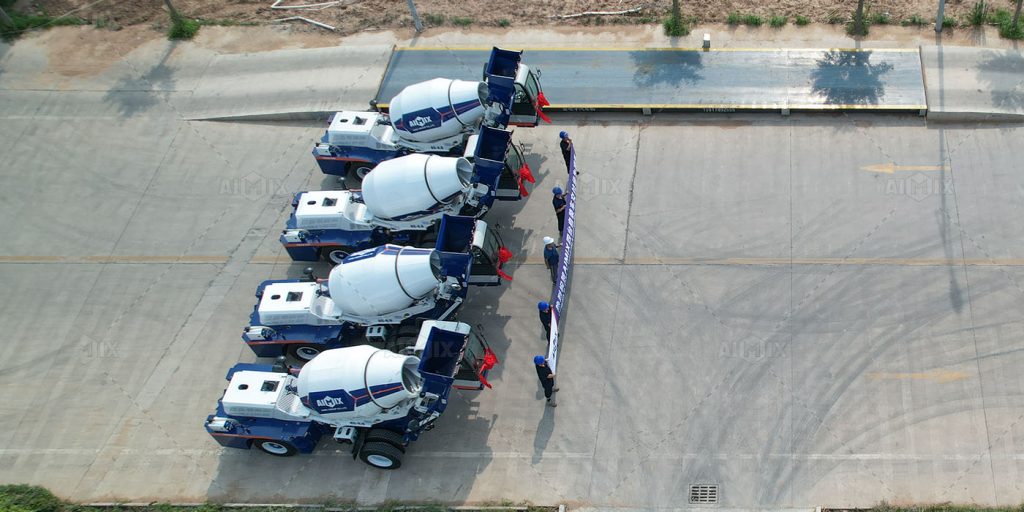
Island Construction Challenges In Indonesia
Island projects in Indonesia usually operate under strict constraints. First, barge transport increases cost and delays delivery schedules. Second, some islands lack stable batching plant infrastructure. Third, labor availability can fluctuate, especially in remote areas. As a result, contractors often struggle to maintain continuous concrete supply.
However, construction demand keeps growing. Ports, coastal roads, housing projects, and tourism infrastructure continue expanding across islands like Sulawesi, Maluku, and Nusa Tenggara. Therefore, project teams need equipment that adapts quickly and reduces dependency on centralized batching plants.
This is where mobile mixing solutions become critical. And the self loading concrete mixer directly addresses these pain points.
Why A 3.5 m³ Self Loading Concrete Mixer Fits Island Projects
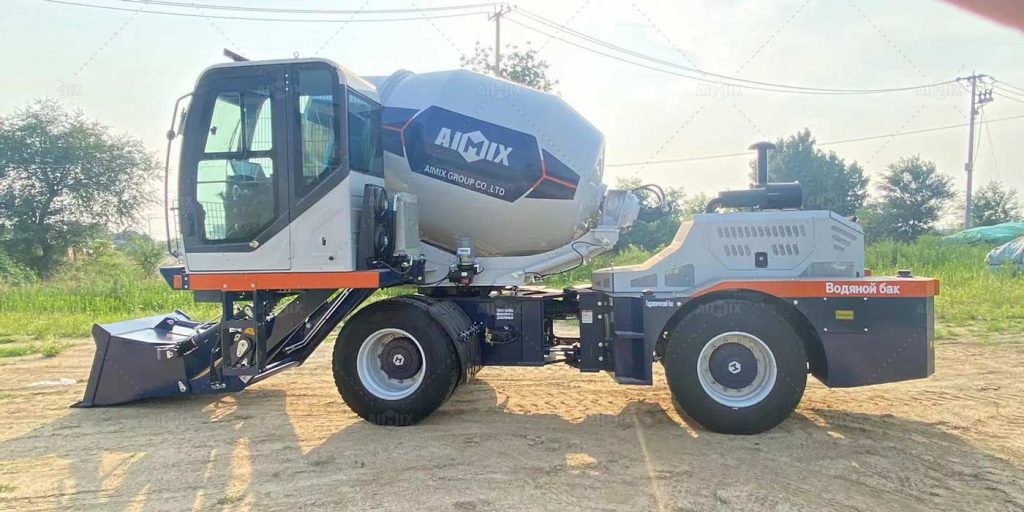
A 3.5 m³ per batch self loading concrete mixer integrates loading, weighing, mixing, and transport in one machine. This reduces the need for multiple equipment units. In island environments, this compact integration creates a major advantage.
Instead of waiting for ready-mix trucks or external batching plants, contractors can produce concrete directly on-site. This improves flexibility and reduces downtime caused by transport delays.
Moreover, the machine can operate on rough terrain. Many island job sites lack paved roads, but a self loading mixer can still move material effectively with its 4×4 drive system and compact turning radius.
Productivity Calculation In Real Conditions
To understand real performance, we need to look at output. A 3.5 m³ per batch mixer beton self loading typically completes one batch in about 15 minutes under normal working conditions.
That means:
3.5 m³ per batch × 4 batches per hour = 14 m³ per hour
This output level fits many small to medium island projects such as housing clusters, small bridges, and coastal infrastructure repairs. It also allows continuous work cycles without relying heavily on external supply chains.
Key Advantages In Island Construction Scenarios
Once we understand productivity, we can evaluate why this machine performs well in island environments. Several advantages stand out clearly when we analyze real construction workflows.
1. Reduced Dependency On Material Transport
Island logistics often slow down large projects. However, a self loading mixer eliminates the need for frequent ready-mix deliveries. Contractors can store aggregates locally and produce concrete as needed.
2. Strong Adaptability To Remote Terrain
Many Indonesian islands have uneven and undeveloped ground conditions. Because of its integrated chassis and 4WD system, the mixer can travel directly to the pouring point. This reduces manual handling and improves safety.
3. Faster Project Execution
Since mixing happens on-site, contractors avoid waiting time from batching plants. As a result, construction cycles become more stable and predictable. This helps project managers meet tight deadlines, especially in infrastructure development.
Limitations And Practical Considerations
Although the 3.5 m³ self loading mixer for sale offers strong benefits, it does not replace large-scale batching plants. Therefore, understanding its limitations is important for correct project planning.
First, it works best in small to medium volume projects. If daily demand exceeds 100–150 m³ continuously, a stationary batching plant becomes more efficient.
Second, material storage still matters. Even though the machine reduces transport dependency, contractors must still ensure steady aggregate and cement availability on-site.
Third, operator skill influences output. A trained operator can significantly improve batching accuracy and cycle efficiency.
Best Application Scenarios In Indonesian Islands
In real Indonesian construction environments, this equipment performs best in specific cases. Understanding these scenarios helps contractors make better investment decisions.
For example, it works very well in:
– Small island housing developments
– Coastal road repair projects
– Tourism infrastructure such as resorts and docks
– Bridge approach construction in remote areas
These projects require flexibility more than massive production capacity. Therefore, the 3.5 m³ self loading mixer becomes a practical and cost-efficient choice.
Selection Tips For Contractors
Before choosing this equipment, contractors should evaluate project scale, transport conditions, and daily concrete demand. If the project location limits material delivery, then mobility becomes the top priority.
In addition, contractors should consider fuel efficiency, drum rotation quality, and hydraulic system reliability. These factors directly impact long-term operational cost on island sites.
Finally, matching equipment capacity with project schedule ensures maximum efficiency. Over-sizing or under-sizing often leads to wasted cost or delayed progress.
Conclusion And Call To Action
A 3.5 m³ per batch self loading concrete mixer can effectively handle many island construction projects in Indonesia. It works especially well when logistics are limited and flexibility matters more than large-scale production.
With a practical output of around 14 m³ per hour, it supports steady construction progress even in remote island conditions. Therefore, for contractors who face transport restrictions, this machine offers a strong balance between mobility, efficiency, and independence.
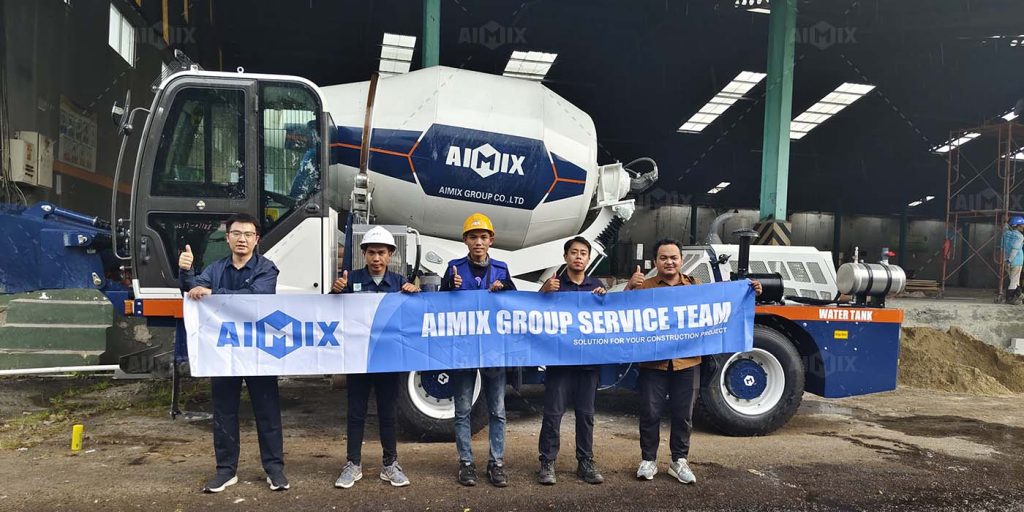
If your project requires reliable on-site concrete production in island or remote areas, now is the right time to consider a self loading solution. Contact our team to get a tailored recommendation based on your project scale and site conditions. We will help you choose the right configuration and maximize your construction efficiency from day one.
No responses yet