
When planning a housing construction project, one of the most common questions contractors ask is simple: can a compact and cost-effective solution like a 30 m³/h concrete mixer pump really meet steady monthly demand? Especially for projects targeting around 500 m³ per month, the answer depends on more than just theoretical capacity. It involves daily output, working hours, site conditions, and operational efficiency.
In this article, we break down the real performance of a 30 m³/h concrete mixer with pump from a contractor’s perspective. More importantly, we help you understand whether this equipment fits your project needs and how to maximize its value.
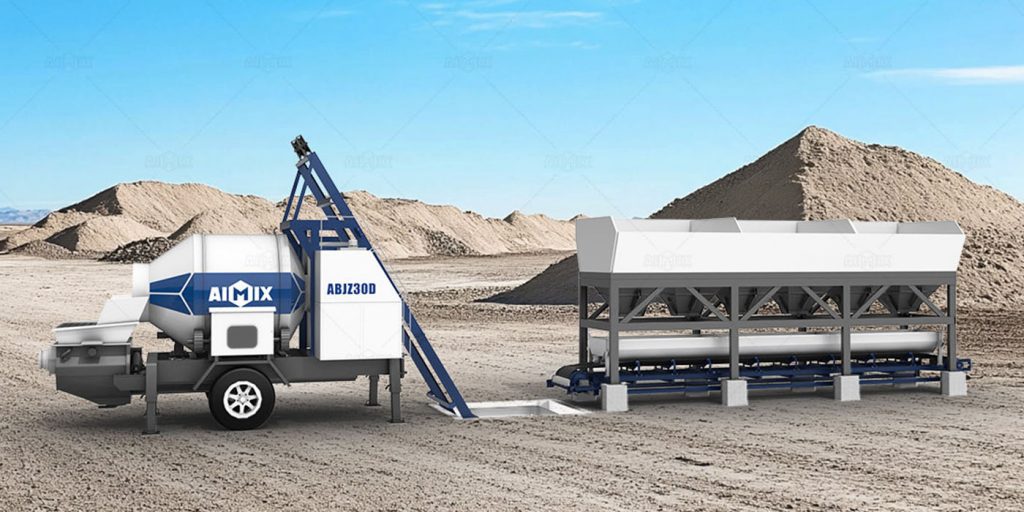
Understanding The Real Output Of A 30 M³/H Concrete Mixer Pump
At first glance, a 30 m³/h capacity seems more than enough for a 500 m³ monthly requirement. However, real-world performance often differs from theoretical values. Therefore, it is essential to look at actual working conditions.
In most construction sites, a 30 m³/h concrete mixer pump typically achieves 20–25 m³/h in continuous operation. This reduction happens due to factors such as material supply delays, operator efficiency, and pipeline setup.
Now, let’s break it down:
Daily Output Estimation
If the machine runs for 6–8 hours per day at an average of 22 m³/h, the daily output will be:
22 m³/h × 7 hours = 154 m³/day
Even with conservative estimates, the machine can easily produce over 120 m³ per day under stable conditions.
Monthly Output Calculation
Assuming 20 working days per month:
120 m³/day × 20 days = 2,400 m³/month
Clearly, this exceeds the required 500 m³/month by a large margin. Therefore, from a pure capacity perspective, the answer is yes—it can easily support the demand.
However, capacity alone does not tell the whole story. Next, we need to consider how this translates into actual project efficiency.
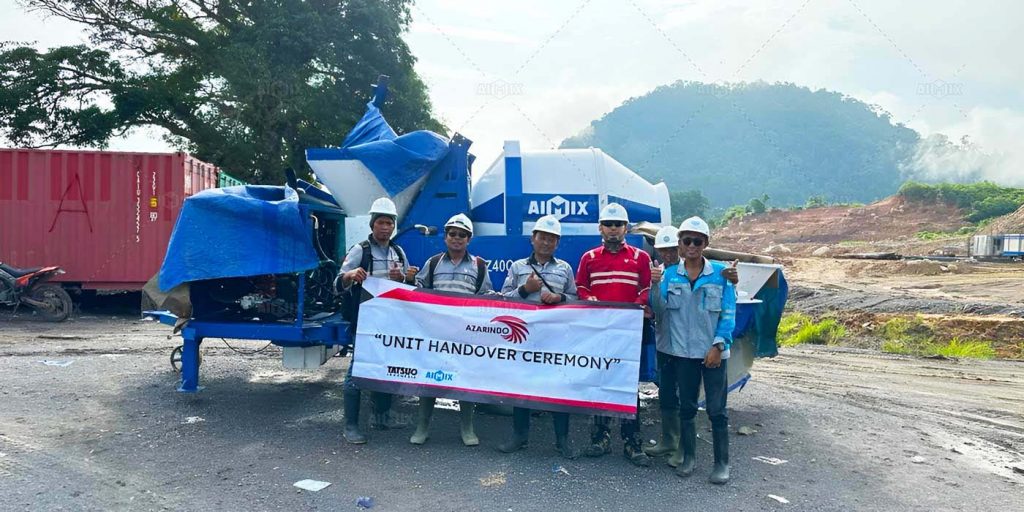
Matching Equipment To Housing Construction Needs
While the numbers look promising, housing projects often involve intermittent pouring rather than continuous production. This changes how equipment is used on-site.
So, how does a 30 m³/h mesin pompa beton perform in this context?
Flexible Pouring Schedule
Unlike large batching plants, a mixer pump allows on-demand concrete production. This means you can produce exactly what you need, when you need it. As a result, you reduce material waste and avoid delays caused by external supply.
Ideal For Small To Medium Housing Projects
For residential construction, especially low-rise buildings or scattered housing units, daily concrete demand is usually between 20–80 m³. In this case, a 30 m³/h mixer pump fits perfectly. It avoids overcapacity while still ensuring smooth progress.
More importantly, it supports multiple small pours in one day, which is common in housing construction.
However, efficiency also depends on site conditions. Let’s explore that next.
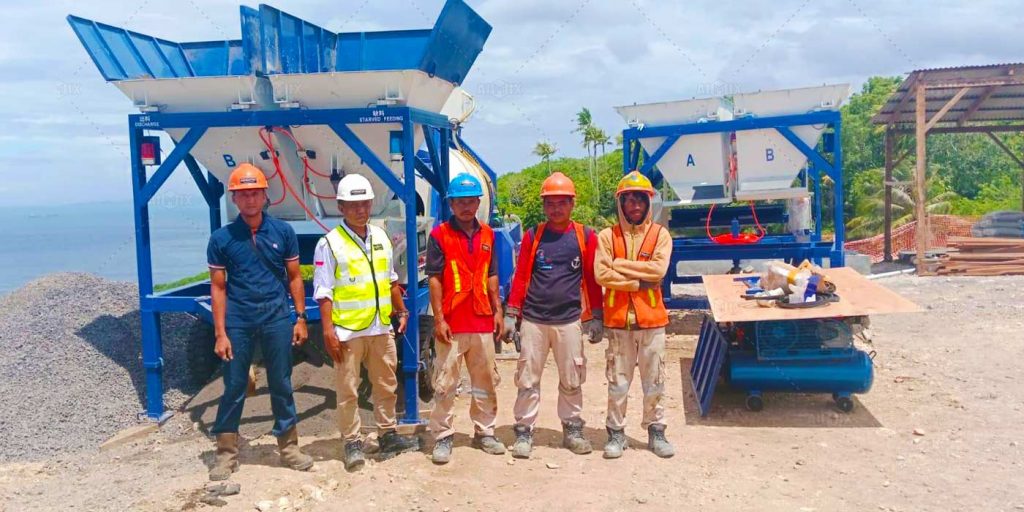
Key Factors That Affect Actual Performance
Even with sufficient capacity, several on-site factors can influence whether the equipment truly meets your expectations. Therefore, understanding these variables helps you make better decisions.
Raw Material Supply
Continuous operation requires stable aggregate, cement, and water supply. If materials arrive late or inconsistently, the pump cannot reach its full capacity. Therefore, proper planning of material logistics is essential.
Operator Skill Level
An experienced operator can significantly improve efficiency. For example, they can optimize mixing time, reduce blockages, and ensure smooth pumping. On the other hand, inexperienced operation often leads to downtime.
Pipeline Layout And Distance
The longer and more complex the pipeline, the more pressure the pump needs to maintain flow. As a result, output may decrease slightly in challenging layouts. However, for most housing sites, distances remain manageable.
Given these factors, the machine still offers strong reliability. Now, let’s look at its economic advantages.
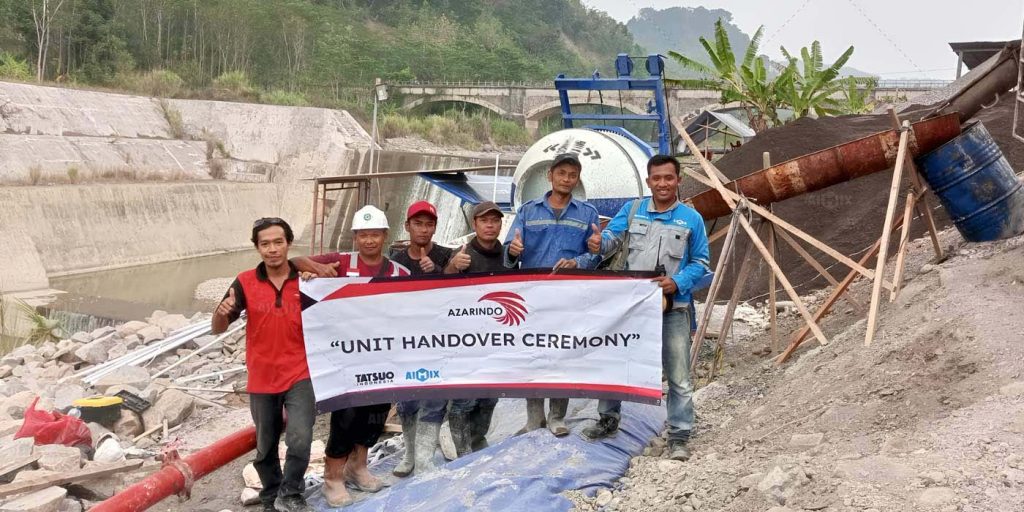
Cost Efficiency Compared To Alternative Solutions
For many contractors, the decision is not just about capacity—it is about cost. So, how does a 30 m³/h jual pompa beton mini compare with other options?
Vs Ready-Mix Concrete Supply
Ready-mix concrete works well in urban areas. However, it often comes with high transportation costs and scheduling constraints. In contrast, a mixer pump allows on-site production, which reduces dependency and saves money.
Vs Batching Plant + Pump Combination
A full batching plant setup offers high output but requires significant investment, space, and manpower. For a project needing only 500 m³ per month, this setup often leads to underutilization.
On the other hand, a mixer pump combines mixing and pumping in one unit. Therefore, it reduces equipment cost, labor cost, and site complexity.
As a result, it becomes a practical and economical choice for small to medium projects.
When A 30 M³/H Mixer Pump Is The Right Choice
Based on the analysis above, this equipment works best in specific scenarios. Let’s summarize them clearly.
Suitable Project Conditions
– Monthly demand around 300–1,500 m³
– Low-rise or mid-rise housing projects
– Sites with limited space
– Projects requiring flexible pouring schedules
When You May Need A Larger Solution
If your project requires continuous pouring of over 100 m³ per day or involves high-rise buildings, you may need a larger pump or batching plant system. In such cases, efficiency becomes more critical than flexibility.
Nevertheless, for a 500 m³ monthly target, a 30 m³/h mixer pump offers more than enough capacity with added flexibility.
Conclusion: A Smart And Scalable Solution For Housing Projects
So, can a 30 m³/h concrete mixer pump support a 500 m³ monthly housing construction demand? The answer is not just yes—it exceeds expectations. With proper planning and operation, it can deliver multiple times the required volume while maintaining efficiency and cost control.
More importantly, it gives contractors flexibility, independence, and better control over project timelines. These advantages matter even more in today’s competitive construction environment.
If you are planning a housing project and want a reliable, cost-effective, and easy-to-manage solution, a 30 m³/h concrete mixer pump is worth serious consideration.
Looking for the right configuration for your project? Contact us today to get a tailored solution based on your site conditions, project scale, and budget. Let’s help you build faster, smarter, and more efficiently.
No responses yet