
Indonesia has become one of the world’s largest nickel producers. As global demand for electric vehicles, stainless steel, and battery materials continues to grow, many mining companies are expanding nickel mining projects across Sulawesi, Halmahera, and other resource-rich regions. Therefore, efficient crushing plant equipment now can play a critical role in keeping mining operations productive and profitable.
However, many investors and contractors still ask an important question: what crusher plant capacity is actually needed for Indonesian nickel mining projects? The answer depends on several factors, including mine output, ore hardness, transportation distance, production targets, and downstream processing requirements.
Choosing the wrong crusher capacity can increase operating costs, create production bottlenecks, and reduce overall project efficiency. On the other hand, selecting the right crushing solution helps mining companies improve material handling, reduce downtime, and achieve stable daily output.
In this article, we will explore how to select the right crusher plant capacity for Indonesian nickel mining projects and what factors mining companies should consider before investing.
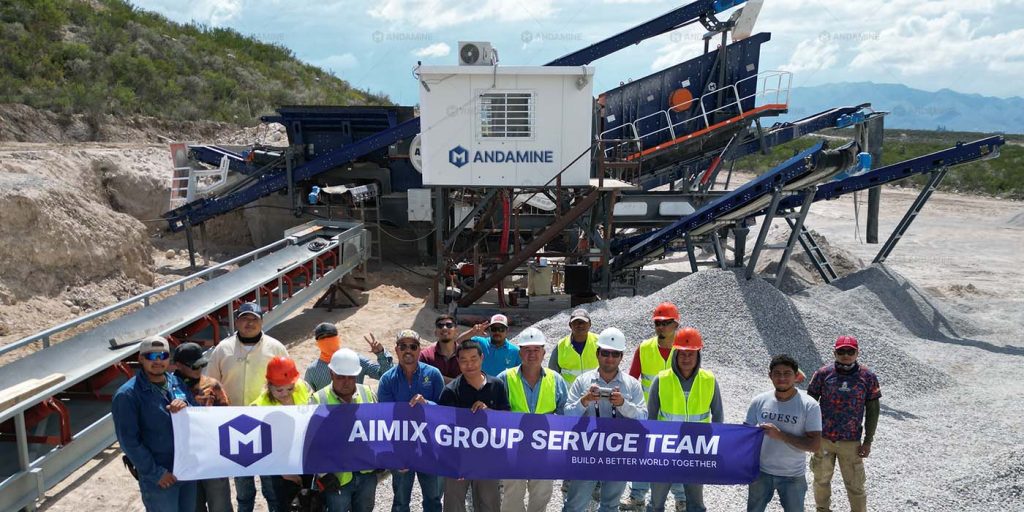
Why Crusher Plant Capacity Matters In Nickel Mining
Before selecting equipment, mining companies first need to understand why crusher capacity directly affects project profitability.
Nickel mining projects usually operate continuously. Large volumes of raw ore move from the mining area to the crushing system every day. If the crusher plant cannot keep up with mining production, stockpiles quickly increase. As a result, transportation efficiency drops and operational costs rise.
At the same time, oversized crusher plants may create unnecessary investment pressure. Many contractors spend more money than needed on equipment, fuel consumption, and maintenance.
Therefore, matching crusher plant capacity with actual mining demand is extremely important.
Typical Production Targets In Indonesian Nickel Mines
Different nickel mining projects require different crushing capacities. Small and medium mining operations may process 50-200 tons per hour. Meanwhile, large-scale mining projects often require 300-800 tons per hour or even higher.
For example:
50-100 TPH crusher plants usually support small mining contractors or pilot projects.
150-300 TPH crusher plants commonly serve medium-scale nickel ore production lines.
400-800 TPH crushing systems often support large export-oriented mining projects or smelter supply chains.
Consequently, production goals should always guide equipment selection.
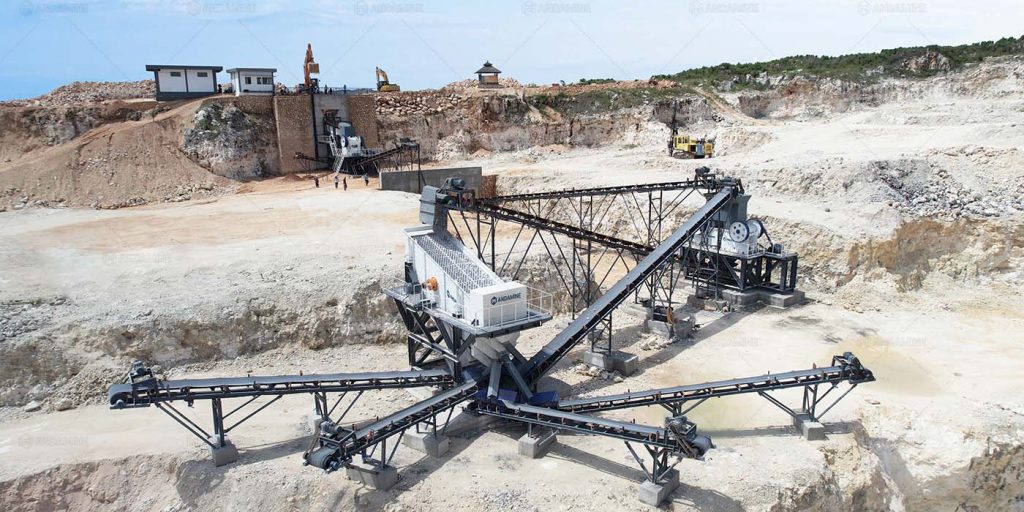
Key Factors That Determine Crusher Plant Capacity
Now that we understand the importance of capacity selection, let us examine the main factors that influence crusher plant sizing in Indonesian nickel mining projects.
Daily Ore Production Volume
First, mining companies must calculate daily ore output. This is the foundation of crusher plant selection.
For instance, if a mine plans to produce 5,000 tons of nickel ore per day and operates for 10 hours daily, the crushing system should handle at least 500 tons per hour.
Additionally, companies should include reserve capacity for peak production periods. This helps prevent bottlenecks during high-demand seasons.
Ore Hardness And Material Characteristics
Nickel ore in Indonesia often contains laterite materials. However, ore hardness can vary significantly between mining regions.
Some materials contain high moisture levels during the rainy season. Wet and sticky ore can reduce crushing efficiency and block screening systems.
Therefore, mining companies should choose crusher types and capacities according to local ore conditions.
For high-moisture ore, many projects use:
Jaw crushers for primary crushing
Cone crushers for secondary crushing
Heavy-duty vibrating feeders
Large-capacity vibrating screens
This combination improves material flow and reduces blockage risks.
Finished Material Size Requirements
Next, contractors should evaluate the required output size.
Some nickel mining projects only need coarse crushing before transportation. In that case, a simpler crushing line may work well.
However, projects supplying nickel smelters often require more uniform material sizes. As a result, they may need multi-stage crushing systems with higher total capacity.
Smaller discharge sizes usually require additional crushing stages, which can affect final throughput.
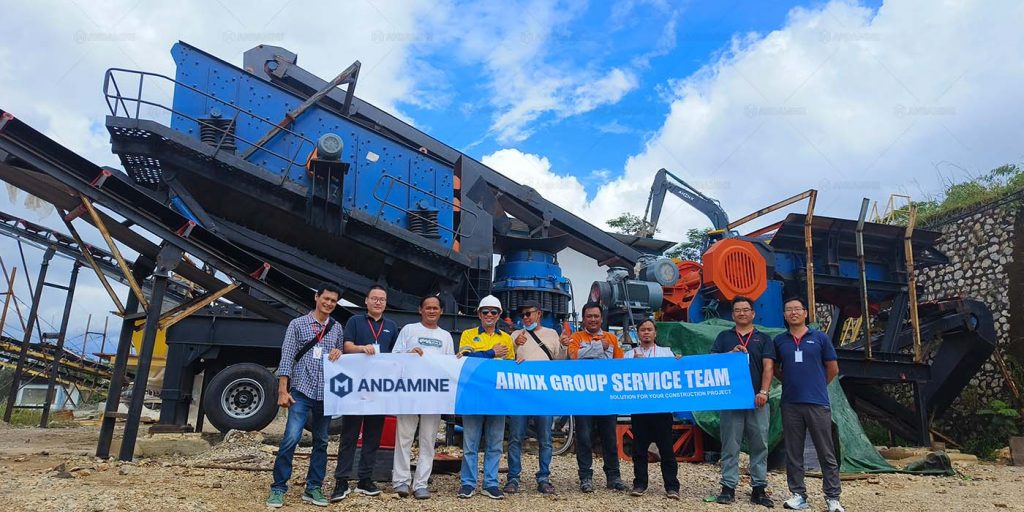
Common Crusher Plant Configurations For Indonesian Nickel Projects
After understanding capacity factors, mining investors can better evaluate suitable crushing configurations.
100-200 TPH Crusher Plant
This capacity range suits:
Small mining sites
Trial production projects
Remote island operations
Short-term nickel extraction projects
A typical configuration may include:
Jaw crusher
Vibrating feeder
Conveyor system
Simple screening equipment
This setup offers lower investment costs and easier transportation. Therefore, many smaller contractors prefer this solution during the early project stage.
300-500 TPH Crusher Plant
This capacity range has become increasingly popular in Indonesia because many medium and large nickel mines fall into this category.
These systems usually include:
Primary jaw crusher
Secondary cone crusher
Multi-layer vibrating screen
Stockpile conveyor system
Dust suppression equipment
Moreover, this configuration balances productivity, operating cost, and maintenance efficiency.
Many contractors also choose semi-mobile crusher plants in this range because they can relocate equipment more easily as mining areas expand.
600-800 TPH And Above
Large-scale integrated mining and smelting projects often require very high crushing capacities.
These projects usually operate continuously and supply massive ore volumes to downstream processing facilities.
As a result, they require:
Heavy-duty crushers
Automated control systems
Large stockyard management systems
Multiple conveyor lines
Intelligent monitoring technology
Although initial investment is higher, these systems improve long-term production stability and reduce labor costs.
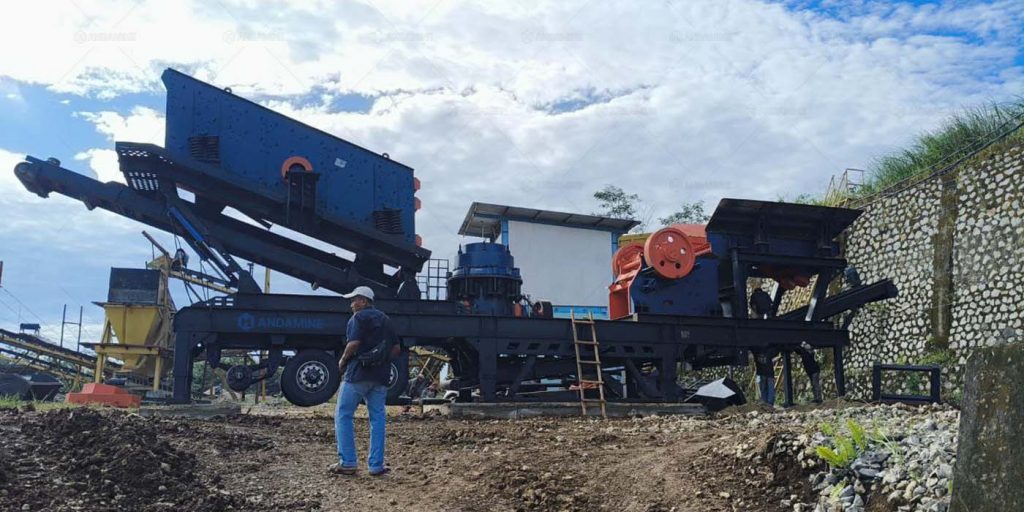
Why Mobile Crusher Plants Are Becoming Popular In Indonesia
Besides capacity, mobility has also become an important consideration for mining companies.
Many Indonesian nickel mines operate in mountainous or remote areas. Building fixed crushing stations in these locations often increases infrastructure costs.
Therefore, mobile and semi-mobile crusher plants are becoming more attractive.
Advantages Of Mobile Crusher Plants
Mobile crushing plant for sale offers several benefits:
Faster installation
Lower civil construction costs
Flexible relocation
Reduced transportation distance
Better adaptability to changing mining zones
Additionally, mobile systems help contractors shorten project startup time, which is extremely important for fast-moving mining operations.
How To Avoid Choosing The Wrong Crusher Capacity
Although many crusher models are available on the market, not every solution fits Indonesian nickel mining conditions.
Therefore, mining companies should avoid making decisions based only on equipment price.
Common Mistakes During Crusher Selection
Some contractors underestimate future production expansion. Consequently, their crusher plants quickly become insufficient.
Others purchase oversized equipment without considering fuel consumption and maintenance costs.
In addition, some projects ignore rainy season conditions. High moisture laterite ore may seriously reduce crushing efficiency if the system design is unsuitable.
Therefore, professional project analysis remains essential before equipment investment.
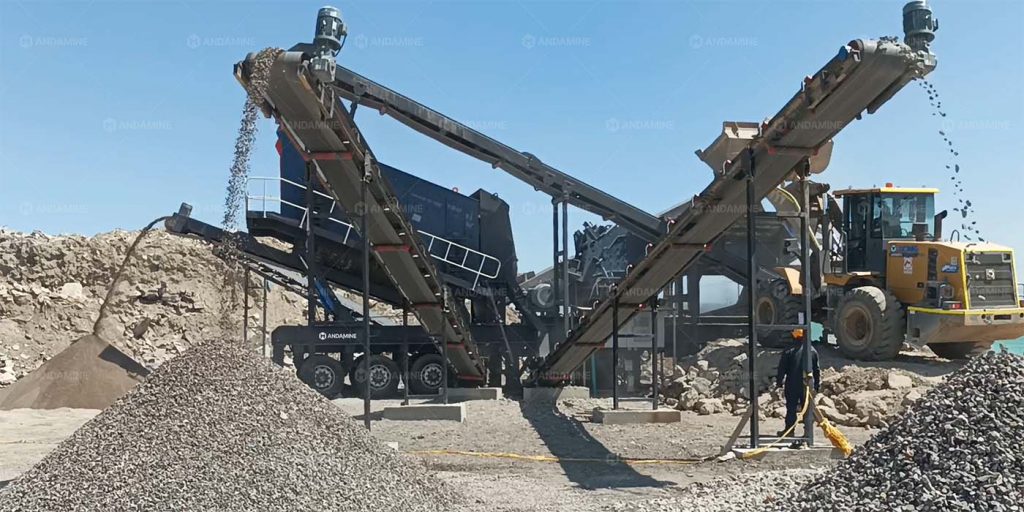
How A Customized Crushing Solution Improves Mining Efficiency
Every nickel mining project has unique requirements. Ore characteristics, mining methods, transportation systems, and production targets all vary from site to site.
Because of this, customized crusher plant solutions often deliver better long-term results than standard equipment packages.
An experienced supplier can help mining companies:
Analyze production targets
Design suitable crushing flows
Calculate equipment capacity
Optimize operating efficiency
Reduce downtime risks
Improve return on investment
Furthermore, reliable after-sales support helps mining projects maintain stable operations over many years.
Choose The Right Crusher Plant For Your Indonesian Nickel Project
Indonesia’s nickel mining industry continues to expand rapidly. Consequently, demand for efficient and reliable crushing equipment will continue to grow in the coming years.
However, selecting the right crusher plant capacity requires more than simply choosing the largest machine available. Mining companies must carefully evaluate ore volume, material characteristics, project scale, mobility requirements, and long-term production goals.
Whether you need a compact 100 TPH mobile crusher or a large 800 TPH crushing system for continuous mining operations, the right solution can significantly improve productivity and reduce operational costs.
If you are planning a nickel mining project in Indonesia, now is the ideal time to consult with an experienced crushing equipment supplier. A customized crushing plant solution can help your project achieve higher efficiency, stronger profitability, and more stable long-term performance.
No responses yet